The Rising Cost of Water in Charleston
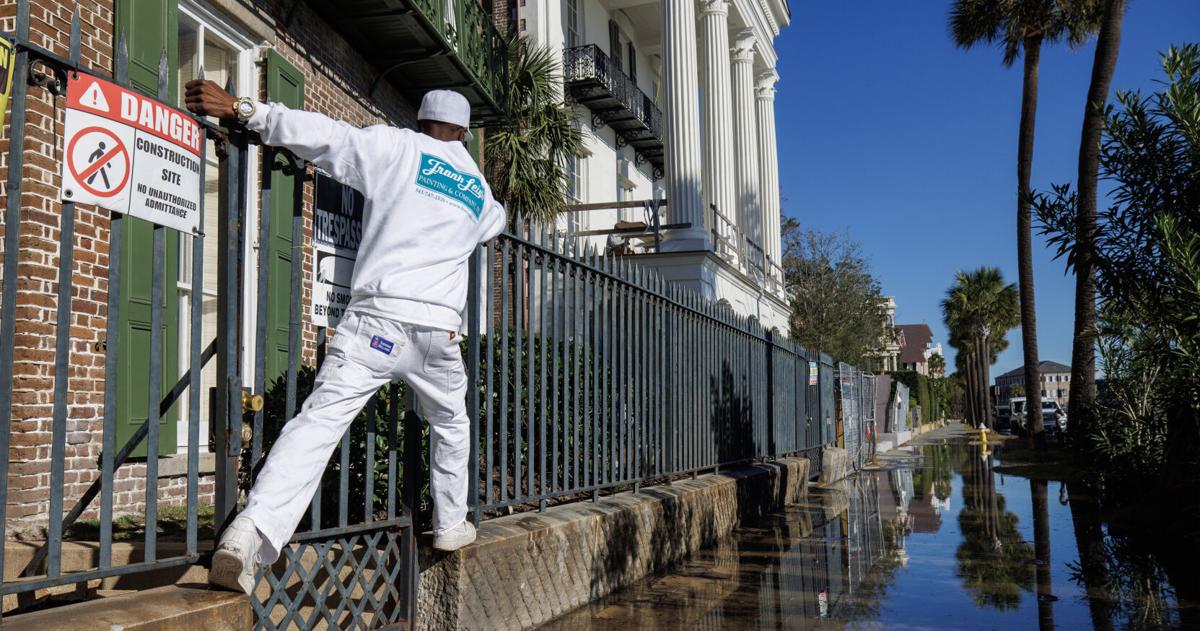
Many residents of the Holy City generally agree on two things: It is getting expensive to live here, and it floods a lot. Those two concerns have more in common than one might think.
Charleston has seen its annual number of tidal floods increase dramatically over the past few decades. Records show a sharp climb from zero tidal flood events in 1925 to 52 such events in 2025. Meanwhile, the city’s cost of living and housing costs have climbed significantly since before the COVID-19 pandemic. Today, it sits at about $425,000.
Balancing Housing Supply and Flood-Prone Land
Addressing both problems has left local leaders with a tricky dilemma.
In West Ashley’s Shadowmoss neighborhood, the city partnered with the Federal Emergency Management Agency to buy out more than three dozen often-flooded homes. It has also priced out lower-income residents who, in some cases, have called Charleston home for their whole lives.
It is the first such overhaul of that plan since the 1960s. Instead, city leaders want to center future construction on high-ground corridors across Charleston.
The Pressures Driving Up Rents and Home Prices
This surge is at least partially due to a population boom, with South Carolina ranking as the fastest-growing state in the nation last year.
Low housing supply plus a booming population equals higher prices. Residents new and old compete for shrinking space. Yet the Holy City is not unique in this struggle.
“If you’re a growing American city, you have this problem,” Cogswell said.
“Housing affordability is a critical issue for homebuyers as well as renters. And, at least on the coasts, sea level rise is adding onto whatever preexisting coastal flood hazard exposure these coastal areas were already dealing with.”
Steve Koller
Even so, Charleston is peppered with entitled developments. These grandfathered agreements, in some cases inked years ago, create perpetual difficulties for long-term planning. While Charleston can establish guardrails on developments to limit their size and scope through stormwater regulations, an entitled developer in possession of a binding agreement can proceed according to the original plan even when circumstances change. The city has no choice but to go along, as a denial would likely spur a lawsuit.
Infrastructure Projects and the Transportation Tax Vote

City leaders are attempting to address that threat through both the zoning code rewrite and a bevy of new infrastructure projects, ranging from floodwater-capturing parks to new pump stations across town. Many of those projects depend on the city’s proposed Battery Extension. That project would wrap a protective barrier wall around much of Charleston’s peninsula to shield the city from hurricane storm surges.
The zoning code overhaul is more than a year behind schedule.
Zoning Challenges on Johns Island
The Land Trust and Sea Islands Habitat for Humanity recently partnered on the 102-acre Humbert Woods project, pairing five affordable housing units with a 97-acre nature preserve.
Worth a look

Philadelphia region embraces Halloween’s Celtic roots – WHYY
Celtic Roots Step Into Philadelphia’s Street Fest Scene “There’s folk stories. There’s pseudo-history stories. There’s medieval tales. There’s...

Current Challenges and Future Directions in US Maintenance Dialysis Care – PubMed
A Decade of Stagnation in Outpatient Dialysis Outpatient dialysis care for patients managing End-Stage Kidney Disease has remained...
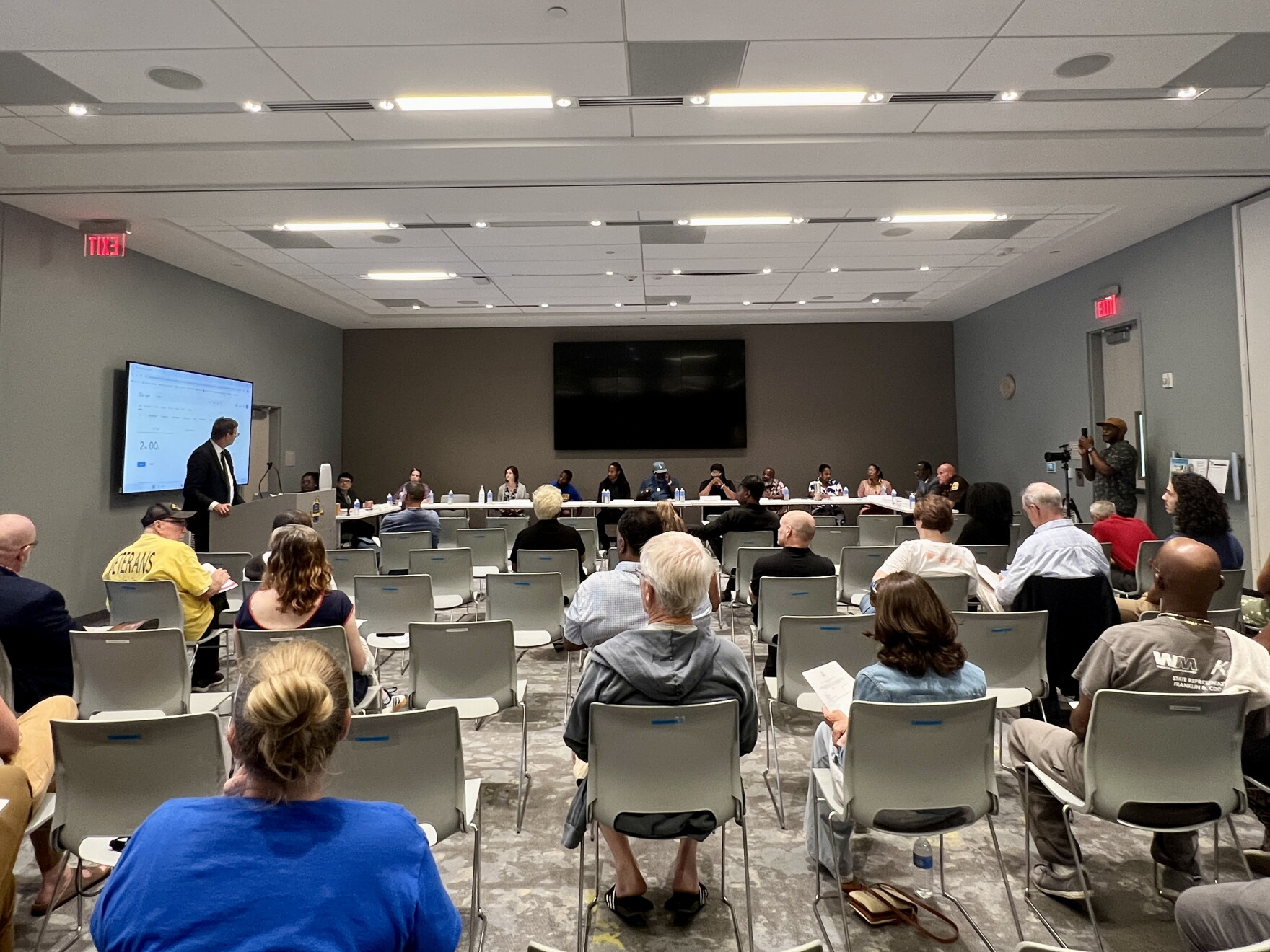
Community Board for Police Accountability November 4, 2026, Hybrid Meeting
Portland Prepares Hybrid Oversight Session as Transition Updates Continue Portland residents will have another opportunity to engage directly...

Instant Recap: Oklahoma State Falls to Iowa State 51-49 on the Road | Pistols Firing
Oklahoma State Falls to Iowa State 51-49 in a Halloween Thriller in Ames No. 24 Oklahoma State dropped...