
The governing board of the Cancer Prevention and Research Institute of Texas approved 76 grants totaling more than $148 million on Wednesday, a single-day infusion aimed at everything from pancreatic tumors to pediatric malignancies.
It is the largest funding action of 2026 for CPRIT, the state agency created by the Legislature and ratified by voters in 2007. In 2019, Texans doubled down, approving an additional $3 billion that brought the state’s total commitment to $6 billion. Since inception, the institute has steered more than $4 billion to Texas institutions, recruited 370 distinguished researchers, and delivered 13 million prevention services across all 254 counties.
“The awards funded today reflect the extraordinary innovation taking place across Texas,” said Kristen Doyle, CPRIT’s chief executive officer. “These investments support researchers, clinicians, entrepreneurs, and community leaders who are helping shape the future of cancer care and bringing new hope to Texans and Texas families.”
Roughly $9 million of the new money goes straight to talent acquisition. The University of Texas Southwestern Medical Center landed two major recruitment grants — $4 million for Daniel Kim and $3 million for Nadya Dimitrova — while M.D. Anderson Cancer Center secured $2 million to bring Ray Pillai to Houston.
Another slice funds 12 biotechnology companies pushing next-generation therapies, diagnostics, imaging tools, and surgical devices toward commercialization.
The research portfolio reads like a greatest-hits list of modern oncology’s hardest problems. Grants target next-generation immunotherapies, cancer vaccines, and cellular therapies designed to crack treatment resistance in pancreatic, ovarian, lung, liver, colorectal, kidney, breast, and pediatric cancers.
But a striking thread runs through several awards: survival isn’t the only metric. One project uses advanced imaging and artificial intelligence to map language centers in glioma patients’ brains before surgery, aiming to preserve speech. Another helps surgeons steer clear of nerves during cancer operations. A third focuses on preventing chemotherapy-induced heart damage in children.
Early detection got a heavy lift. Researchers are building AI-powered predictive tools, minimally invasive diagnostics, and novel biomarker tests to spot cancer sooner and tailor treatment. Perhaps the most urgent thread addresses early-onset colorectal cancer, one of the fastest-rising malignancies in adults under 50. Funded projects will hunt for detection strategies and investigate the drivers behind the spike in younger populations — a trend that has baffled epidemiologists for years.
Prevention grants tackle the social and biological roots of disease. Programs will expand colorectal, cervical, and lung cancer screenings, boost HBV and HPV vaccination rates, and strengthen tobacco cessation. But the most intriguing investments sit at the intersection of metabolism and malignancy.
Several projects dissect the obesity-cancer axis. One examines how sugar-sweetened beverages may accelerate colorectal cancer progression via the gut microbiome. Another probes biological mechanisms linking obesity to aggressive prostate cancer. A third takes a “Food is Medicine” approach, delivering nutritious meals and education directly to underserved Texans — a pragmatic test of whether dietary intervention can move the needle on cancer risk.
Wednesday’s meeting also surfaced a persistent structural challenge. The Geographic Diversity Advisory Committee updated the board on efforts to push research capacity and clinical trial access beyond the major metros — Houston, Dallas, San Antonio, Austin. CPRIT’s prevention grantees also unveiled the Texas Lone Star Cervical Cancer Elimination Plan, a statewide push to increase screening, shrink disparities, and eliminate cervical cancer as a public health threat.
The FY 2028 program priorities were approved, setting the compass for the next cycle. Video of the full meeting will be posted at the agency’s meeting archive.

LPL Financial Closes Axial Deal at High-Teens EBITDA Multiple
LPL Financial closed its purchase of a $2.7 billion Commonwealth team on Friday as the platform conversion began,...
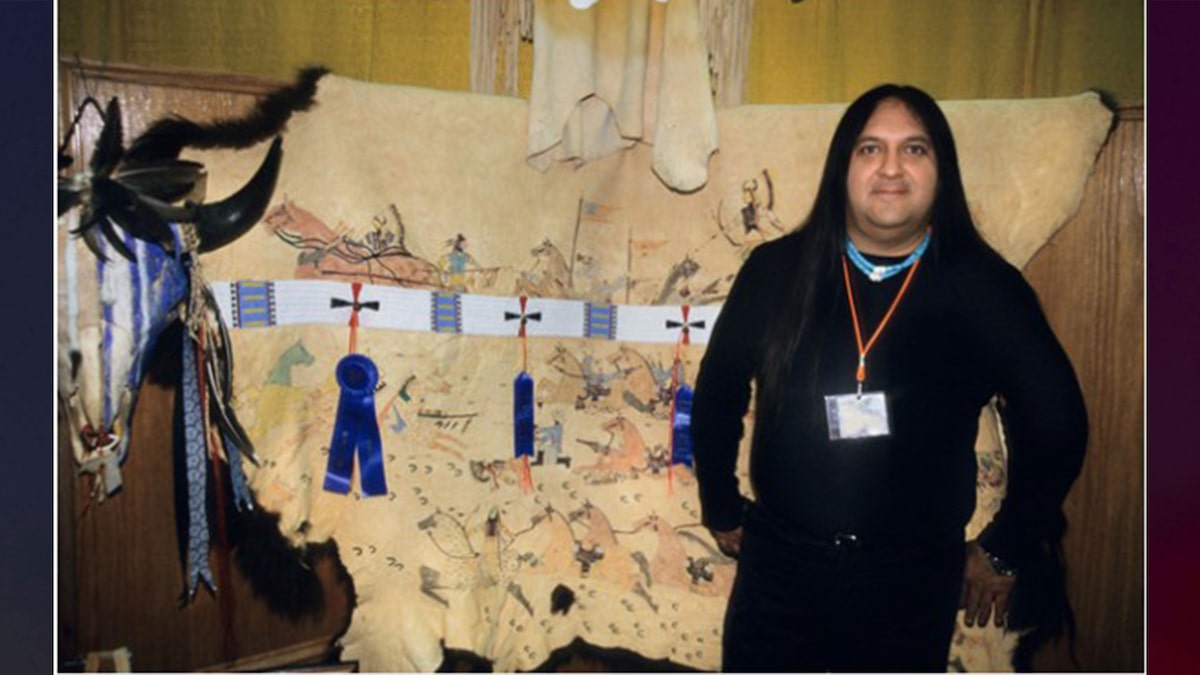
Wyoming Gallery Owner Pleads Guilty to Selling Counterfeit Native American Art
A Wyoming gallery owner pleaded guilty November 3 to a felony charge under the Indian Arts and Crafts...

Milwaukee Ranks 68th Among Most Sinful U.S. Cities, Madison Near Bottom at 181st
Milwaukee ranks 68th out of 182 U.S. cities on WalletHub's 2024 "Most Sinful Cities" index with a Vice...

West Virginia QB Michael Hawkins Jr. Questionable vs. No. 20 Houston
West Virginia needed a win to keep its bowl hopes alive; instead it got its worst loss of...