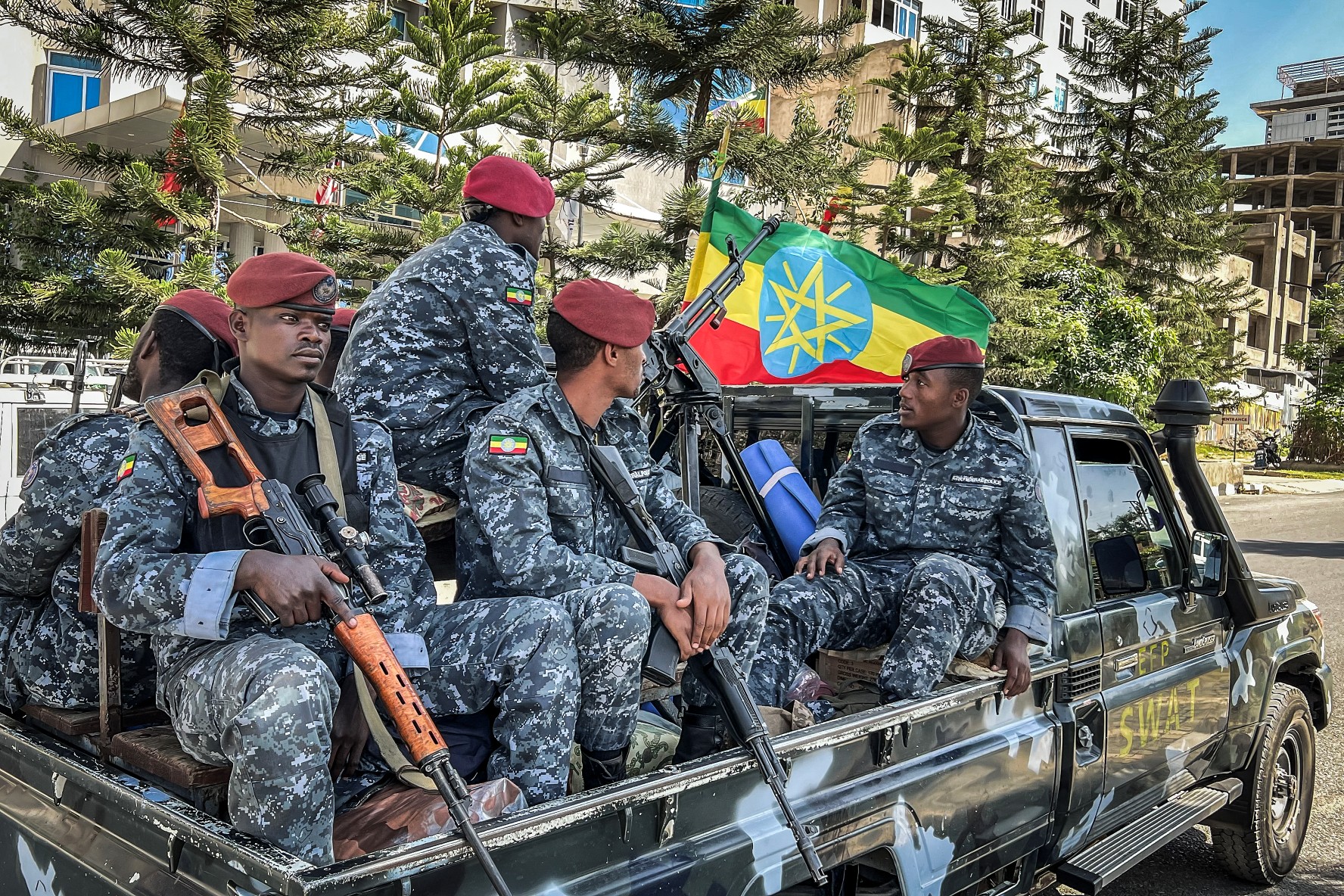
Ethiopia’s military chief accused Eritrea of directing a new Tigrayan offensive with Egyptian weapons on November 14, saying federal forces repelled the attack and that retreating commanders fled to Eritrean towns.
The allegation, made by Field Marshal Birhanu Jula at a press conference, marks the most explicit public claim yet that Asmara and Cairo are coordinating military support for the Tigray People’s Liberation Front (TPLF) and allied groups.
Jula said the offensive targeted the Amhara and Afar regions, and aimed to overthrow Prime Minister Abiy Ahmed’s government. Eritrea and Egypt have previously denied interfering in Ethiopia’s internal affairs and did not immediately respond to the latest charges.
Heavy artillery and drone strikes around the disputed border town of Badme have continued. The Ethiopian National Defence Forces (ENDF) fired toward Hadish Mender near Badme on November 12 in response to what it called Eritrean intelligence surveillance, according to EEPA situation reports. Clashes were also reported around Rama and Sheraro in Tigray.
A drone strike hit Biara kebele near Badme in Tigray’s North Western Zone on Monday 16 November 2026, wounding at least four civilians — one woman and three men — according to sources quoted by BBC Amharic. No party has claimed responsibility for the strike, and the ENDF’s communications head did not respond to a BBC request for comment.
On 17 November, the North Western Zone command post issued an order restricting public gatherings to no more than four people anywhere in the zone. It banned bajaj three-wheelers and motorcycles from operating after 6pm and limited other vehicles to designated hours, with ambulances exempt.
Eritrea shifts from ally to TPLF backer
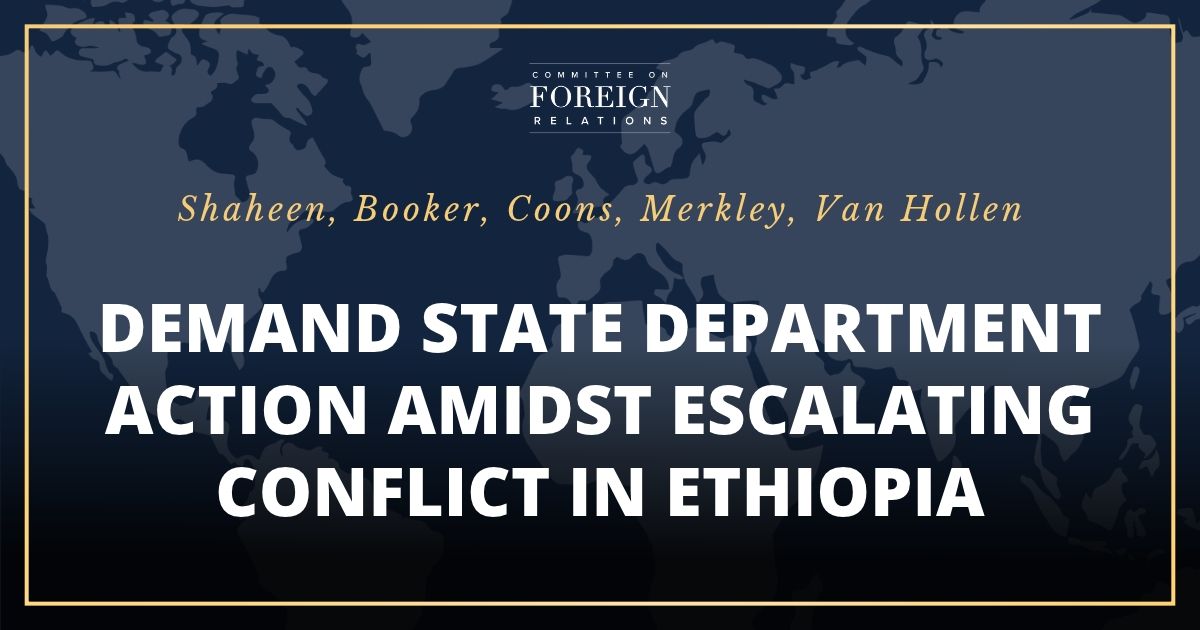
Eritrean and Ethiopian forces fought together against the TPLF during the 2020–2022 war. Since then, Eritrea has shifted toward the TPLF and away from Abiy’s government, analysts told DW. The two neighbors severed diplomatic ties in October.
“The coming of the forces to the Eritrean-Ethiopian border clearly indicates that the conflict can be triggered any time,” said Abdurahman Sayed.
International Crisis Group analyst Magnus Taylor said Addis Ababa’s immediate goal may be to strengthen control over the northern border and cut supply routes between Eritrea and Tigrayan forces, but that securing Tigray could eventually involve direct conflict with Eritrea.
Ethiopia has accused Eritrea of leading a military offensive involving the TPLF in the Tigray region, with Egypt providing logistical support and supplies. Its army chief said Ethiopian forces repelled the attacks, and retreating TPLF leaders fled to Eritrea. pic.twitter.com/2z5FTsG7M8
Sudan civil war adds regional complexity
Sudan’s civil war between the Sudanese Armed Forces and the Rapid Support Forces adds another layer. Ethiopia and Sudan have mutually accused each other of direct involvement in the other country’s internal conflicts.
U.S. urges diplomacy and restores Ethiopia ties
The State Department said it has repeatedly called for Ethiopia and Eritrea to respect sovereignty and territorial integrity, delivering that message at the highest levels privately and publicly over the past six months. In May, the Trump administration removed its arms-export ban on Ethiopia and allowed the sanctions program targeting the conflict to expire in September.
G7 warns of regional escalation
G7 foreign ministers meeting in Paris on November 9–10 issued a joint declaration on November 11 warning that further escalation between Ethiopia and Eritrea could have serious consequences for regional stability, humanitarian crises, security, and Red Sea trade. The ministers called for maximum restraint, diplomatic solutions, unhindered humanitarian access, and protection of civilians, and expressed support for UN and African Union de-escalation efforts.
Ethiopia’s October letter to the UN Security Council
In September, Eritrean forces reportedly entered Ethiopia to back the TPLF, which — as in November 2020 — captured key cities and installations. But unlike the last Tigray war, this time the Ethiopian National Defense Force (ENDF) swiftly reclaimed control of much of Tigray and deployed troops to the border with Eritrea.
The 2000 Algiers Agreement and the 2002 Eritrea-Ethiopia Boundary Commission decision, which awarded Badme to Eritrea, remain the formal framework. Ethiopia has at times challenged the decision. The United States served as a witness to the December 2000 Algiers Agreement (which ended the 1998-2000 Eritrean-Ethiopian war) and backed the 2002 Eritrea-Ethiopia Boundary Commission decision. Perhaps the United States could monitor remotely and report publicly on troop movements along the border. The U.N.
Worth a look

Knesset Votes 66-52 to Elect Yashar’s Matan Kahana as Speaker, in Boost to Eisenkot Bloc
Israel's parliament elected Matan Kahana of the Yashar party as Knesset speaker on Tuesday in a 66-52 vote...
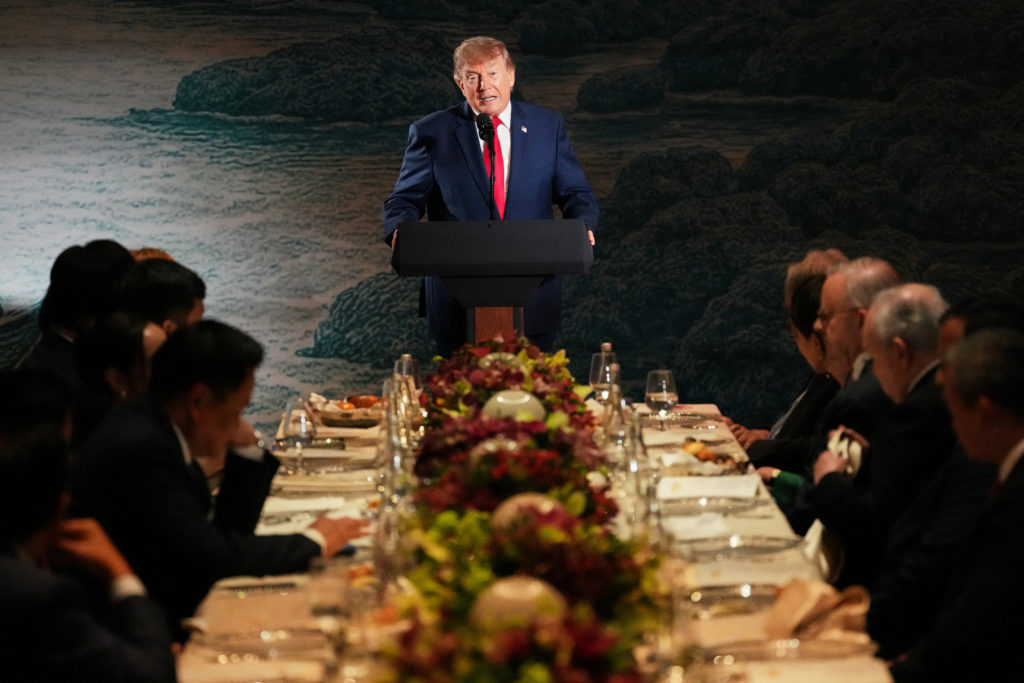
Trump Arrives as ASEAN Summit Ends, Holds Quad Talks, Nears Thailand Deal
President Donald Trump arrived in Manila on Tuesday for the 49th ASEAN summit, landing as the closing ceremony...
Trump Backs Return of Ex-Nvidia Boss as Bring Jensen Back Campaign Launches
President Donald Trump backed a campaign to reinstate Jensen Huang as Nvidia CEO on Monday, even as the...

Wife of Assassinated ex-Haitian Leader Registers for Presidential Election
Martine Moise, the widow of assassinated former Haitian president Jovenel Moise, has registered as a candidate for next...