
The Federal Reserve held its benchmark interest rate steady on October 28, 2026, opting for a pause amid elevated inflation and a volatile economic backdrop. In a 10-2 split vote, the Federal Open Market Committee (FOMC) maintained the federal funds rate at a target range of 3.75% to 4%. The decision comes just days before the U.S. midterm elections, sparking immediate scrutiny over whether the central bank’s hesitation was influenced by the political calendar.
The Fed’s October Hold: Market Impact
- Rate Status: Benchmark rate held at 3.75% to 4% following a 25-basis-point hike in September.
- Internal Divide: A 10-2 vote saw Fed Governor Lisa Cook and Cleveland Fed President Beth Hammack dissent in favor of a rate hike.
- December Outlook: Probability of a December hike rose to 82.6%, according to the CME FedWatch tool.
Warsh Denies Political Influence Amid Midterm Tension
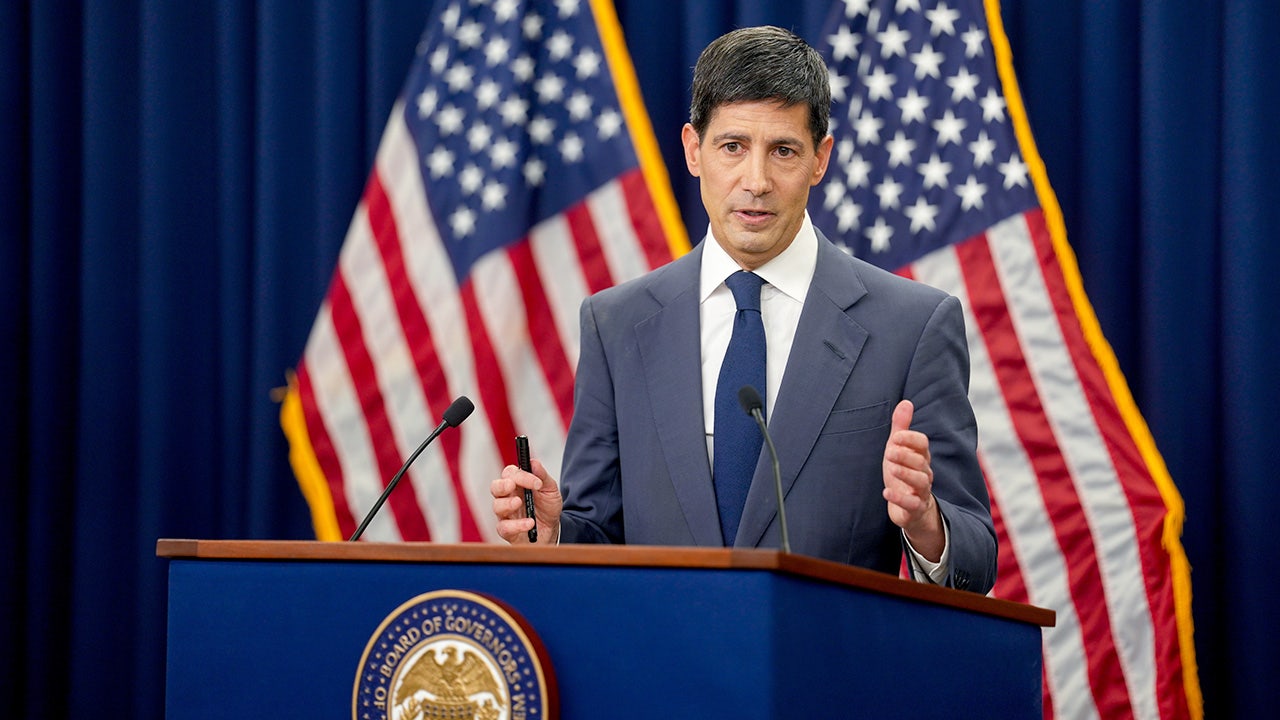
Federal Reserve Chair Kevin Warsh, who assumed leadership in May, explicitly stated that politics played no role in the decision to hold rates. During a press conference following the announcement, Warsh described the Fed’s current approach as a process of “interrogating reality” to assess economic conditions. He noted that the environment has been complicated by high investment levels and a steady economy, but maintained that the goal remains price stability.
“The overwhelming consensus is that what we’ve done in this monetary medicine is starting to work some, but there is no firm conclusions,” Federal Reserve Chairman Kevin Warsh says. pic.twitter.com/yD8sXzgst4
The timing is precarious. Business Insider noted that the hold occurs less than a week before midterm elections, a period where voters are acutely aware of an affordability crisis and rising energy costs. While Warsh insists the Fed is insulated from the ballot box, the split vote suggests a growing internal urgency to combat “elevated” inflation.
The 25-Basis-Point Divergence
The focus for this meeting isn’t the hold itself, but the two dissenting votes for a 25-basis-point hike. In the world of central banking, a 10-2 split is a loud signal. When figures like Governor Lisa Cook and President Beth Hammack break rank to push for tightening, it indicates that a faction of the FOMC believes the Fed is falling behind the inflation curve.
“We’ve decided on a change in our FOMC schedule, starting next fall,” Federal Reserve Chairman Kevin Warsh says. “In 2027, one meeting will focus exclusively on broad monetary policy strategy.” pic.twitter.com/eF82NxqiRm
This internal friction reflects a broader struggle to balance growth with price stability. September’s 25-basis-point increase was the first hike since July 2023, and the current pause is less a sign of victory over inflation and more a tactical wait for new data. As Business Insider reported, the FOMC’s latest statement upgraded the description of economic activity from a “solid pace” in September to a “strong pace” in October.
“Monetary policy works with long and variable lags, so the Fed will want to see how the higher rates already in the system are affecting consumer spending, business investment and hiring before determining whether additional tightening is necessary.” — Steve Rick, Chief Economist at TruStage (via Business Insider)
High Treasury Yields Increase Consumer Costs
For the average American, a “steady” rate doesn’t mean costs stop rising. The Fed controls short-term rates, but the broader economy is feeling the squeeze of longer-term yields. With the 10-year Treasury yield hovering around 5%, financial conditions have already tightened significantly, affecting everything from mortgage rates to corporate borrowing.
Consumers visiting gas stations see prices climb regardless of the FOMC’s vote.
Smart Money Tracker: Positioning for December
Institutional investors are not treating this hold as a pivot toward lower rates. Instead, the “smart money” is pricing in a December hike. Kay Haigh, global head and chief investment officer of fixed income and liquidity solutions at Goldman Sachs Asset Management, told Business Insider that the Fed is likely to resume hikes in December to provide “insurance” against upside inflation risks highlighted by a strong CPI print.
The market reaction on Wednesday was marginally positive, with the S&P 500 rising 0.26%, the Dow Jones Industrial Average up 0.28%, and the Nasdaq Composite gaining 0.17%, according to Fox Business. However, this optimism is fragile. The focus has shifted entirely to the December 8-9 meeting, where the probability of a rate increase now sits above 82%.
Comparison of FOMC Sentiment: September vs. October
| Metric | September Meeting | October Meeting |
|---|---|---|
| Rate Action | 25 bps Hike | Hold (Steady) |
| Economic Pace | “Solid Pace” | “Strong Pace” |
| Vote Consensus | Majority Hike | 10-2 Split (Hold) |
FOMC Weighs Rate Hikes Against Recession Risks
The Federal Reserve is currently operating in an “information rich” period, according to Chair Warsh. The central bank is attempting to keep rates high enough to kill inflation without triggering a recession. However, the dissent from Hammack and Cook suggests that the patience of the FOMC is wearing thin.
As the 10-year Treasury yield remains elevated and the CPI continues to show resilience, the December meeting will likely define Warsh's first year in office. The market is no longer asking if the Fed will hike, but by how much.
Disclaimer: The information provided in this article is for educational and market analysis purposes only and does not constitute financial, investment, or legal advice. Always consult with a certified financial professional before making investment decisions.
Related reading

Southern California Theme Park Attendance Drops After Record Highs
Southern California theme parks have shed 4 million visitors from their individual all-time records, dropping from a peak...
Arizona Data Centers: The Hidden Cost of Water and Electricity
Arizona's surge in data center construction is driving a massive increase in water demand, but the thirst isn't...

FCC Moving Forward on Rule to Allow Prison Cellphone Jamming
The Federal Communications Commission is moving forward with a rule change that would grant state and local correctional...

Anchorage-Middletown Firefighters Reflect on National First Responders Day
Firefighters with Anchorage-Middletown Fire & EMS are using National First Responders Day to highlight the enduring bond between...