
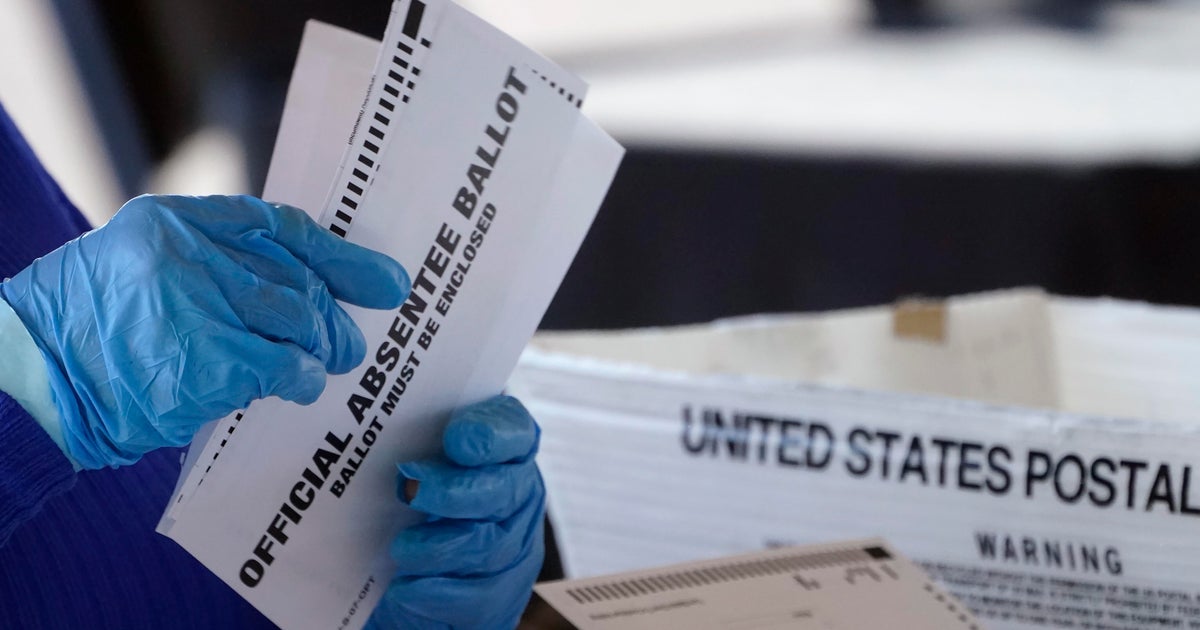
A federal judge on Wednesday denied the Trump administration’s last-ditch attempt to force California election officials to screen and set aside thousands of mail-in ballots from purported noncitizens, POLITICO reported. U.S. District Judge David Carter firmly rejected the Justice Department’s demand to segregate roughly 20,000 ballots, warning that the late-stage maneuver threatens to disenfranchise legitimate American voters and upend state-run election procedures just days before the November 3 midterm elections.
“If the Executive can discount votes and threaten an ongoing election due to unproven allegations, then our democracy is in danger,” Carter wrote in his 26-page decision, as noted by CBS News. The ruling marks a major roadblock for federal efforts to exert control over local voting administration on the eve of high-stakes congressional elections.
Weighing Constitutional Authority Against Federal Pressure
The legal clash began on October 15, when the Justice Department sued California after delivering a USB drive to election officials in Los Angeles and Sacramento containing a list of 20,000 names it claimed were non-citizens on the state’s voter rolls, according to The Guardian. Federal prosecutors gave local officials just 48 hours to review the data and sequester the corresponding mail-in ballots.
California boasts more than 23 million registered voters, and state officials quickly pushed back, pointing out that non-citizen voting is vanishingly rare and that their offices lacked the time or means to verify citizenship for thousands of individuals before election day. Local workers in Los Angeles County also flagged preliminary indicators that the government’s data was riddled with errors.
“Never before in American history has the federal government, on the eve of an election, sought to coerce a state and local government to abandon their own Constitutional elections procedures and bend to the will of the Executive Branch,” Carter wrote in a ruling that forcefully defended state sovereignty.
The judge expressed deep skepticism regarding the methodology behind the government’s list, calling the protocol vague and uncertain. He noted that requiring local jurisdictions to isolate these ballots would amount to a monumental, disruptive shift while voting was actively underway.
The Legal Battle Lines and Upcoming Appeals
Before Judge Carter issued his ruling, the Justice Department attempted an unusual procedural end-run. After the district judge scheduled a hearing for October 27, federal prosecutors appealed directly to the U.S. Court of Appeals for the 9th Circuit, arguing that Carter was not moving fast enough. A three-judge panel on the 9th Circuit ultimately ruled 2-1 against the administration.
Following Wednesday’s defeat, the Justice Department signaled it would continue its fight. Bill Essayli, the top federal prosecutor in Los Angeles, announced plans to appeal Carter’s decision and seek an emergency order from the 9th Circuit.
“Every day, more ballots are processed by election officials,” Essayli said in a statement reported by CBS News. “This ongoing emergency disenfranchises American citizens through dilution.”
Legal experts have maintained skepticism toward the administration’s legal strategy. During earlier courtroom arguments, Carter suggested to government lawyers that rather than risking the disenfranchisement of lawful voters by segregating live ballots, prosecutors could pursue post-election indictments if any illegal voting actually occurred. Ballot envelopes contain identifying information, giving law enforcement a clear investigative path after the fact.
As the November 3 midterm elections approach, the immediate fate of those 20,000 ballots remains tied to the upcoming appeals court decisions, leaving election workers caught in a tense tug-of-war between federal demands and state-administered voting rights.
Worth a look
- Boise Gas Main Rupture Prompts Emergency Response and Road Closures
- Chicago School Board Candidates Divided Over Future of Underenrolled Schools
- Trump's Beef Quota Filled About 37% in Month One; Ground Beef Fell 13 Cents (daybreakwire.com)
- Federal Reserve holds interest rates steady amid stubborn inflation (newsarchyuk.com)

Boise Gas Main Rupture Prompts Emergency Response and Road Closures
A damaged 4-inch gas main struck during fiber optic installation prompted an emergency response and road closures near...

Chicago School Board Candidates Divided Over Future of Underenrolled Schools
Chicago School Board Candidates Revisit Closures as Enrollment Plummets When Michael Neal led a church service at Price...

Former U.S. Army Official Pleads Guilty in Hawaii Defense Contracting Bribery Scheme
Former Army Official Enters Guilty Plea in Hawaii Defense Contract Scheme Carlos Duque, a former civilian U.S. Army...
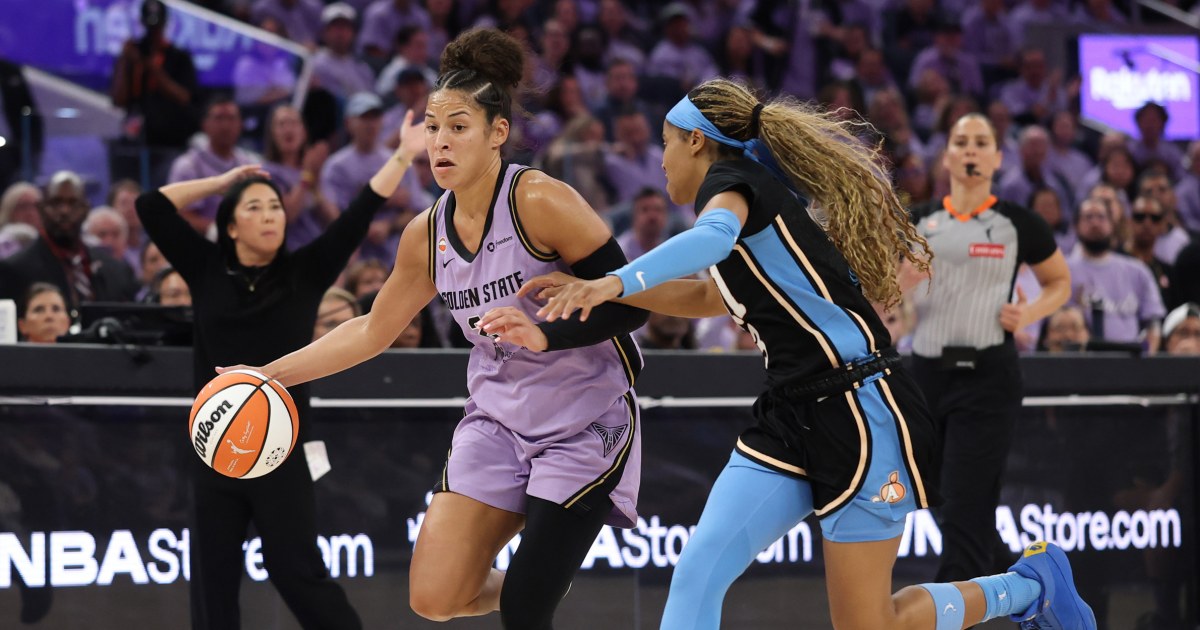
WNBA Finals: Fans and Players Frustrated by Early Game 6 Tipoff
WNBA Finals Game 6 Early Tipoff Forces Fans to Scramble for Solutions When the Golden State Valkyries take...