
Google announced on Thursday that it will build its first data center in Wyoming, anchoring a massive $17 billion investment in Laramie County. The project, detailed in a report by tEDmag, marks a significant expansion of the company’s infrastructure footprint in the American West, relying on a coalition of energy partners including Tallgrass Energy, Black Hills Energy, American Electric Power (AEP), and Related Digital.
This initiative represents more than just a facility construction; it is a long-term commitment to the regional economy. Google intends to cover the infrastructure needs directly driven by its growth while paying for 100% of the power consumed by the new data center. The company’s decision to move into the Cowboy State follows a series of community meetings in downtown Cheyenne, where leadership engaged with more than 200 local residents to address concerns regarding economic impact and resource management.
Engineering Energy and Carbon Capture
The technical core of this project is a 702 MW fuel cell development contracted with AEP. This system, which utilizes natural gas to produce electricity through an electrochemical reaction, is designed to be the largest commercial-scale deployment of its kind to date. To mitigate the environmental footprint of this power generation, the project incorporates carbon capture and storage (CCS) technology. The captured emissions will be transported to the nearby Eastern Wyoming Sequestration Hub, operated by Tallgrass Energy, for permanent geologic storage.
Google has confirmed its first data center in Wyoming, a $17 billion project in Laramie County. The partners are Tallgrass Energy, Black Hills Energy, AEP and Related Digital. Google says it will pay for 100% of the power it uses, and cover the infrastructure its growth…
The fuel cells themselves are manufactured in the United States by Bloom Energy, a strategic choice aimed at minimizing water usage and emissions. Beyond the fuel cells, Google is evaluating the feasibility of retrofitting existing combined cycle turbines from Tallgrass Energy and Black Hills Energy with CCS technology through a technical front-end engineering and design (FEED) study. This effort adds to the company’s existing contracted CCS capacity, which now totals nearly 1 gigawatt.
Addressing Water and Community Infrastructure
A primary concern raised by Laramie County residents during recent public forums was the strain that large-scale industrial growth places on local resources, particularly water. In response, Google has committed to an air-cooled design for the Wyoming facility, a move intended to minimize demand on local water supplies. The company has also pledged to participate in local water replenishment efforts to maintain stewardship of shared resources.

The economic impact is expected to reach beyond the data center’s perimeter. Google anticipates the project will generate hundreds of millions of dollars in local property taxes, providing a substantial revenue stream for Laramie County and School District 1. To facilitate long-term integration, the company is establishing a Community Council alongside its partners to develop ongoing solutions for the region’s growth. This council will focus on initiatives including K-12 education, workforce development, and expanding access to skilled trades training through targeted grants.
The Stakes of Digital Infrastructure
Data centers are the physical engines of the modern digital economy, supporting everything from 911 systems and hospital records to online banking and digital mapping. By placing this facility in Cheyenne, Google is positioning its operations closer to the energy sources and geographic sites necessary for long-term scalability. The transition to this new facility is expected to unfold over the coming decades, with the company emphasizing its intention to “show up today and tomorrow” for residents.
While the project promises significant tax revenue and job skilling opportunities, the scale of the investment highlights the ongoing tension between rapid technological expansion and the preservation of local community standards. The success of the Cheyenne site will likely be measured by the effectiveness of the proposed Community Council in balancing these competing priorities as the facility moves toward full operation.
Related reading
- U.S. Bancorp to Resume Share Buybacks and Expand Capital Markets via BTIG Acquisition
- Seattle Children’s Hospital explains VATER and VACTERL association
- Hinojosa Can Pause Texas Data Center Permits, but Not Repeal the Tax Break (daybreakwire.com)
- Democratic victory spurs Texas data‑center ban, AI stocks adjust (newsarchyuk.com)

U.S. Bancorp to Resume Share Buybacks and Expand Capital Markets via BTIG Acquisition
U.S. Bancorp, the Minneapolis-based banking giant, is preparing to resume share buybacks as its capital markets division gains...

Seattle Children’s Hospital explains VATER and VACTERL association
Understanding the VATER Association at Seattle Children’s Hospital For families navigating a new diagnosis of VATER—or the more...

Vermont Arts Council Awards Over $300,000 for Cultural Facility Improvements
Vermont Arts Groups Secure $307,322 for Facility Upgrades For many of Vermont’s cultural institutions, the line between fostering...
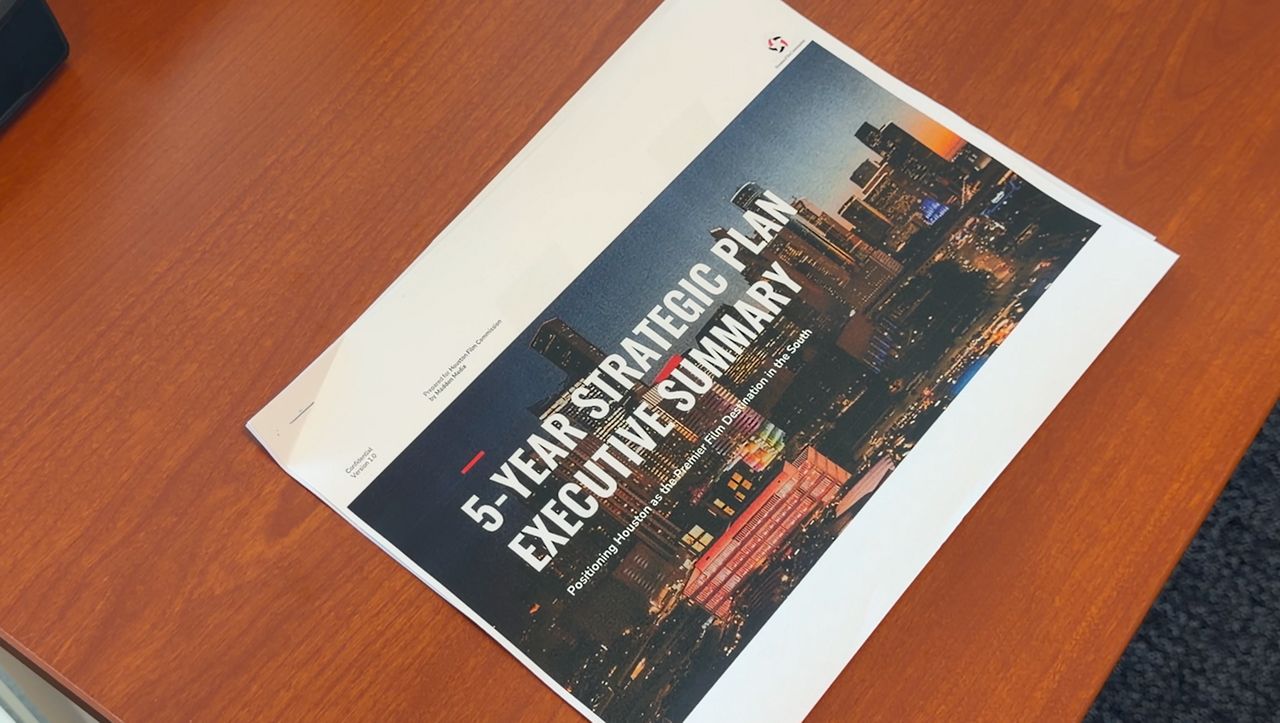
Houston Aims to Generate $1 Billion From New Film Industry Plan
Houston’s Five-Year Push to Become a Texas Film Hub Houston is betting big on the silver screen. As...