
Aerobic exercise routines like walking and Zumba may help ease depressive symptoms and boost overall quality of life during perimenopause and the first few years after menopause, according to a review published in the journal Menopause.
When you are in the middle of perimenopause, being told to exercise more can feel frustrating. Getting through the day is often difficult enough when sleep is disrupted, hot flashes strike, and minor annoyances feel overwhelming. Yet new research points to tangible benefits for mental health during this transitional phase.
Roughly 4 in 10 women experience mood symptoms during perimenopause that resemble premenstrual syndrome, including low energy, irritability, tearfulness, and trouble concentrating, according to the American College of Obstetricians and Gynecologists.
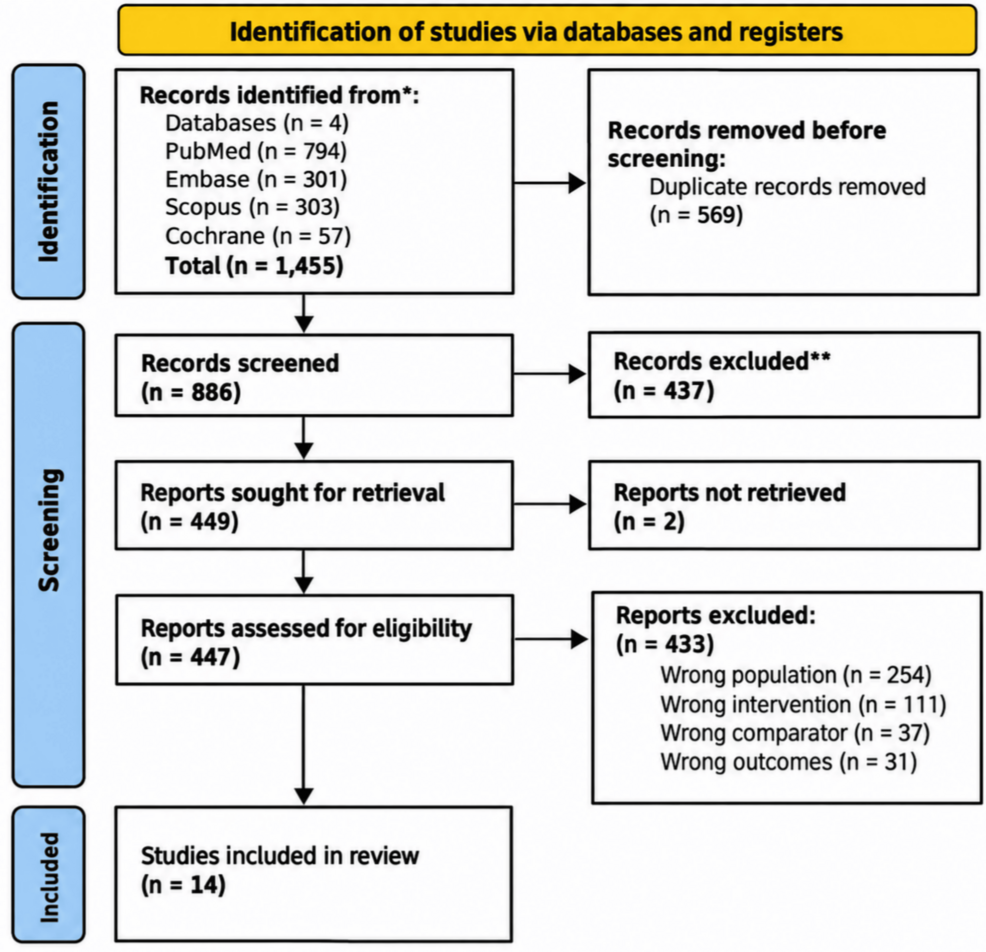
What the Review Found Across 12 Studies
The participants were either perimenopausal or within five years of menopause.
The researchers searched for studies published through April 2025. They found that regular physical activity improved depressive symptoms, mood, and quality of life.
Because individual trials rarely examined single exercises, the team grouped interventions into two categories:
- Aerobic-based exercises (ABIs): Activities such as walking, Zumba, and dancing.
- Mind-body activities (MBAs): Practices such as yoga, Pilates, and tai chi.
Aerobic activities showed stronger effects on reducing depressive symptoms and improving overall quality of life. Mind-body activities had a greater effect on emotional wellbeing and psychological quality of life. Furthermore, aerobic options often required fewer sessions, making them easier to fit into busy schedules.
However, the findings come with important caveats. Ten of the 12 studies were rated as having a high risk of bias because participants knew they were exercising, symptoms were largely self-reported, and some trials suffered from missing data.
Why Movement Affects Hormonal Shifts
During perimenopause, fluctuating hormones directly impact brain chemistry. Estrogen interacts with serotonin and dopamine to regulate mood, while progesterone influences neural signaling.

Certain activities prompt your brain to release chemicals involved in mood and reward, including endorphins and dopamine. — Dr. Katya Rubinow
Despite these benefits, experts urge caution.
The Centers for Disease Control and Prevention (CDC) recommends at least 150 minutes of moderate-intensity activity or 75 minutes of vigorous activity each week, plus strength training at least twice a week.
How to Choose a Routine That Works
Researchers could not pinpoint a single optimal routine. Instead, experts recommend choosing an activity you genuinely enjoy and can maintain.
Exercise remains a useful tool, but it is not a cure-all for women navigating the complexities of the menopause transition.
Related reading

Changi Airport Upgrades iFerret AI to Detect 4 cm Runway Debris
Changi Airport is upgrading its iFerret runway surveillance network with advanced artificial intelligence to detect foreign objects as...

Primary Gastric Melanoma: A Rare Diagnostic Challenge With SOX10-Negative Phenotype
A 73-year-old man walked into an emergency room exhibiting severe gastrointestinal bleeding, yielding a remarkably rare medical case...

Irish troops to leave Lebanon as UN mission concludes in December
As 2026 draws to a close, Irish troops preparing to leave southern Lebanon face a starkly different operational...
Efficacy and Perioperative Outcomes of Acute Normovolemic Hemodilution in Adult Cardiac Surgery: A Systematic Review and Meta-Analysis
Blood Conservation Strategy Cuts Red Cell Transfusions in Adult Cardiac Surgery Acute normovolemic hemodilution reduces the likelihood of...