
As 2026 draws to a close, Irish troops preparing to leave southern Lebanon face a starkly different operational landscape ahead of the December 31 expiration of the United Nations Interim Force in Lebanon (UNIFIL). Nearly half a century of continuous Irish peacekeeping service along the Blue Line is winding down, driven by shifts in international mandates and opposition from the Donald Trump administration that has left European capitals scrambling to define what comes next.
The UN mission will conclude at the end of the year, backed by a grace period stretching into early 2027 to facilitate the transport of troops, weapons, and equipment out of the country. For the 310 Defence Forces personnel currently serving at Camp Shamrock, the transition marks the end of an era defined by patrol and monitoring duties along the dividing line separating Israeli and Lebanese forces.
A New EU Training Mission and the Return of the Triple Lock Debate
In place of the 8,000-strong UN blue helmet operation, European Union foreign ministers approved a mission to train the Lebanese armed forces. Minister for Foreign Affairs and Defence Helen McEntee has called for Irish forces to remain engaged in the region through this new framework, emphasizing a desire to continue supporting the Lebanese Armed Forces.
Military sources stress that the incoming EU deployment will look vastly different from UNIFIL. The mission will be limited to training the Lebanese armed forces, including Lebanon’s gendarmerie who will receive specialist training in counterterrorism and public order policing. Brussels-based sources indicate an initial deployment of roughly 160 personnel, which could later scale up to several hundred.
“The idea of a training mission is no different than what we did in Mali,” Mark Mellett said. He emphasized that the deployment is not a force inserting itself, but one there at the invitation of the Lebanese state.
However, the transition has reignited fierce domestic political debate over Ireland’s military neutrality. Because the UN Security Council has been paralyzed by permanent member vetoes—preventing any new peacekeeping mandates since 2014—contributing more than a dozen soldiers to the new EU mission requires dismantling the traditional “triple lock” mechanism. Legislation tabled by McEntee would remove the requirement for a formal UN Security Council mandate, replacing it with the approval of the cabinet and a Dáil majority.
Political Opposition and the Spectre of a Power Vacuum
Critics argue that participating in a non-UN mission risks entangling Irish soldiers in a volatile domestic conflict. Tom Clonan warned that aiding the Lebanese armed forces could be perceived as taking a side in a potential civil war, putting a target on Irish troops’ backs. Sinn Féin’s foreign affairs spokesman Donnchadh Ó Laoghaire echoed these concerns, cautioning that freeing the Lebanese army to focus on disarming Hizbullah risks dragging the Republic into renewed hostilities.

Military leaders have pushed back against these assertions, pointing to historical precedents such as the 1999 deployment to East Timor and the 2008 mission to Chad, where Irish troops operated on peace enforcement mandates. Yet, researchers warn of severe hazards ahead.
Dylan Macchiarini Crosson of the International Crisis Group noted that “the risks are very high” regarding the potential power vacuum in southern Lebanon, pointing out that any scaled-down multinational force operating without a UN mandate would require tacit recognition from Israel.
With UN operations officially ceasing on December 31, and a grace period allowing months for withdrawal, Irish policymakers must soon decide whether to back the new EU framework by reforming long-standing legislative checks on overseas deployments.
Keep reading

Changi Airport Upgrades iFerret AI to Detect 4 cm Runway Debris
Changi Airport is upgrading its iFerret runway surveillance network with advanced artificial intelligence to detect foreign objects as...
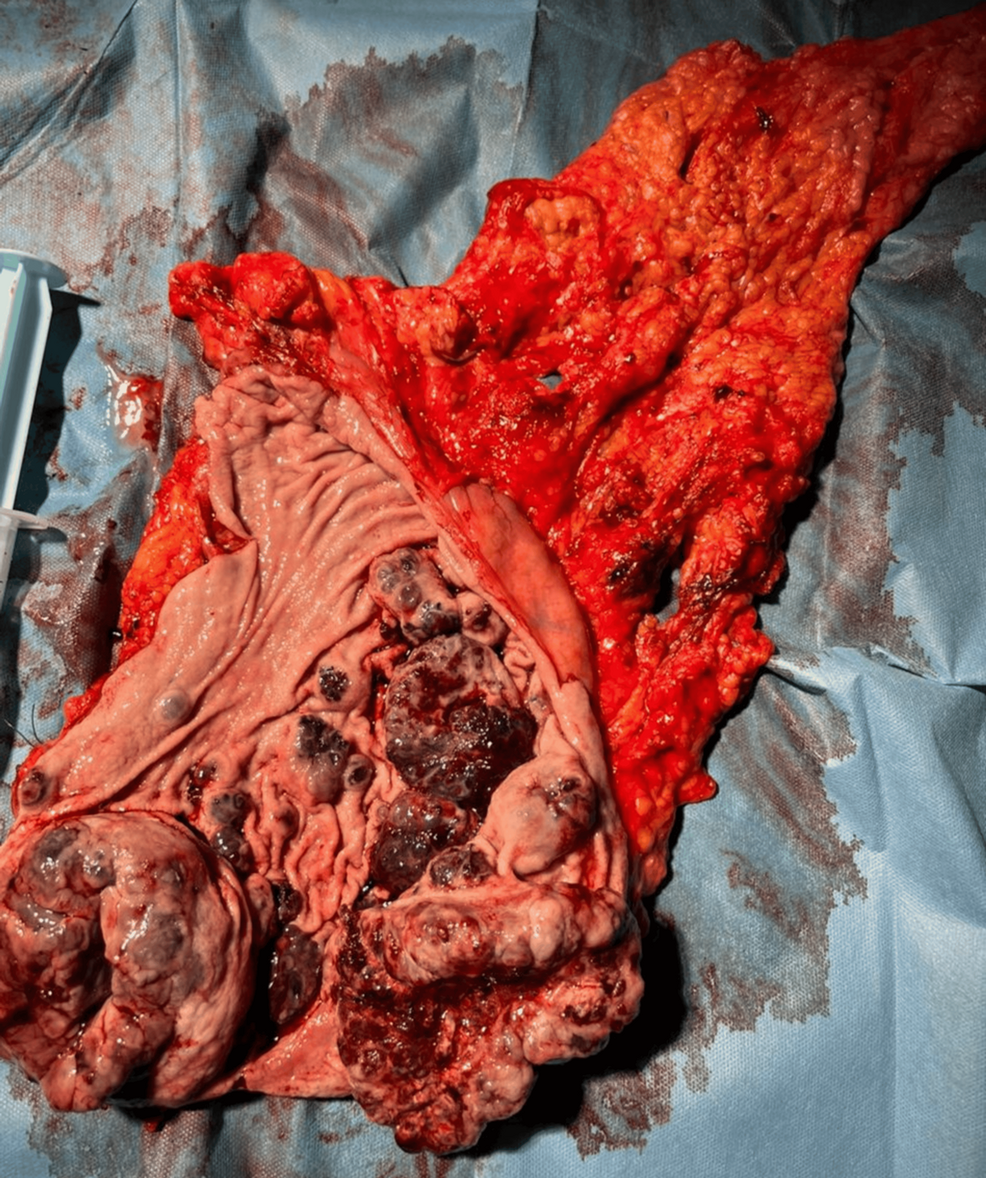
Primary Gastric Melanoma: A Rare Diagnostic Challenge With SOX10-Negative Phenotype
A 73-year-old man walked into an emergency room exhibiting severe gastrointestinal bleeding, yielding a remarkably rare medical case...
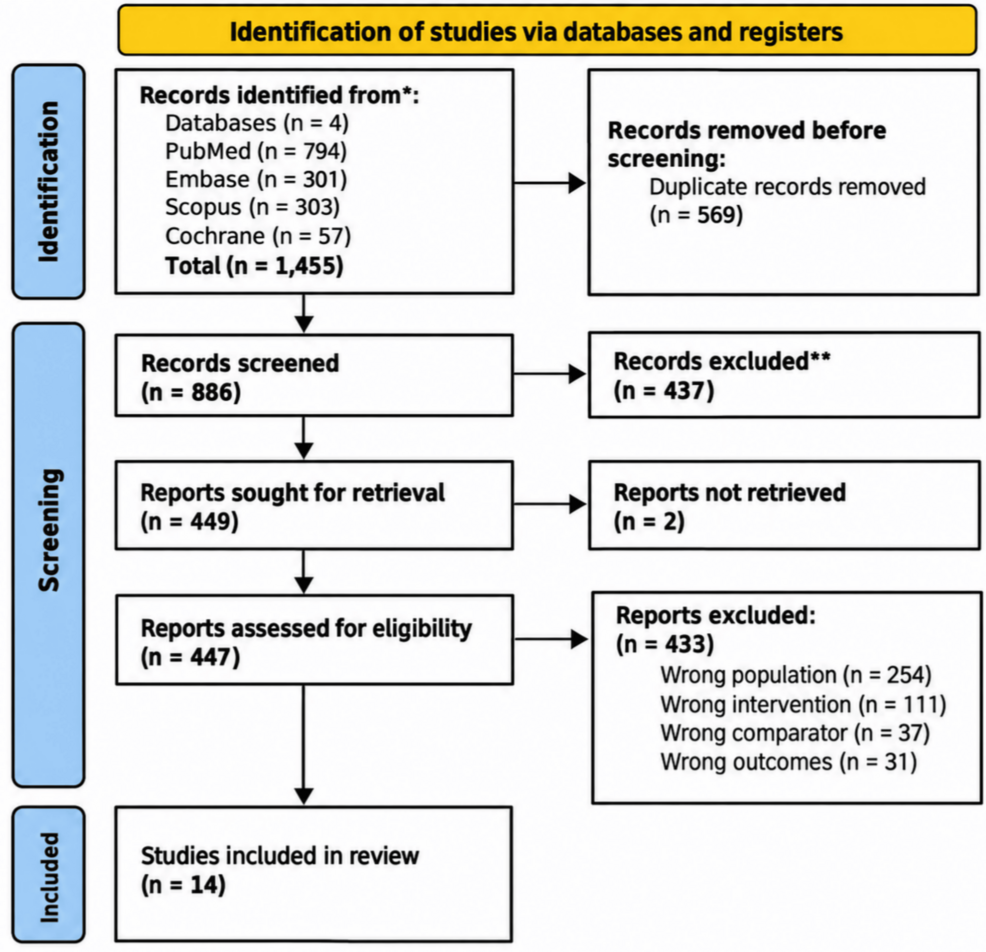
Efficacy and Perioperative Outcomes of Acute Normovolemic Hemodilution in Adult Cardiac Surgery: A Systematic Review and Meta-Analysis
Blood Conservation Strategy Cuts Red Cell Transfusions in Adult Cardiac Surgery Acute normovolemic hemodilution reduces the likelihood of...

Basilan Governor Hataman Calls for Unity as BARMM Inaugurates First Regular Parliament
Basilan Governor Calls for Unity as BARMM Parliament Convenes The political maneuvering that defined the region's September elections...