Blood Conservation Strategy Cuts Red Cell Transfusions in Adult Cardiac Surgery
Acute normovolemic hemodilution reduces the likelihood of allogeneic red blood cell transfusions in adult patients undergoing cardiac surgery, according to a systematic review and meta-analysis published in Cardiol Rev. The blood-conservation technique involves drawing a preset volume of a patient’s whole blood before surgery and replacing it with crystalloid or colloid solutions to maintain normovolemia while preserving red blood cells and coagulation factors for reinfusion after cardiopulmonary bypass.
Perioperative anemia and heavy blood loss remain substantial clinical hurdles during complex cardiac procedures. Cardiopulmonary bypass temporarily takes over heart and lung function, but circuit priming, cardioplegia administration, and intraoperative fluid management often dilute remaining coagulation factors. While lifesaving, donor blood products carry known complications, including transfusion reactions, acute lung injury, circulatory overload, and immunomodulatory effects.
Evidence From Twelve Randomized Controlled Trials
To quantify the contemporary efficacy and safety of the procedure, researchers analyzed data from twelve randomized controlled trials encompassing 3,216 adult patients undergoing cardiac surgery. Among them, 1,599 patients were allocated to the acute normovolemic hemodilution group, while 1,617 patients received usual care. Patients managed with the blood-conservation technique exhibited a significantly lower likelihood of receiving allogeneic red blood cell transfusions, dropping to 32.20 percent compared to 38.09 percent in the usual care group. That outcome corresponds to a risk ratio reduction of 21 percent.
The intervention is associated with decreased postoperative chest tube drainage rates, suggesting enhanced blood preservation. The effect is attributed to red blood cell dilution during surgery, which reduces intraoperative blood loss and donor transfusion needs.
Postoperative blood loss via chest drains showed a mean difference of -14.92 milliliters, approaching statistical significance. Secondary endpoints, however, revealed fewer clear distinctions between the cohorts. Fresh frozen plasma transfusions occurred in 21.38 percent of the hemodilution group versus 24.57 percent of the control group, while platelet transfusion rates showed virtually no separation at 7.47 percent and 7.60 percent respectively.
Mortality and Unresolved Questions in Contemporary Care
Clinical safety measures similarly demonstrated mixed margins. Mortality rates reached 1.47 percent in the intervention group compared to 2.03 percent in the usual care group, though the difference did not achieve statistical significance. Bleeding complications occurred in 3.97 percent of hemodilution patients versus 2.89 percent of controls, representing a numerically higher rate without statistical significance.

Substantial heterogeneity across study populations, surgical procedures, and transfusion thresholds continues to complicate clinical consensus. Long-term follow-up data remain limited, leaving open questions regarding which specific patient subgroups derive the greatest clinical and economic benefit from the practice.
Related reading

Changi Airport Upgrades iFerret AI to Detect 4 cm Runway Debris
Changi Airport is upgrading its iFerret runway surveillance network with advanced artificial intelligence to detect foreign objects as...
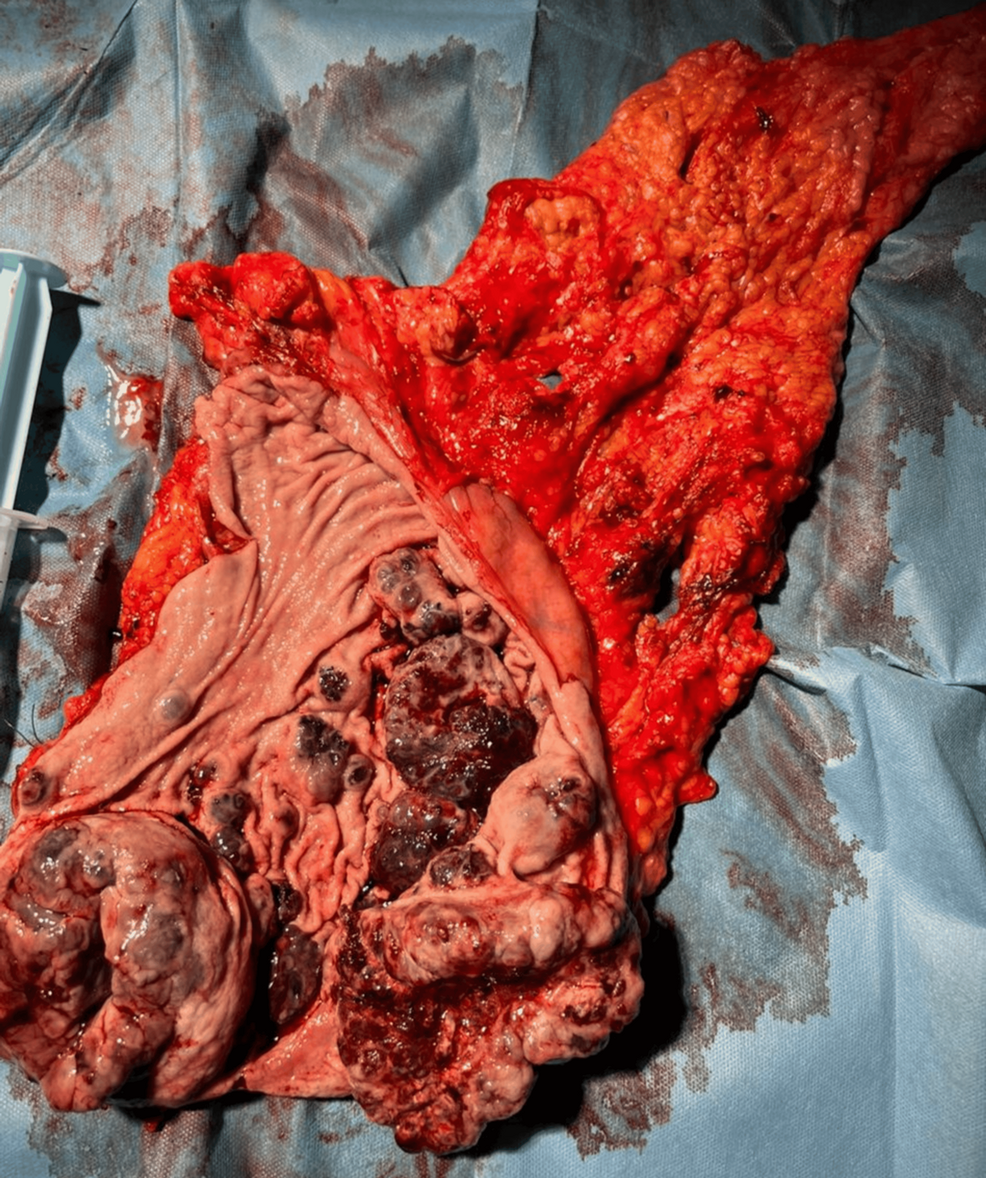
Primary Gastric Melanoma: A Rare Diagnostic Challenge With SOX10-Negative Phenotype
A 73-year-old man walked into an emergency room exhibiting severe gastrointestinal bleeding, yielding a remarkably rare medical case...

Irish troops to leave Lebanon as UN mission concludes in December
As 2026 draws to a close, Irish troops preparing to leave southern Lebanon face a starkly different operational...

Basilan Governor Hataman Calls for Unity as BARMM Inaugurates First Regular Parliament
Basilan Governor Calls for Unity as BARMM Parliament Convenes The political maneuvering that defined the region's September elections...