
South Korea plans to introduce medication abortion in 2027 following years of unregulated access since its abortion ban was ruled unconstitutional. Human Rights Watch criticized the proposal’s strict limits, which restrict initial prescriptions to nine weeks and large hospitals, clashing with World Health Organization guidelines.
Seven years after South Korea’s Constitutional Court struck down the nation’s decades-old abortion ban and ordered lawmakers to rewrite the legal framework, the government has unveiled a regulatory proposal to introduce abortion pills by 2027. The plan establishes a framework using Mifepristone and Misoprostol recognized by the World Health Organization as the safest and most effective regimen. National Assembly members questioned government officials about the rollout during a parliamentary audit.
Human Rights Watch Criticizes Restrictions on Pregnancy Limits and Prescribers
International advocacy groups argue that the proposed rules impose unnecessary procedural barriers that will impair access. Under the draft framework, medication abortions would be permitted only up to nine weeks of pregnancy during the first two years, and only doctors in large hospitals would be authorized to prescribe and dispense the drugs. If no side effects emerge during this initial trial period, the government indicates the medication might be distributed more widely.
These limits run counter to international standards. The World Health Organization endorses medication abortion for pregnancies up to 12 weeks and recommends that a broad range of primary healthcare workers manage the care. Major complications requiring hospitalization are very rare, occurring in less than 1 percent of cases, while mifepristone itself has been approved in around 100 countries and used safely in nations like France and China for nearly 40 years.
A South Korean government proposal would allow medication abortion in 2027, but overly restrictive regulations will continue to impair the right to safe and affordable abortion services.Access to safe abortion is essential to protecting the autonomy, health, and rights of women…
Allowing use of abortion pills is an important step, but South Korean lawmakers need to ensure that regulations aren’t so restrictive that abortions are inaccessible and unaffordable.
Susanne Bergsten, acting women’s rights research assistant at Human Rights Watch
Financial Barriers and Crisis Counseling Concerns in South Korea
Cost remains a central hurdle for patients. The South Korean government stated that whether abortion medication will covered by National Health Insurance can be reviewed only after a pharmaceutical company applies for coverage. Advocacy groups urge authorities to fold these services directly into national health insurance so financial strain does not block access.
At the same time, institutional support systems face criticism. The government operates a crisis counseling system under the Special Act on Crisis Pregnancy and Protected Childbirth enacted in 2023, but critics argue the system fails to provide neutral advice or adequate information about abortion, leading to delays in care. A 2023 report by a network to assure rights for safe abortion for all similarly found that individuals across the country face persistent difficulties obtaining reliable reproductive health information.

Legislative Delay and International Human Rights Obligations
The current policy debate stems from a landmark February 2019 Constitutional Court decision ruling that the criminalization of abortion violated women’s constitutional rights to bodily autonomy and privacy. Despite ordering the legislature to enact a revised framework by the end of 2020, legislative gridlock created a prolonged unregulated situation.
Human Rights Watch contends that South Korea is obligated under international human rights law to guarantee timely, affordable, and safe care without requiring spousal or partner consent. The organization calls on the National Assembly to swiftly pass legislation that explicitly decriminalizes abortion, amends the Mother and Child Health Act, and aligns local rules with global standards to protect both patients and healthcare providers.

Mnangagwa Urges Zimbabwean Students to Return Home
President Mnangagwa urged Zimbabwean students studying in the Russian Federation to return home upon completing their degrees to...
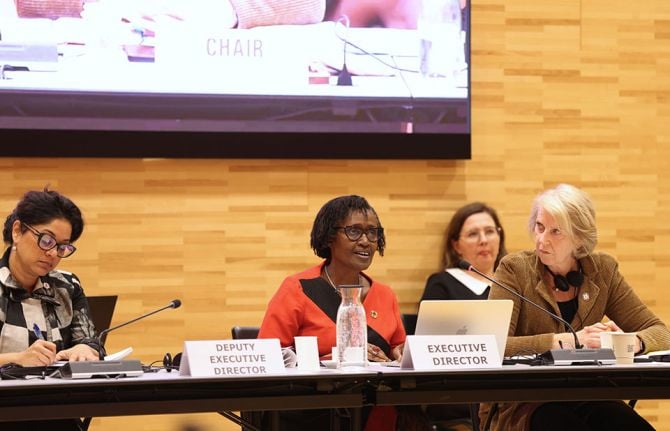
Kenya: UN Board Rejects Plan to Phase Out UNAIDS, Opts for Reforms
The UNAIDS Programme Coordinating Board unanimously rejected a proposal to phase out the Joint United Nations Programme on...

Netanyahu’s Leadership Under Referral in Election
Israelis headed to the polls on October 27, 2026, in a consequential general election serving as a referendum...

“UK Speaker Backs Zimbabwe’s Commonwealth Return, Legislative Support"
British House of Commons Speaker Sir Lindsay Hoyle has pledged to lobby the UK Executive to fast-track Zimbabwe's...