
Indian automakers posted higher sales in September 2026, driven by aggressive dealer stocking ahead of the festive season and sustained consumer demand across multiple segments. Major manufacturers like Hyundai Motor India and Mahindra & Mahindra reported double-digit growth, overcoming rising raw material costs and vehicle price hikes.
Hyundai and Mahindra Drive Strong September Wholesales
Major manufacturers entered the autumn sales cycle with robust momentum. Hyundai Motor India recorded its highest-ever monthly total sales of 77,916 units in September, marking a 10.8 per cent increase compared to the same period last year. That figure included 57,166 domestic deliveries, registering 10.9 per cent growth, and 20,750 exports, up 10.4 per cent, surpassing the company’s previous monthly record set in July 2026.
We are delighted to close September 2026 with our highest-ever total monthly sales of 77,916 units (domestic + exports), registering a healthy double-digit growth of 10.8 per cent YoY. This number surpasses our previous record achieved in July 2026. Tarun
Mahindra & Mahindra posted an overall sales increase of 15 per cent, reaching 114,874 vehicles when combining domestic deliveries and exports, in line with analysts’ estimates. The company’s domestic utility vehicle segment grew 14 per cent to 64,092 units, up from 56,233 units in September 2025, while total exports for utility vehicles were up 48 per cent at 4,320 units. Domestic commercial vehicle sales also rose 14 per cent to 30,420 units.
“We are proud to have crossed the milestone of 1 lakh billing of our Electric Origin SUVs since launch,” says Dr Velusamy R, President, Automotive Business, Mahindra & Mahindra.
Dr Velusamy R, President, Automotive Business, Mahindra & Mahindra, via Zee Business
Brokerages such as Nomura projected passenger vehicle wholesales to grow about 21% year-on-year to roughly 4.63 lakh units for September, while estimated retail sales trailed at approximately 4.05 lakh units, up 26%, pointing to an inventory accumulation of roughly 58,000 vehicles intended for dealer inventory during the month. Supported by refreshed vehicle lineups and consistent buyer interest despite selective price adjustments, YES Securities projects healthy market conditions alongside a slightly more conservative retail projection of 15-16% growth in passenger vehicle retail sales for September.
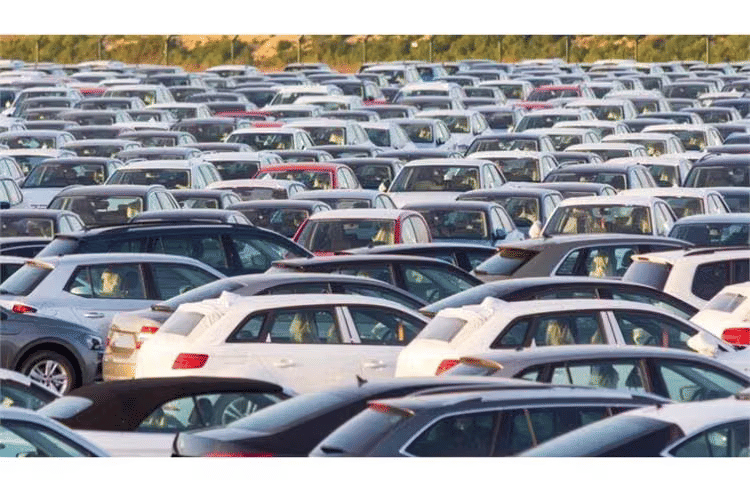
Automakers usually increase dealer inventories ahead of the festive period to prepare for stronger demand, with purchases typically picking up on the back of discounts, new model launches, and financing offers. Despite potential consumer hesitation driven by fluctuating fuel costs and ongoing vehicle price adjustments by major manufacturers to counter rising material expenses, September sales still managed to register an increase.
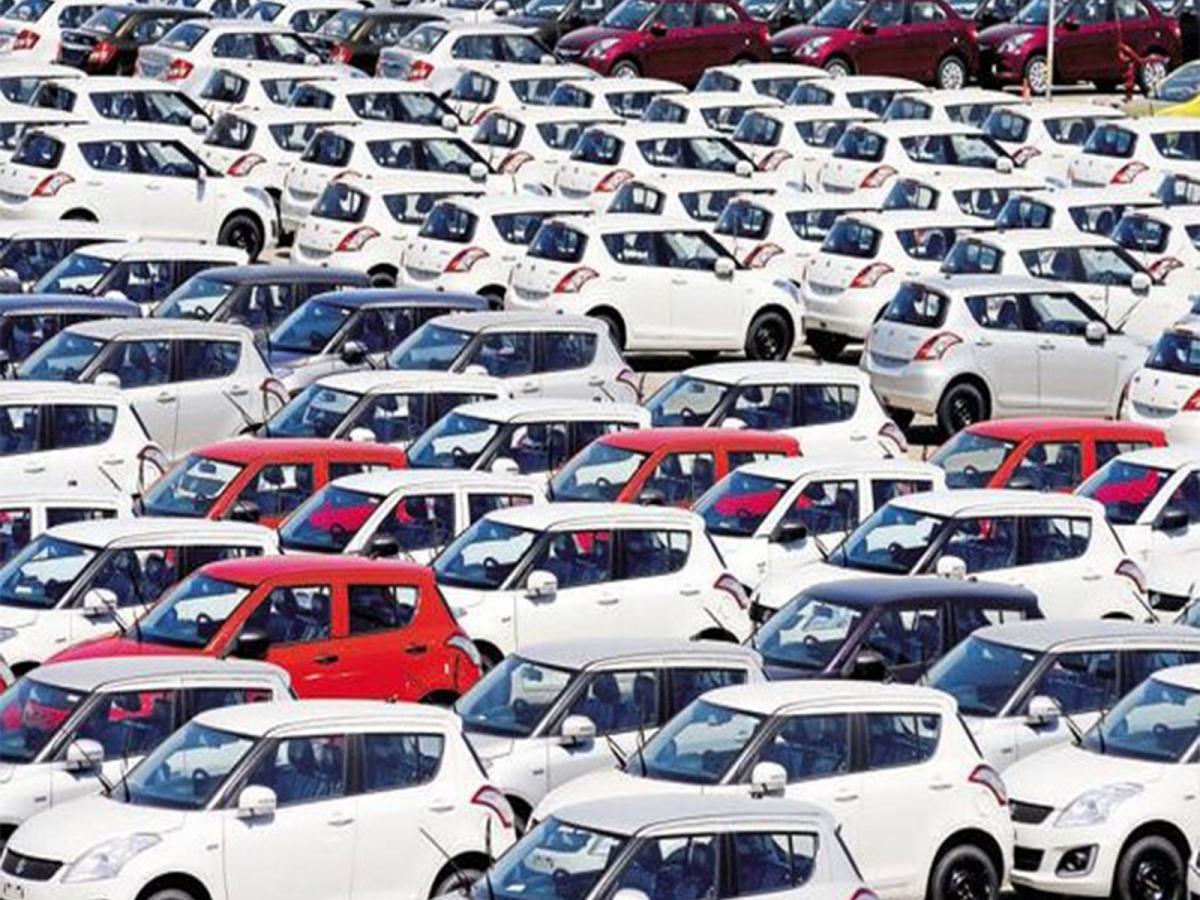
Dissecting the Low Base and Retail Distortion
Interpreting the raw year-on-year growth figures requires accounting for an unusual calendar shift in the previous year. Throughout September 2025, vehicle purchasing activity stayed subdued for the most part as consumers held out for the implementation of lower GST rates on September 22, before transactions surged dynamically as Navratri commenced. Reductions in GST rates implemented on September 22 of the previous year gave a substantial catalyst to vehicle interest during the festive period of 2025, particularly after buyers released their pent-up demand from deferred purchases.
Brokerages indicate that India's automotive sector is poised to wrap up September with strong figures across passenger cars, commercial transport, and two-wheelers, maintaining the upward trend witnessed through July and August. However, the year-on-year growth percentages will likely look disproportionately large due to an abnormally low comparative baseline.
Dealer surveys suggest strong demand continuing in Sep-26, with broad-based retail growth across segments, according to Nomura’s report. During October 2025, a revision in GST helped drive strong sales as passenger vehicle wholesales climbed 17.2 per cent year-on-year to 4,60,739 units compared to 3,93,238 units during the corresponding period of the previous year. Following a strong August, when passenger vehicle wholesales rose 36.5% to 4,39,309 units, the highest ever for the month according to the Society of Indian Automobile Manufacturers, the industry is preparing for a sustained demand throughout the season of Ganesh Chaturthi, Navratri, Dussehra and Diwali even as the industry is faced by the high base of last year. To achieve positive growth over last year’s exceptionally high baseline, the sector will need to post a substantial surge in sales figures.
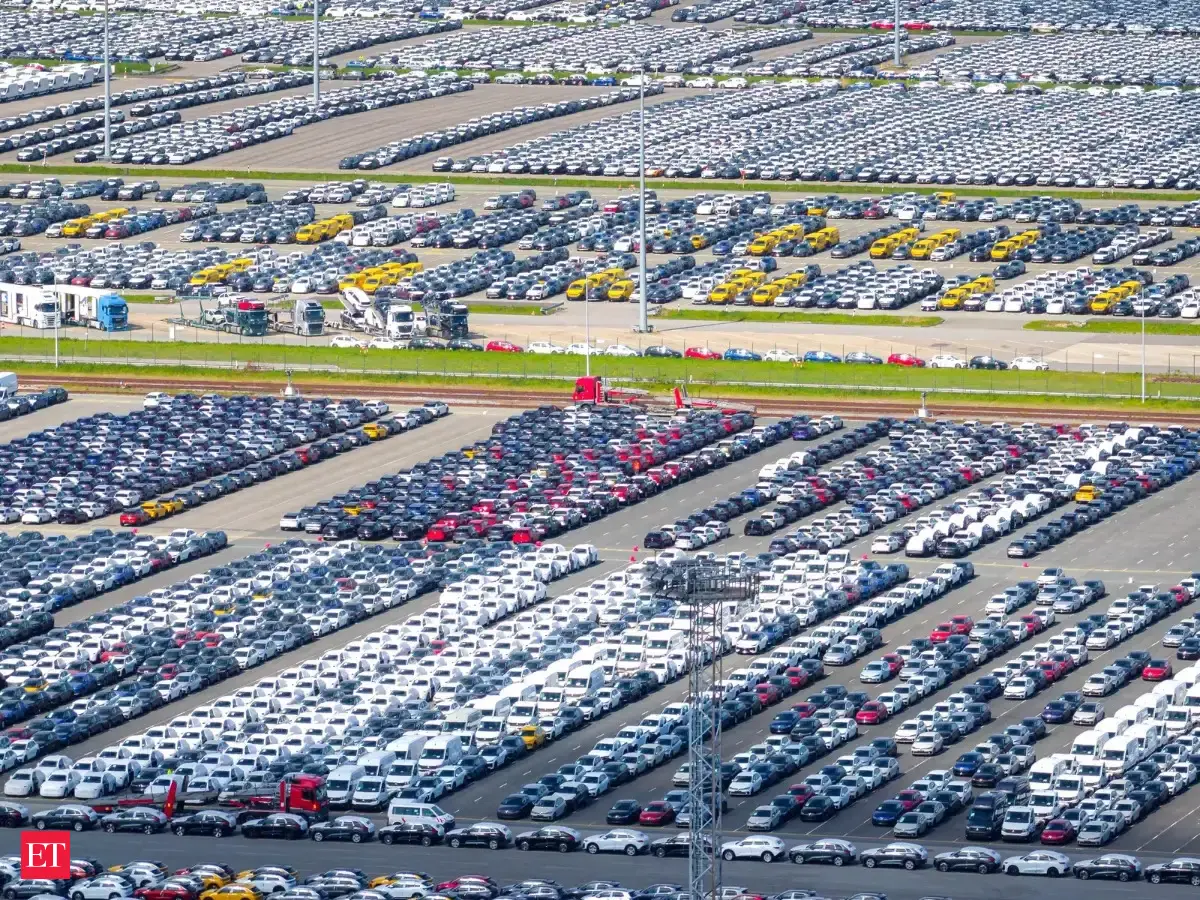
Segment Divergences and Rural Headwinds
While passenger vehicles and commercial operations enjoyed strong momentum, agricultural equipment segments faced distinct pressures. Mahindra & Mahindra reported that a decline in tractor sales weighed on the company’s overall performance. Escorts Kubota similarly highlighted tractor market softness, attributing the dip to tougher comparisons following the GST rate reduction in September 2025, as well as patchy monsoon conditions and relatively lower Kharif sowing impacting sales.
Even with price increases implemented by major brands to offset raw material expenses, manufacturers are betting that fresh product launches—including Hyundai Motor India opening bookings for its upcoming all-new Hyundai BAYON nameplate for India, festive discounts, and new models—will maintain consumer enthusiasm through the festive season. Driven by strong consumer uptake, total passenger vehicle sales are projected to hit approximately 53-54 lakh units, enabling the sector to potentially expand by more than 10 per cent throughout financial year 2027.
Keep reading
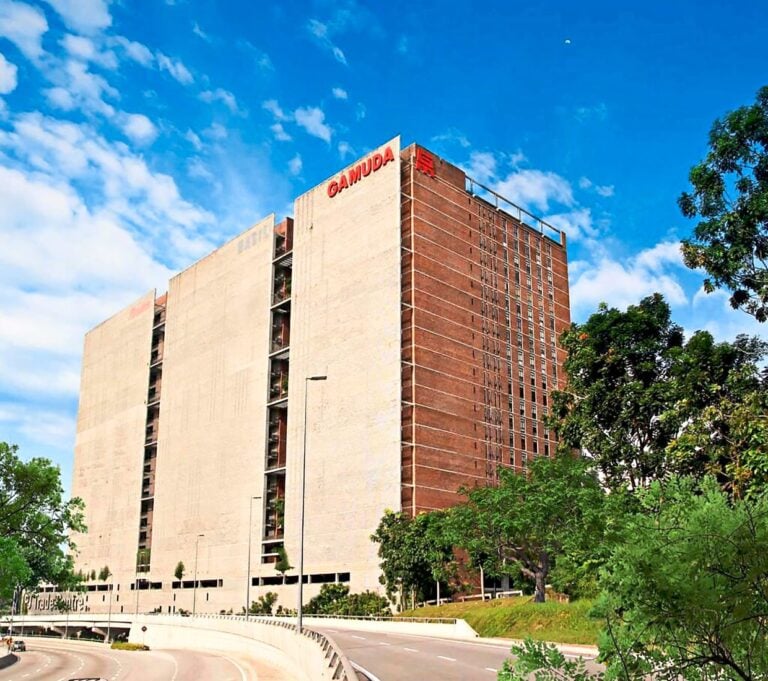
Gamuda Posts Record RM1.05B Profit on RM61B Order Book
Gamuda Bhd posted a fifth consecutive year of record earnings for the financial year ended July 31, 2026,...

Aliko Dangote And William Ruto Set To Break Ground On Lamu Oil Refinery
Nigerian billionaire Aliko Dangote and Kenyan President William Ruto are set to break ground on a $16 billion...
China Factory Activity Returns to Growth in September as AI Demand Rises
China's official manufacturing purchasing managers' index rose to 50.1 in September, ending a two-month contractionary streak as easing...

Gold Hits Seven-Week Low as Treasury Yields and Crude Oil Prices Surge
Gold hovered near a seven-week low on September 29, 2026, stabilizing after a sharp four per cent rout...