Immigration Authorities Clarify Border Disruption Reports
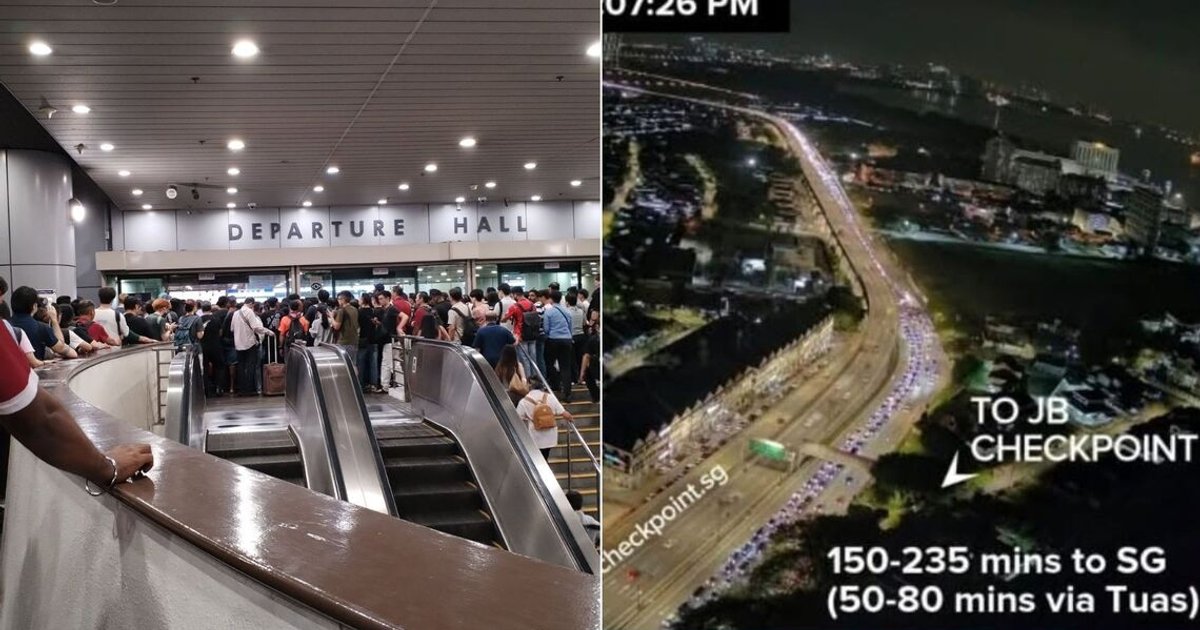
On November 4, social media and regional news outlets were flooded with reports of a massive power outage at the Woodlands Checkpoint, a critical artery connecting Singapore and Malaysia. The narrative was swift and alarming: a sudden failure in electrical infrastructure had supposedly paralyzed the border crossing, triggering a gridlock that rippled across major roads in Johor Bahru. However, as the Immigration and Checkpoints Authority (ICA) clarified on November 5, the reality on the ground was far more mundane—and significantly more complex—than a simple blackout.
The Straits Times reported that the ICA categorically refuted the claims of a power failure. Instead, the agency pointed to a combination of planned infrastructure maintenance and unfortunate mechanical failures that hit at the worst possible time. For the thousands of commuters, logistics operators, and cross-border travelers who rely on the Woodlands and Tuas crossings—which together processed nearly 245 million travelers in 2025—the distinction between a planned operational adjustment and a logistical bottleneck is more than just semantics. It is a matter of how one of the world’s busiest land borders manages its daily, massive surge in volume.
Scheduled Electrical Work Causes Lorry Queue Buildup
The confusion appears to have stemmed from scheduled electrical work conducted at the Old Woodlands Checkpoint on November 4. According to the ICA, these necessary upgrades took place between 10 a.m. and 2 p.m. While this maintenance temporarily suspended the clearance of arriving lorries at the Old Woodlands facility, the agency maintained that cargo clearance operations continued at the main Woodlands Checkpoint throughout the duration of the work. Despite this continuity, the shift in traffic flow resulted in a buildup of cargo vehicles along the Causeway, creating a ripple effect that became visible to those observing the border from the Malaysian side.
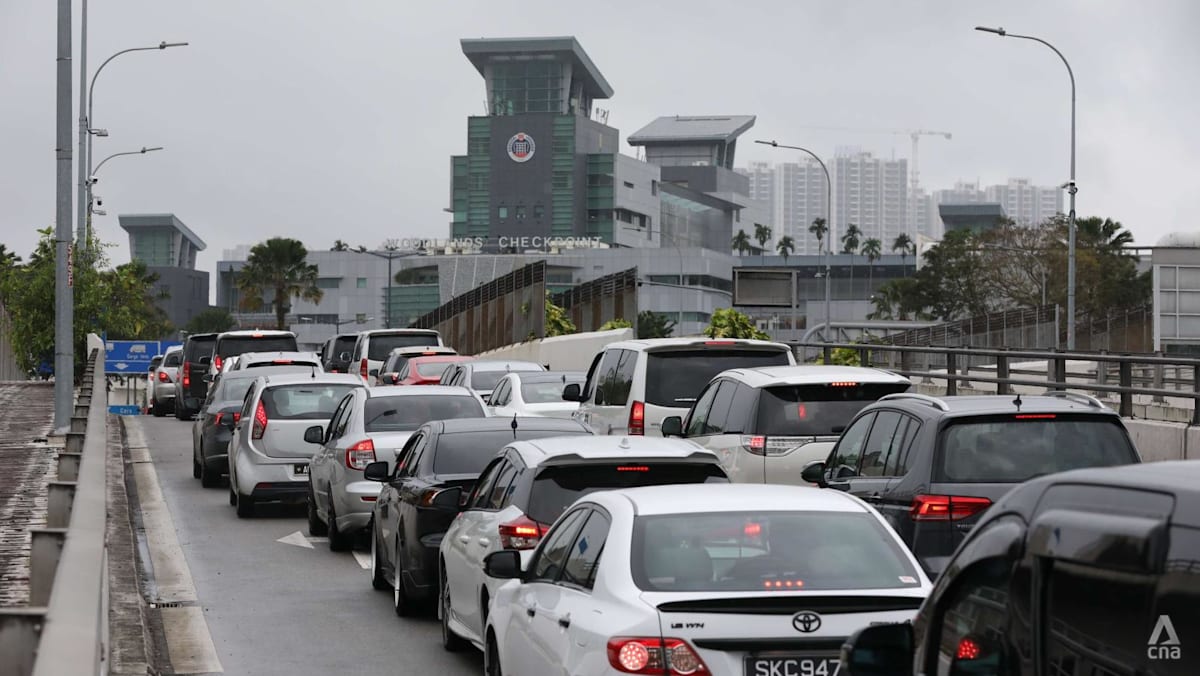
The situation escalated significantly later that afternoon. While the maintenance was completed and operations resumed at the Old Woodlands Checkpoint by 4 p.m., two separate vehicle breakdowns occurred on the Malaysian side of the Causeway. The first lorry broke down at approximately 4:30 p.m., followed by a second incident at 6:30 p.m. These two stalled vehicles effectively blocked one of the three available arrival lanes, turning a manageable peak-hour flow into a prolonged, frustrating delay for motorists.
Regional Media Reports Massive Power Outage
The narrative of a “massive power outage” was prominently featured in reports from The Star, which noted that the gridlock began around noon and persisted for several hours. The outlet suggested that despite all counters operating at optimal levels at the Bangunan Sultan Iskandar Customs, Immigration and Quarantine complex, the sheer volume of vehicles backed up from the Singapore side made the situation untenable. The Star also highlighted that at the time of their reporting, the exact cause of the supposed power failure remained unclear.
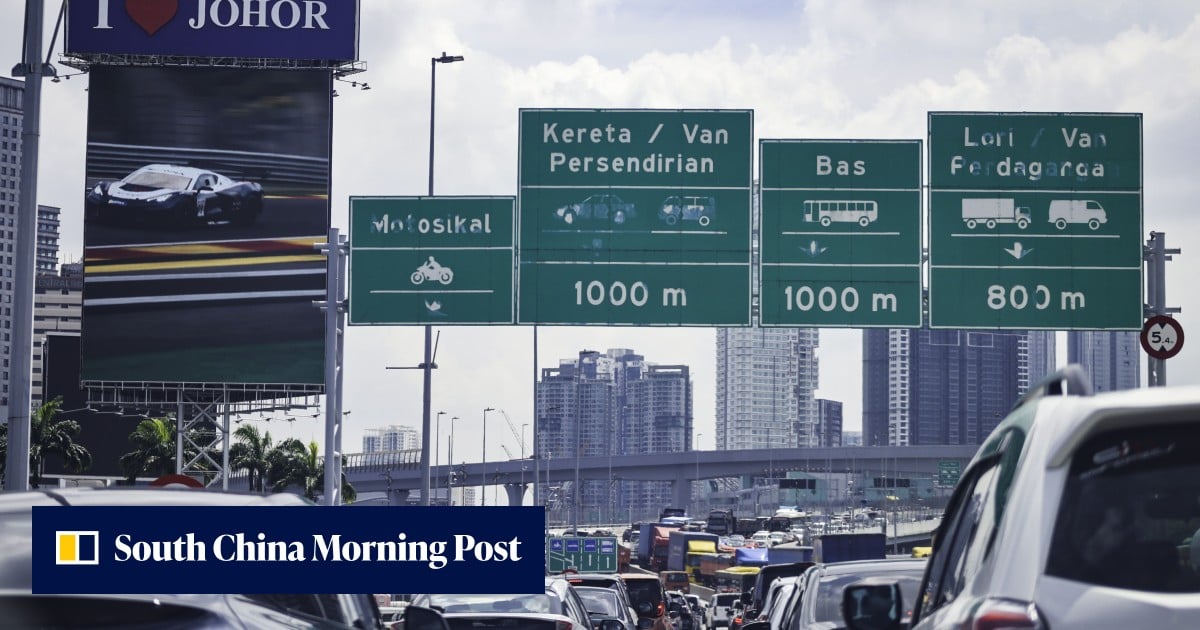
This report stood in sharp contrast to the official account provided by the ICA, which used its Facebook page to communicate real-time updates regarding the vehicle breakdowns and the resulting delays. By the time the first stalled lorry was removed at 9:50 p.m., and the second cleared by 12:20 a.m. on November 5, the backlog had already extended deep into Malaysian territory. The discrepancy between the "blackout" theory and the reality of the mechanical breakdowns highlights the volatility of the Causeway, where a single stalled vehicle during peak hours can disrupt the movement of tens of thousands of people.
Record Crossings Strain Vital Land Checkpoints
The stakes of these disruptions are exceptionally high. With land checkpoints accounting for roughly three in four travelers entering Singapore, the infrastructure is constantly pushed to its limit. Recent data from the ICA reveals just how intense this pressure has become; during the school holidays between September 4 and September 14, over 6.1 million travelers crossed the checkpoints. On September 4 alone, the border saw a record-breaking 599,000 crossings, surpassing the previous peak set in June. When the system is operating at such high capacity, even minor logistical hiccups—like the ones seen on November 4—can feel like a total breakdown of service.
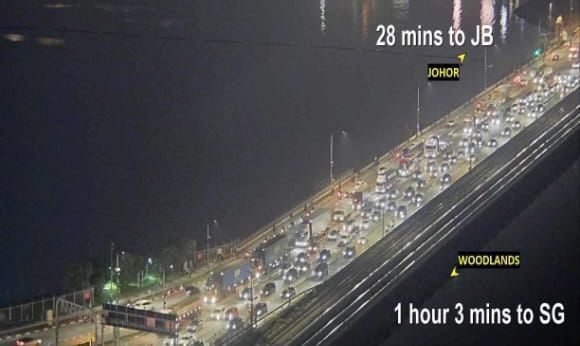
While authorities in Malaysia reportedly deployed additional police personnel and opened extra lanes to alleviate the congestion, the incident shows the fragile balance required to keep the border fluid. For the daily commuter and the logistics industry, the difference between a planned maintenance window and an unexpected gridlock is the difference between a predictable delay and a night spent idling on the Causeway. As traffic volumes continue to climb toward new records, the margin for error on the Singapore-Malaysia border continues to shrink.
Keep reading

DGIST Researchers Develop NONOS to Precisely Separate Brain Rhythms
New AI Signal Processing Refines Parkinson’s Deep Brain Stimulation Patients living with Parkinson’s disease may soon benefit from...

WHO authorizes Ebola vaccine trials for DRC Bundibugyo outbreak
The World Health Organization has authorized clinical trials for two new Ebola vaccines, ChAdOx1 BDBV and mRNA-1469, to...
South Africa to be suspended from AGOA starting January 2027
Washington Cuts South Africa Loose From AGOA as the Rand Holds Steady The rand barely flinched when Washington...
Cureus reports rare case: 25-year-old woman with fulminant endocarditis, AV block, and periannular destruction
Complete atrioventricular block shows up at diagnosis in only 2.8% of infective endocarditis patients, according to the 2023...