
The World Health Organization has authorized clinical trials for two new Ebola vaccines, ChAdOx1 BDBV and mRNA-1469, to address the ongoing outbreak in the Democratic Republic of Congo. These candidates specifically target the Bundibugyo virus, a strain not covered by the existing Ervebo vaccine, as health officials struggle to contain an epidemic that has claimed over 5,300 lives.
Expanding the Vaccine Toolkit in the DRC
The decision to broaden clinical trial criteria changes how the international community is responding to the Ebola outbreak. The Ervebo vaccine is approved for Ebola virus, but not for the Bundibugyo virus, which is ravaging the Democratic Republic of Congo.
WHO chief Tedros Adhanom Ghebreyesus confirmed that while an Ervebo trial commenced last month, the new candidates—developed by the University of Oxford with the Serum Institute of India, and by Moderna—are designed to address the specific viral strain. The trial is being led by the DRC’s National Institute for Biomedical Research, backed by partners including WHO.
The Human and Economic Stakes of the Outbreak
The urgency behind these trials is grounded in grim statistics. The Africa Centres for Disease Control and Prevention reports that the epidemic has resulted in 10,444 confirmed cases. With a fatality rate exceeding 50%, the impact is profound.
“Vaccines are powerful tools, but they are not substitutes for the proven measures that can save lives now: early care, contact tracing, isolation, safe and dignified burials and trusted engagement with communities,” Dr. Tedros Adhanom Ghebreyesus noted.
Evaluating the Role of Biotech Innovation
The two candidates are ChAdOx1 BDBV, developed by the University of Oxford with the Serum Institute of India, and Moderna’s mRNA-1469. Both were developed specifically for the Bundibugyo virus.
Next Steps for Clinical Monitoring
WHO expert groups are recommending adding the two vaccine candidates to the trial. The DRC’s National Institute for Biomedical Research is leading the trial, backed by partners including WHO, while Africa’s ongoing Ebola epidemic has killed more than 5,300 people, the vast majority of them in the Democratic Republic of Congo.

ICA Clarifies Woodlands Checkpoint Jam Caused by Maintenance, Breakdowns
Immigration Authorities Clarify Border Disruption Reports On November 4, social media and regional news outlets were flooded with...
South Africa to be suspended from AGOA starting January 2027
Washington Cuts South Africa Loose From AGOA as the Rand Holds Steady The rand barely flinched when Washington...
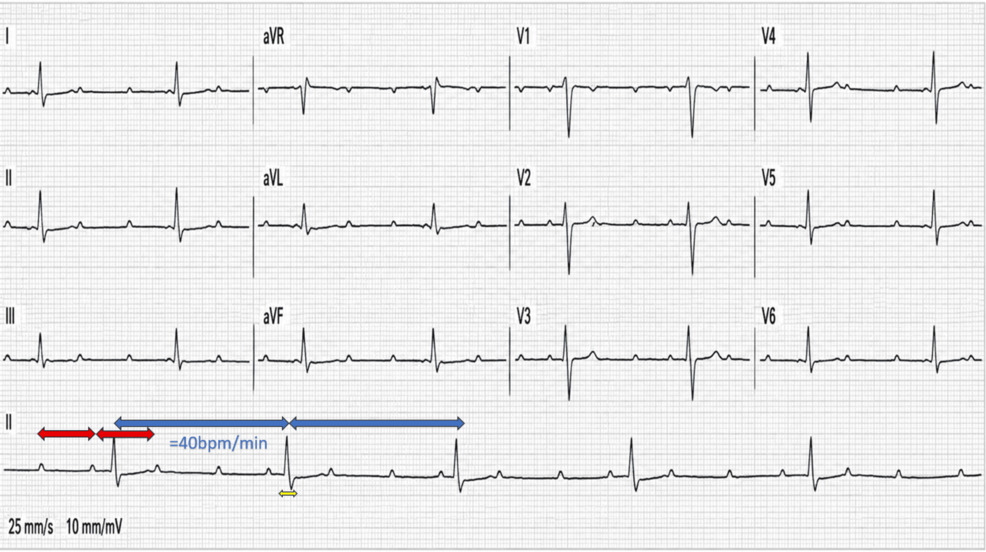
Cureus reports rare case: 25-year-old woman with fulminant endocarditis, AV block, and periannular destruction
Complete atrioventricular block shows up at diagnosis in only 2.8% of infective endocarditis patients, according to the 2023...

High Court to Hear Pauline Hanson’s Appeal Over Racial Discrimination Ruling
High Court Agrees to Hear Pauline Hanson's Racial Discrimination Appeal The High Court of Australia has consented to...