
When millions of observant Muslims begin the dawn-to-sunset fast during the holy month of Ramadan, many anticipate a shift on the scale. For years, public health discussions surrounding this period of intermittent fasting have focused heavily on fat loss and metabolic reset. Yet, a prospective observational study reveals a more nuanced physiological reality: the physical changes accompanying the fast are driven less by melting away body fat than by reductions in skeletal muscle mass and total body water.
Conducted in the Lifestyle Modification Clinic under the Department of Physiology at a tertiary care teaching hospital in Western Uttar Pradesh, India, the study tracked apparently healthy young adults observing Ramadan between February 18, 2026, and March 19, 2026. Researchers evaluated participants using a multi-frequency bioelectrical impedance body composition analyzer before the fast and within one week of its completion. The findings challenge the assumption that a drop in the scale automatically equates to a healthier body composition.
Tracking Body Composition Changes in Western Uttar Pradesh
The study followed participants with a mean age of 26.6 ± 8.5 years. Total body weight dropped significantly, moving from a baseline average of 65.79 kilograms down to 63.6 kilograms.
However, breaking down those numbers tells a different story about what is actually leaving the body. While weight fell across 77.8 percent of participants, fat-related parameters remained remarkably stable. Body fat mass, percent body fat, visceral fat levels, and waist-hip ratios showed no statistically significant changes. Instead, the lost weight was heavily accounted for by a decline in skeletal muscle mass, which dropped from an average of 26.77 kilograms to 25.18 kilograms.
Fluid compartments shifted concurrently. Intracellular water and extracellular water both declined significantly over the fasting period. Yet, the ratio of extracellular water to total body water remained untouched, pointing to a uniform reduction in fluid volume rather than localized fluid retention or dangerous electrolyte imbalances. Simultaneously, the resting metabolic rate showed a measurable drop, indicating a natural metabolic adaptation to prolonged daily caloric and fluid abstinence.
Intermittent Religious Fasting Affects Body Composition Based on Baseline Weight
These findings fit into a wider body of literature examining how intermittent religious fasting impacts human physiology across different populations. A comprehensive meta-analysis, which reviewed data from 70 publications and 2,947 participants, similarly noted that weight loss patterns depend heavily on baseline weight status. While individuals carrying excess weight often see reductions in fat mass, normal-weight populations frequently experience shifts in fat-free mass and water compartments.
Another free-living study in an Indian setting observed similar mean weight losses primarily driven by muscle mass adjustments among healthy subjects, alongside beneficial shifts in lipid profiles and liver function tests. Together, these investigations show that the human body adapts to daytime abstinence through complex shifts in metabolism, fluid balance, and tissue preservation.
For the young adults in the Western Uttar Pradesh cohort, the drop in resting metabolic rate highlights how the body conserves energy when deprived of food and water for 13 to 14 hours daily. Researchers emphasize that these insights point to the necessity of targeted nutritional intake during non-fasting hours. Ensuring adequate hydration, sufficient protein consumption, and sensible physical activity during the permissible eating windows can help individuals preserve lean tissue while participating in the traditions of Ramadan.
Related reading

Australian Survey: 57% of 18-35 Year Olds Report Sexual Strangulation
More than half of young adults surveyed in Australia recently reported experiencing sexual strangulation, a startling statistic that...
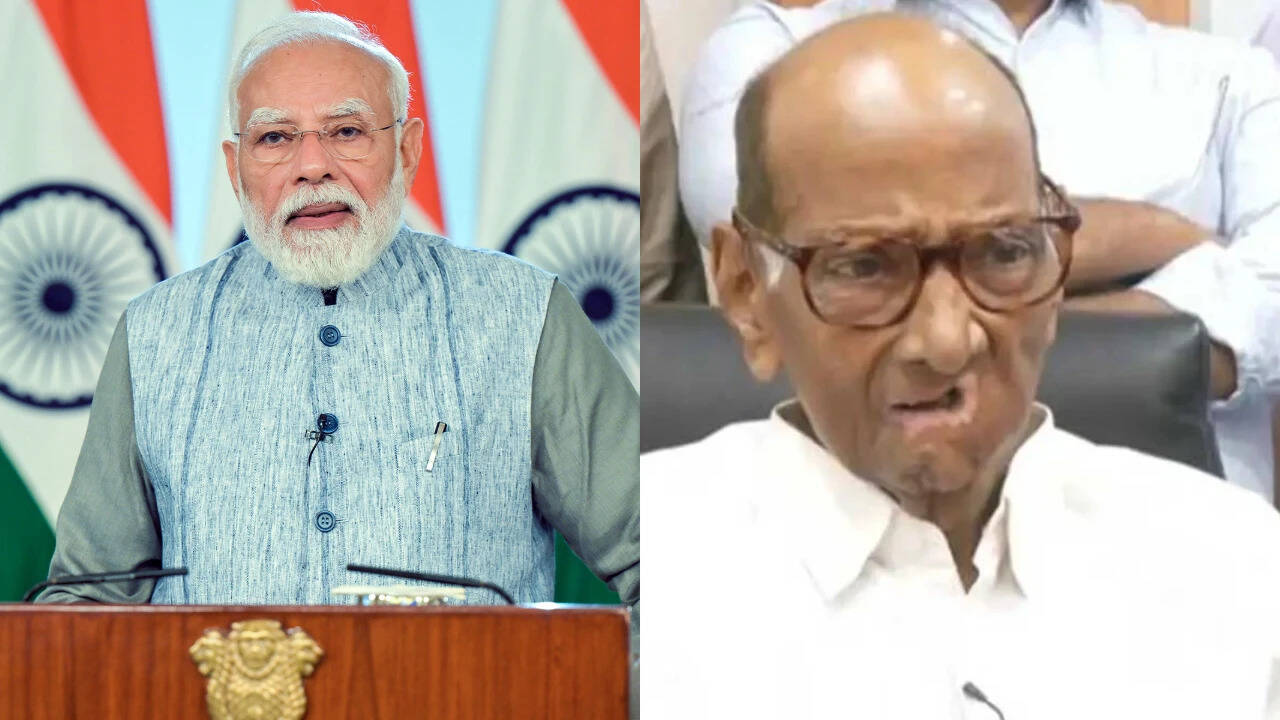
PM Modi Calls Sharad Pawar After Veteran Politician Is Discharged From Pune Hospital
Prime Minister Modi Telephones Sharad Pawar Following Hospital Discharge in Pune Prime Minister Modi called up Pawar Saheb...

Fossil Launches Signature CS-1 Swiss Watch Collection in India
Fossil has launched its Swiss-made Signature CS-1 watch collection in India, marking a strategic pivot toward the premium...

Over 1,000 Students Unite for SIS Games 2026 in Jakarta
More than 1,000 students from Indonesia, India, and Myanmar gathered across Jakarta today as the SIS Group of...