
Wyoming Voters Reject Proposition 1, Defeating Sweeping Property Tax Cut
Proposition 1 was voted down by Wyoming citizens on Tuesday, marking the defeat of a broad tax relief initiative that critics cautioned would severely damage the funding for public schools, special districts, and local county governments. WyoFile reported that while the measure came to the ballot with more than 30,000 signatures, its defeat illustrates that the appetite for drastic property tax cuts did not extend to a majority of voters on Election Day.
Annual property tax collections would have dropped by an estimated $92.6 million to $124.8 million under Proposition 1, which sought to exempt half of a primary residence’s assessed value from taxation. The measure needed approval from more than 50% of those voting in the general election to pass, with ballots left blank counting as no votes under state rules.
As of late Tuesday night, Associated Press results showed that with two-thirds of the vote counted, 55% of voters opposed Proposition 1, while 42% backed the measure. Cowboy State Daily noted that Laramie County voters opposed the measure 16,940 to 12,832, alongside similar or larger margins in Albany, Campbell, Natrona, Sheridan, Sweetwater, and Fremont counties, as well as tiny, right-leaning counties like Crook, Weston, and Washakie.
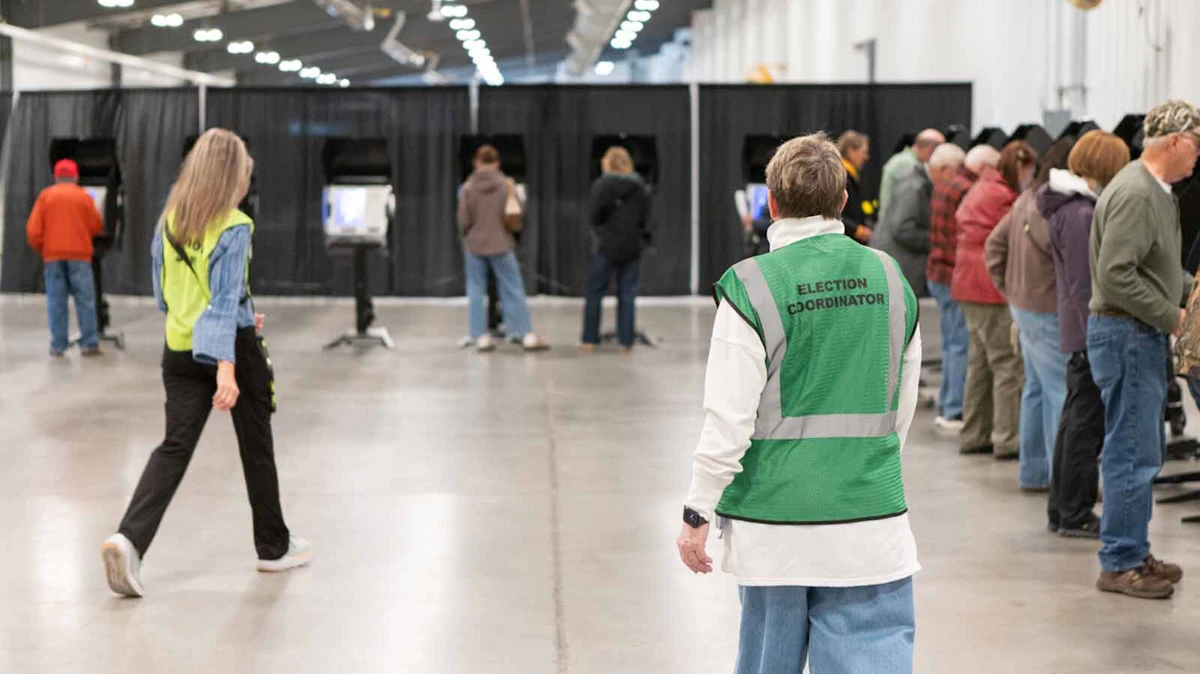
Weighing Homeowner Relief Against Local Budgets
The ballot initiative followed a pattern of rising home costs and property taxes starting in 2021. In Park County, the average homeowner saw tax bills jump over 60% in three years, driving a search for relief that led two-time gubernatorial candidate Brent Bien, former campaign manager Richard Weber, and former Wyoming Republican Party state committeewoman Cheryl Aguiar to spearhead a petition effort in late 2023.
Secretary of State Chuck Gray certified the initiative on January 2, 2025, after verifying 30,251 valid signatures. Yet, as the proposal moved toward the ballot, the Wyoming Legislature enacted its own targeted relief. Lawmakers passed five bills in 2024 and followed up in 2025 with a measure creating a 25% exemption on the first $1 million of a primary residence’s fair market value.
Unlike those legislative fixes, Proposition 1 contained no value cap. The Legislative Service Office estimated that roughly 25% of the benefit would have flowed straight to residents of Teton County, home to high-value properties like Jackson Hole condominiums worth more than $7 million. Because Teton’s sizable revenue streams traditionally help subsidize K-12 schools in poorer Wyoming counties, the lack of a cap worried fiscal analysts.
Opponents Unite and Raise Millions Against Ballot Measure
Opposition to the ballot measure solidified into a well-funded, organized movement. The Vote No on Prop 1 coalition reported nearly $2 million in contributions, including a $1.4 million donation from the National Education Association. Prominent figures from across the political spectrum, including Democratic former Gov. Dave Freudenthal and Republican Gov. Mark Gordon, lined up against the initiative.
“The voters have spoken and tonight was a big win for the hard-working families of Wyoming,” Kim Amen, chair of the Vote No on Prop 1 Coalition, said in a statement. “We hope and trust that state lawmakers will listen to the will of the voters, who said loudly that critical services like our public schools, first responders, road repairs, and libraries should receive the funding they need and that Wyoming families deserve.”
The Wyoming Taxpayers Association warned that counties like Lincoln, Park, and Fremont would have faced revenue cuts exceeding 40%. Fire departments, county treasurers, and the Wyoming Hospitals Association joined the chorus, arguing that local authorities would be forced to freeze hiring, shutter libraries, or scale back park maintenance.
Supporters of the initiative, including the Wyoming Republican Party’s Central Committee and allies of the far-right Wyoming Freedom Caucus, countered that opponents relied on a fear-driven campaign strategy that exaggerated the measure’s impact. BCR Voter Initiatives, the political action committee led by Bien, Weber, and Aguiar, reported contributions of less than $4,000.
The defeat adds to a challenging cycle for the Freedom Caucus, which lost majority control of the House and lost ground in the Senate during the August primaries. For now, local school districts, county road crews, and municipal services retain their primary funding source as the state continues grappling with the long-term pressures of residential real estate valuation.
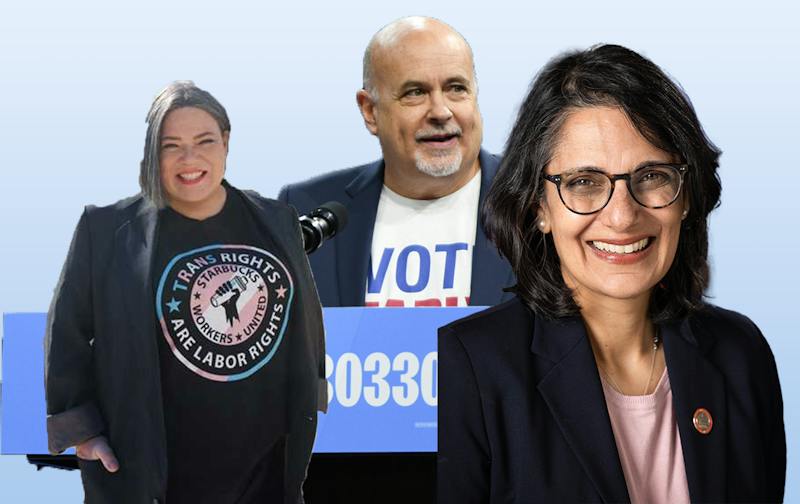
Mayadev, Pocan and Martinez-Rutherford Retain Madison Democratic Seats
Democrats Secure Madison Legislative Seats in Tuesday Elections Democratic candidates swept key legislative races across Madison on Tuesday,...

Cheyenne begins restoration of historic Pumphouse following May fire
Legacy Construction Group begins roof replacement at Cheyenne Historic Pumphouse Efforts to protect the 130-plus-year-old Cheyenne landmark are...

South Florida Voters Head to Polls Despite Flooding and Rain in 2026 Midterms
Flash Flooding and Relocated Precincts Fail to Halt South Florida Midterm Voters Flash flooding across central and South...
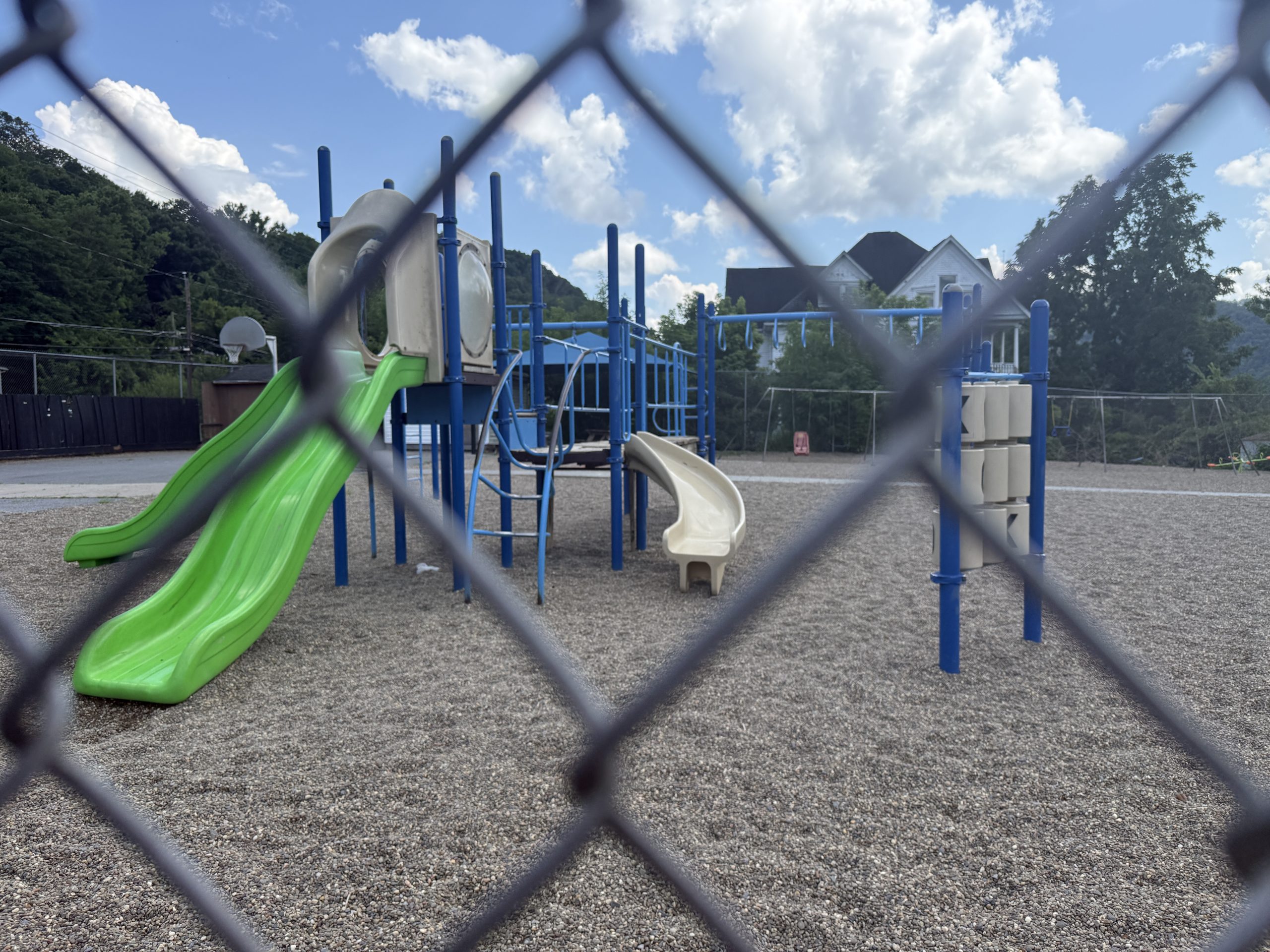
West Virginia Voters Approve School Levies in Four Counties
Voters in Jackson, Kanawha, Marshall, and Mason counties chose to raise their own property taxes on Tuesday to...