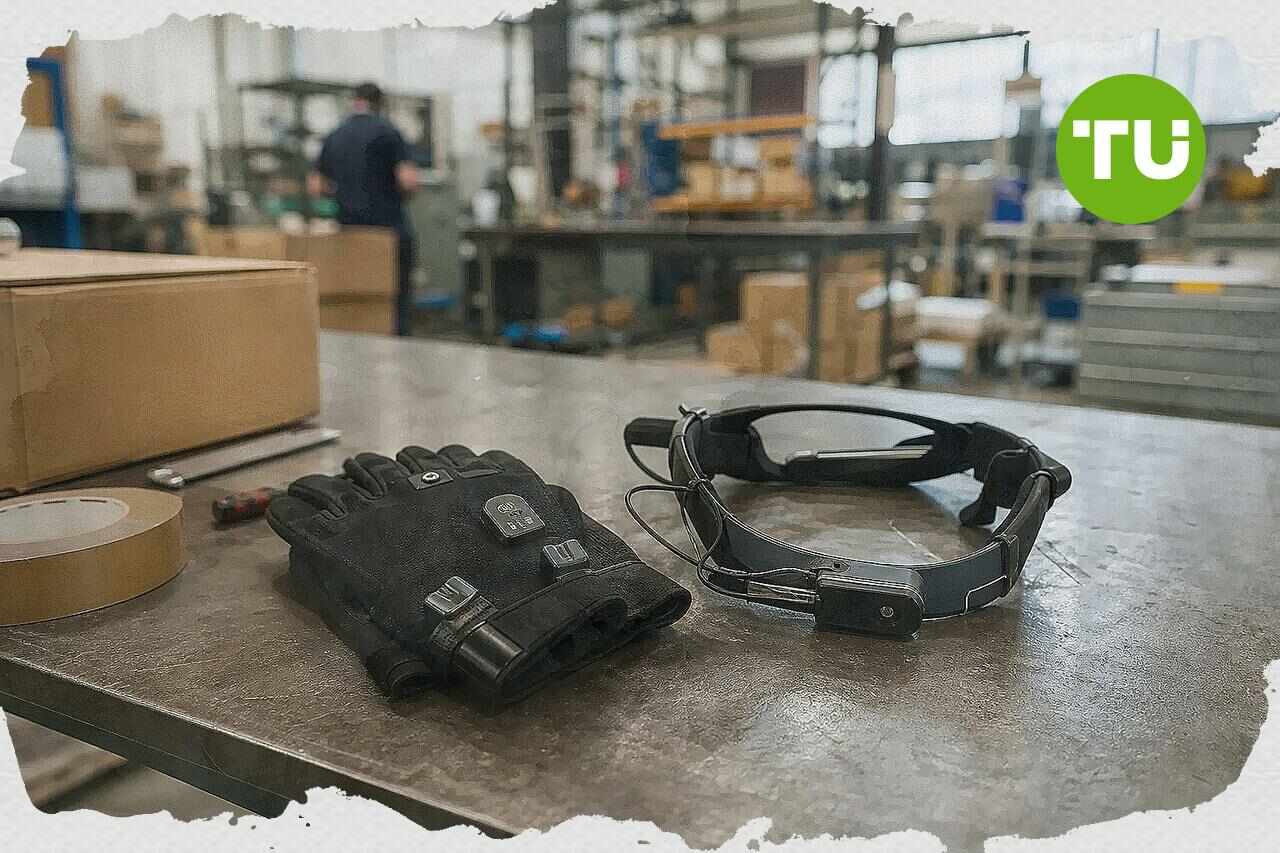
Textile and domestic workers across southern India are wearing GoPros and smart headsets to record daily chores, capturing first-person training data to teach AI robots manual labor as global venture funding for robotics surges.
Tech companies and robotics startups are racing to acquire training datasets to teach automated systems physical skills. Across southern India, everyday workers find themselves thrust into the center of this data boom as domestic and factory laborers are enlisted to record their hand movements, often without realizing the footage will train the very machines built to replace them.
Texworth Factory Floors in Karur Capture Apron Packaging Footage
In the southern Indian city of Karur, three men recently walked across a textile factory floor at Texworth, handing GoPro cameras and smart glasses to workers. Among them was 40-year-old Shoba Kirubakaran, who spends her days packing yellow aprons decorated with chickens into plastic wrapping for the brand Designs By Danica according to reporting from WLIW.
It marked the third time Kirubakaran had been instructed to wear a GoPro. The device recorded every hand gesture to train AI robots to take over her tasks—a detail she states the company never shared with her prior to journalist interviews. Having worked in the factory six days a week from approximately 9 a.m. to 6 p.m. for a decade, she earns $90 a month to help support her family.
Nobody told me anything about it.
Shoba Kirubakaran, textile factory worker via WLIW
Kirubakaran added, I only know how to do this job.
Similar scenes gained attention across India after a viral video showed rows of textile factory workers wearing recording headsets. Another outlet warned that footage showed real changes happening on factory floors across India, while AsiaNet News reported that Indian workers were training AI robots to take their jobs.

Global Robotics Funding Reaches $33.4 Billion
In the first half of this year, worldwide investor backing for robotics climbed to $33.4 billion, already outstripping the $28.7 billion secured throughout the entirety of 2025.
Offering up to $30 an hour, enterprises like Mecka AI, Human Archive, and Microagi’s Shift are gathering data from upwards of 35,000 contributors spread across more than 30 nations, with the goal of reaching $10 million in compensation disbursements by 2026.
Demand for robot training data has grown tenfold over the past year, according to Encord data cited in industry reports. According to Mordor Intelligence, the market for AI training datasets is expected to expand from $11.9 billion in 2024 to $49.8 billion by the year 2031. Figure committed more than $1 billion to data and computing over the 12 months beginning August 25, 2026, according to details published by The Rundown AI.
Objectways Kitchen Setups and Domestic Data Collection in India
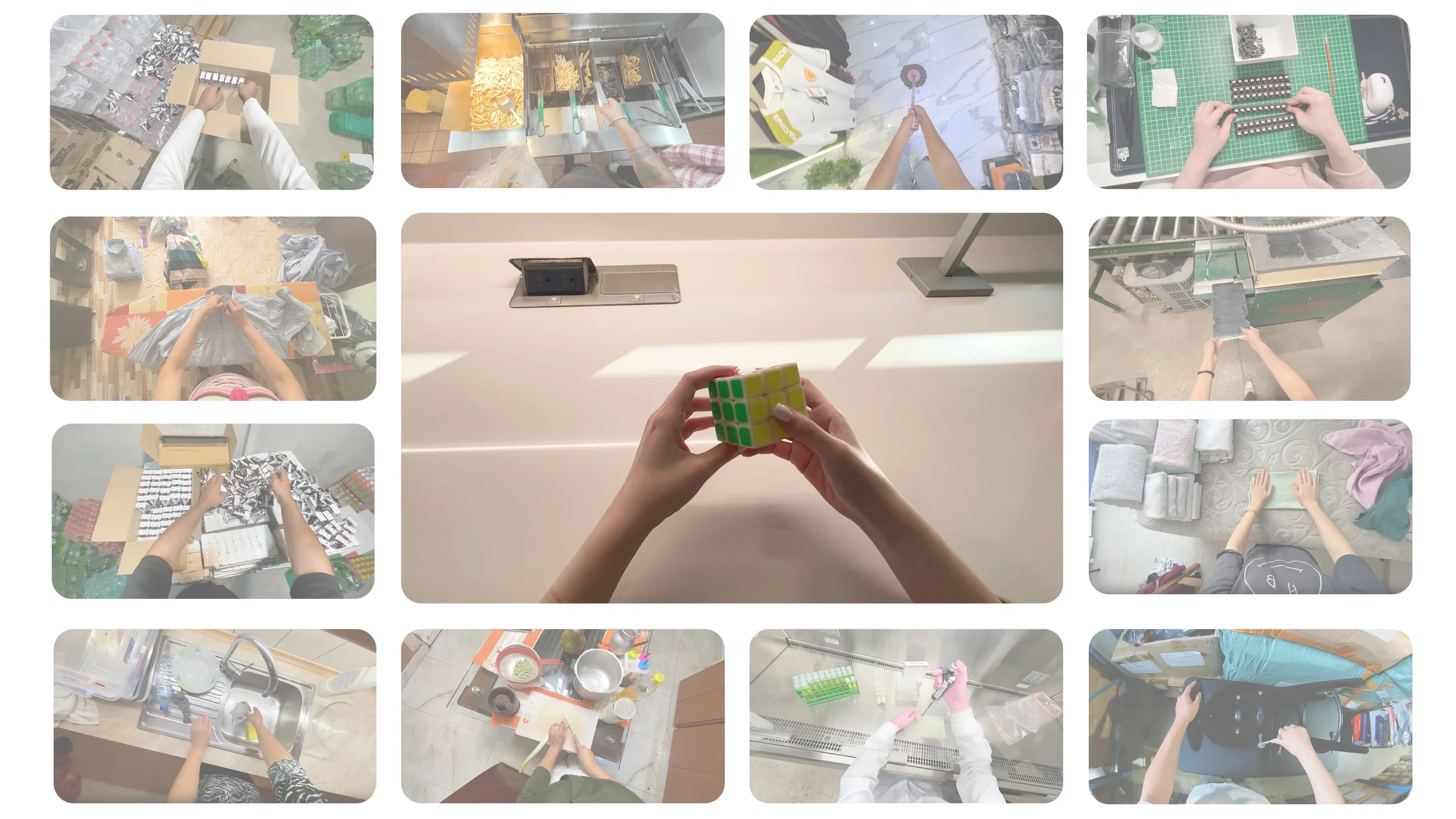
Data collection extends beyond textile plants into simulated home environments. Up a flight of stairs at Objectways, employee Rajeshkumar Ramaswamy oversees rooms kitted out like Ikea-style three-bedroom houses where workers record domestic chores. In a simulated kitchen, a woman named Rani N. recorded herself chopping onions.
Because most clients requesting first-person domestic recordings are based in the United States, Objectways also pays Americans to record housework so robots can learn region-specific behaviors. Ramaswamy explained that a robot trained to pick up a stainless steel plate commonly used in India might apply too much pressure if handling a ceramic plate preferred in the U.S., causing it to break apart.
Young men with GoPro cameras strapped to their heads record themselves doing jobs while holding and manipulating what look like grippy robot claws. She makes $90 a month.
Economic Uncertainty and Technical Hurdles Facing Robot Deployment
Amit Basole, an economics professor at Azim Premji University, questioned whether policymakers possess the agility required for training, retraining, and absorbing workers into new occupations. Other industry participants note that high hardware costs and power consumption present major barriers in regions with unreliable electricity.
Kapoor of the Aapti Institute noted that robots remain expensive to run, explaining that clients primarily seek automation for tasks where human labor is difficult to source, such as tapping rubber trees, clearing dust from rural solar panels, or destemming chillies for processing.
Also wearing a GoPro while packing aprons at the textile mill, Periyasaamy noted that she has spent three months training machines on quality checks and folding procedures, planning to eventually transition to raising cattle on her family’s small plot of land, according to 42-year-old Kannagi Periyasaamy.
Nvidia CEO Unveils Digital Twin Vision For Manufacturing
As industrial automation shifts from digital screens to the physical world, specialized robotics and edge compute systems are...

Publishers Pivot to AI, Subscriptions, and Team Reorgs
Publishers are aggressively rewriting their strategies to survive the Google Zero post-search era by launching LLM subscriptions, reorganizing...

Retired Penn professor emeritus arrested for blocking Uber Eats delivery robots
A 78-year-old professor emeritus at the University of Pennsylvania was arrested in Center City Philadelphia after repeatedly blocking...

Google DeepMind’s Gemini 4 agents defeat Minecraft’s Ender Dragon after 605 deaths
Four autonomous artificial intelligence agents powered by Google's Gemini 4 Argon model have successfully completed Minecraft from scratch...