
Researchers at the University of Cincinnati and UC Davis have demonstrated a preclinical proof-of-concept for an experimental gene therapy targeting hydrocephalus. Tested in adult animal models, the adeno-associated virus therapy reduces cerebrospinal fluid production at its source, successfully preventing brain edema.
Targeting Cerebrospinal Fluid Production at the Source
Hydrocephalus has long relied on a blunt mechanical fix: a silicone shunt designed to drain excess cerebrospinal fluid from the brain to elsewhere in the body. While these devices can relieve pressure, the surgery is invasive and the hardware is notoriously prone to failure, often forcing patients into a lifetime of repeated operations. Endoscopic procedures to cauterize parts of the choroid plexus offer an alternative, but they fail to significantly lower overall fluid volumes and carry substantial safety constraints.
An experimental gene therapy developed by a team at the University of Cincinnati College of Medicine aims to turn down the tap itself instead of merely draining the accumulation. The approach utilizes a modified adeno-associated virus to deliver genetic material directly into the epithelial cells of the choroid plexus, the specialized tissue responsible for manufacturing cerebrospinal fluid.
It efficiently targets the correct cells and reduces CSF production.
Aleksandr Taranov, lead author and postdoctoral fellow
Because the choroid plexus sits directly at the interface between blood and cerebrospinal fluid, precision is paramount. The viral vector must disable fluid-producing cells while leaving surrounding neural structures completely unharmed.

Animal Model Testing and Prevention of Brain Edema
To evaluate how the treatment performs in living systems, the Cincinnati research group teamed up with neurosurgery researchers at UC Davis. Investigators induced hydrocephalus in adult animal models and administered the experimental therapy to measure its therapeutic capacity.
The treatment proved effective at preventing edema, curbing the accumulation of excess fluid that invades brain tissue outside the ventricles. Uncontrolled fluid invasion into surrounding tissue serves as a primary driver of neurological injury in hydrocephalus patients. To validate the outcomes objectively, the Cincinnati team conducted a blinded analysis of MRI data supplied by the UC Davis laboratory, confirming that treated models showed a marked reduction of fluid in brain tissues.
Showing that choroid plexus ablation reduces brain swelling does more than point to a new therapy. It sheds light on the mechanisms behind hydrocephalus and the brain injury it causes, knowledge that is critical for developing better treatments.
Olga Chechneva, project scientist at UC Davis
Potential Clinical Delivery Through Existing Shunts
The mechanics of the treatment also point toward a simplified clinical workflow. Because a significant portion of hydrocephalus patients already live with implanted drainage hardware, the research team suggests the viral therapy could theoretically be introduced straight through an existing tube.
Administering the treatment via an indwelling device would bypass the need to open the skull or thread surgical endoscopes deep into the brain’s ventricles. This would allow a much less invasive path for a condition historically bound to heavy surgical intervention.

Hydrocephalus is a life-threatening condition, and our treatment options are surprisingly limited and outdated. Shunt treatment frequently fails, and alternative endoscopic treatments are not possible for many patients. We are eager to contribute to the preclinical development and safety testing of new, cell-targeted approaches to treat this devastating condition.
Cameron Sadegh, pediatric neurosurgeon-scientist and assistant professor at UC Davis
Evaluating Neurogenesis Trade-Offs and Next Research Steps
Suppressing cerebrospinal fluid creation introduces complex biological questions regarding normal brain development and maintenance. The fluid plays a known role in postnatal neurogenesis, the generation of new neurons within memory-associated brain structures like the hippocampus.
Initial trials in animal models indicate that dampening fluid production moderately suppresses the brain’s capacity to generate new neurons. While this reduction raises concerns for memory networks, researchers emphasize that conventional hydrocephalus management already burdens patients with a lifelong hazard of recurring cognitive decline driven by repeated brain operations. Investigators from both institutions hold a pending patent related to choroid plexus ablation as a therapeutic strategy.
Future development will scale the testing into larger animal models and human tissues before any human clinical trials can be considered.
This is continuous work.
Agnes (Yu) Luo, College of Medicine professor and corresponding author
Worth a look

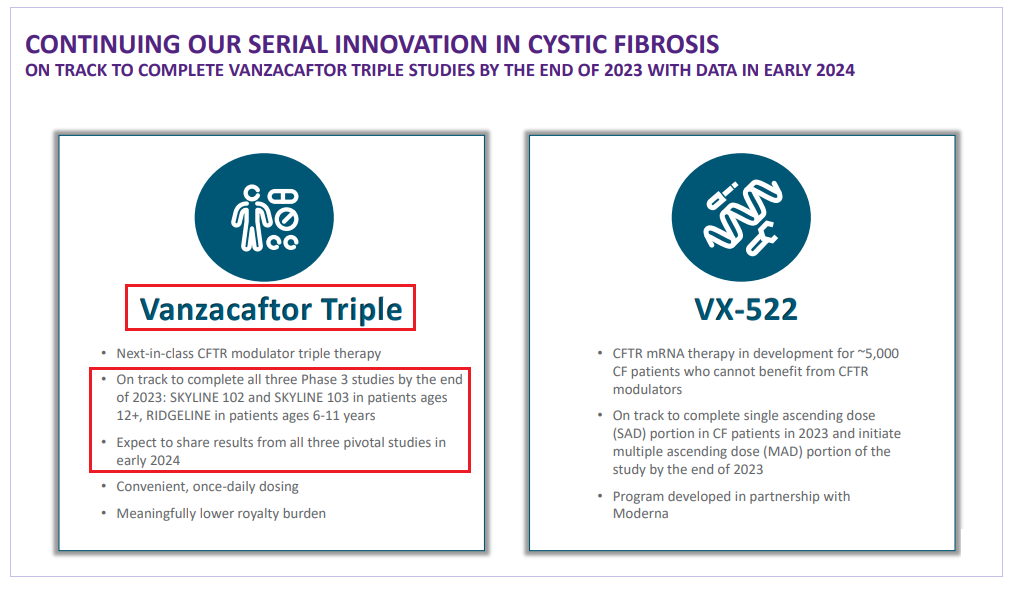
Vertex Backs Research on Early Cystic Fibrosis Intervention
Nonsense mutations account for about 10% of cystic fibrosis cases, while new preclinical research published on September 29,...

Tanzania Implements Mandatory Health Declarations for Travelers
Tanzania has instituted mandatory online health declarations and strict 21-day traveler monitoring under Travel Advisory No.

CHMP Recommends Extended H5N1 Vaccine Use for Adults
European regulators recommended expanding AstraZeneca's intranasal H5N1 pandemic flu vaccine to include adults, removing an upper age limit...