
A mandatory housing order for all poultry and captive birds takes effect across Ireland on Monday, November 23, after the Department of Agriculture confirmed highly pathogenic avian influenza in two dead wild swans found in County Offaly.
The detections, confirmed as the H5N1 strain, triggered the immediate escalation of biosecurity rules that had been introduced only days earlier. Minister for Agriculture, Food and the Marine Martin Heydon announced the compulsory housing measure Thursday, citing the Offaly cases alongside an outbreak at a commercial farm in County Tyrone that forced Northern Ireland authorities to cull 24,000 birds this week.
“This detection of avian influenza in two wild birds reiterates the current high risk of avian influenza to the poultry industry,” Heydon said. “All flock owners, whether they have commercial farms or a few backyard hens, should implement stringent biosecurity measures to mitigate the risk of the disease spreading to their flocks.”
An Avian Influenza Prevention Zone has been announced across NI. Dr Henrietta Kodilinye-Sims @poultry_vet chats about what signs to look for in your flock. More info: https://t.co/6z880doVNd #AvianInfluenza pic.twitter.com/unDopzin6g
The order requires every bird keeper — from large-scale producers to hobbyists with backyard hens — to house or confine their flocks so they cannot access other poultry, captive birds, or wild birds. It mirrors a restriction already in force in Northern Ireland since Thursday and follows new baseline biosecurity regulations that took effect on November 18.
“Given the recent poor weather and drop in temperatures, alongside the evolving epidemiological situation on the island, the risk of avian influenza to our poultry is increasing. I am taking this timely action to reduce the threat to our poultry industry and to our farmers’ livelihoods.”
Heydon said, adding that his department is coordinating closely with Northern Ireland’s Minister of Agriculture, Environment and Rural Affairs, Andrew Muir.

The two swans were reported by the public through the Department’s Avian Check App, a surveillance tool that has seen increased submissions in recent weeks. “Two dead wild swans, which were reported to us in Offaly through the app, have tested positive for H5N1 avian influenza virus,” Heydon said.
Health officials maintain the risk to the general public remains low, though it is considered low to medium for those with occupational exposure. The Health Protection Surveillance Centre advises against handling sick or dead wild birds and urges the public to continue reporting findings via the app.
👉Mandatory housing measures for all kept birds and poultry is now in place across Northern Ireland. Surrey Poultry Vet Dr Henrietta Kodilinye-explains what this means for birdkeepers. More info: https://t.co/95f0aGiUOe #AvianInfluenza pic.twitter.com/qSPNU2RyN8
Clinical signs for flock owners to watch for include a swollen head, discoloration of the neck and throat, loss of appetite, respiratory distress, diarrhea, and a drop in egg production, though presentation varies by species. Any suspicion must be reported immediately to the Regional Veterinary Office or, outside business hours, to the National Disease Emergency Hotline at 01 492 8026.
The Tyrone outbreak, confirmed at a commercial premises, prompted Northern Ireland’s Department of Agriculture to establish a 3-kilometer protection zone and a 10-kilometer surveillance zone around the infected site, with a cull of all 24,000 birds on the premises ordered. That event, combined with the migratory season and colder temperatures allowing the virus to persist longer in the environment, drove the all-island risk assessment upward.
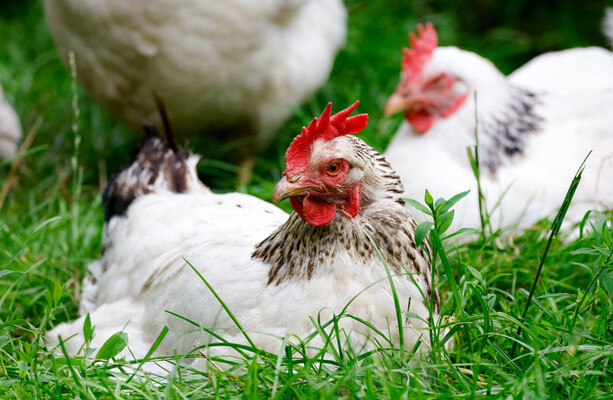
“Biosecurity remains the single most effective way to prevent the virus spreading from wild birds into poultry, or between poultry flocks,” Heydon said. “All those who are poultry or kept bird owners, regardless of flock size, must take strict precautions and exercise the highest standards of biosecurity to protect their flocks from the threat of avian influenza, and to protect the poultry sector in Ireland.”
Martin Heydon, a native of South Kildare who lives on his family farm, was first elected as a TD for Kildare South in 2011.
He chaired the Fine Gael parliamentary party from 2016 to 2020 before serving as Minister of State at the Department of Agriculture, Food and the Marine with responsibility for Research and Development, Farm Safety and New Market Development from 2020. He was appointed to his current role as Minister for Agriculture, Food and the Marine in January 2025.
Further information and technical guidance are available at gov.ie/birdflu.
The increased biosecurity arrangements for the poultry sector go some of the way towards what is needed. Given the risk, a housing order should be introduced by Minister @martinheydonfg without delay.https://t.co/uWapvIhDoa
Keep reading

Two Men Jailed Over Sydney Street Incident After Conspiracy Acquittal
Two men sat in a stolen car on a quiet Sydney street in July, waiting for John Ibrahim,...

BepiColombo Plans Mercury Orbit Capture After Eight-Year Journey
After eight years and six billion miles, the BepiColombo spacecraft is about to become only the second mission...
Crufts Match Leads to Rare Pharaoh Hound Litter After 3,500-Mile Breeding Effort
Six newborn pharaoh hounds arrived in Hungary on November 18, a litter bred from a matchmaker’s nudge at...

Dr Steve Allder Says Gaming Engages Multiple Brain Networks
Millions of players are clearing schedules for Thursday's launch of Grand Theft Auto VI on PlayStation 5 and...