
Post-Election Market Volatility and the Jobs Report
The American labor market faces a critical inflection point as the October jobs report arrives against a backdrop of post-election uncertainty and a pronounced selloff in equity markets. Investors are closely monitoring whether hiring velocity recovered in October following a tepid September, a metric that serves as a primary indicator of whether the U.S. economy can sustain growth amid persistent inflationary pressures. While the Federal Reserve continues to navigate a complex macroeconomic environment, the discrepancy between wage growth and the cost of living remains a significant drag on consumer sentiment.
The Bottom Line:
- October payroll data will determine if the labor market is cooling or merely experiencing a temporary seasonal lull.
- Inflationary pressures continue to outpace nominal wage gains, effectively eroding disposable income for the median household.
- Market volatility has intensified as institutional investors reprice risk in the immediate aftermath of the election cycle.
The Bureau of Labor Statistics data, slated for release, will provide the definitive look at whether the private sector has maintained its appetite for new hires. Any significant margin compression in corporate earnings reported during the recent cycle suggests that businesses are increasingly cautious about expanding headcount. For the average American, this translates to a tighter job market where wage growth may struggle to keep pace with the elevated costs of essential goods and services.
Persistent Fuel Costs and Congressional Constraints
Despite campaign promises from Democratic leadership to provide immediate relief from high fuel prices, the reality of the energy market remains dictated by global supply chains and geopolitical volatility. Analysts note that even a cessation of hostilities with Iran would not result in an immediate price correction at the pump. The energy sector is currently caught in a liquidity trap where supply-side constraints prevent the rapid price drops that consumers demand.
Congress maintains limited legislative levers to influence retail fuel prices in the short term. Because energy markets are global, the domestic policy impact is often lagging, leaving retail prices elevated for months regardless of federal intervention. Institutional investors are watching the energy sector for signs of capital expenditure shifts, as major oil and gas players prioritize shareholder returns over aggressive production increases that would necessitate a significant drop in commodity prices.
Judicial Intervention in the Washington D.C. Arch Project
President Trump’s plan to construct a 250-foot arch in Washington, D.C., has hit a significant legal hurdle. A federal judge has blocked construction for a 14-day period, a move that signals the beginning of a larger conflict regarding the administration’s authority to reshape the capital’s landscape. This ruling highlights the increasing tension between the executive branch and the judiciary, particularly as a newly seated Democratic Congress prepares to assert its oversight role.
The litigation surrounding the arch is not merely an aesthetic dispute; it represents a broader struggle over executive power and the system of checks and balances. Legal analysts suggest this 14-day injunction is likely the precursor to a long-term court battle that could impact future infrastructure projects initiated by the executive office. As the case progresses, the market will assess whether this regulatory friction indicates a wider trend of fiscal and administrative gridlock in the capital.
The current market environment is characterized by a high degree of sensitivity to regulatory news flow and macroeconomic data releases. As the nation processes the post-election shift, the alignment of labor market health, energy pricing, and administrative stability will dictate the trajectory of both institutional portfolios and personal savings.
Disclaimer: The information provided in this article is for educational and market analysis purposes only and does not constitute financial, investment, or legal advice. Always consult with a certified financial professional before making investment decisions.
- U.S. Bancorp to Resume Share Buybacks and Expand Capital Markets via BTIG Acquisition
- Seattle Children’s Hospital explains VATER and VACTERL association
- Republicans Fear 2028 Election Defeat Amid Trump Midterm Fallout (archyde.com)
- Trump Washington arch construction blocked by judge after panel approval (newsarchyuk.com)

U.S. Bancorp to Resume Share Buybacks and Expand Capital Markets via BTIG Acquisition
U.S. Bancorp, the Minneapolis-based banking giant, is preparing to resume share buybacks as its capital markets division gains...

Seattle Children’s Hospital explains VATER and VACTERL association
Understanding the VATER Association at Seattle Children’s Hospital For families navigating a new diagnosis of VATER—or the more...

Vermont Arts Council Awards Over $300,000 for Cultural Facility Improvements
Vermont Arts Groups Secure $307,322 for Facility Upgrades For many of Vermont’s cultural institutions, the line between fostering...
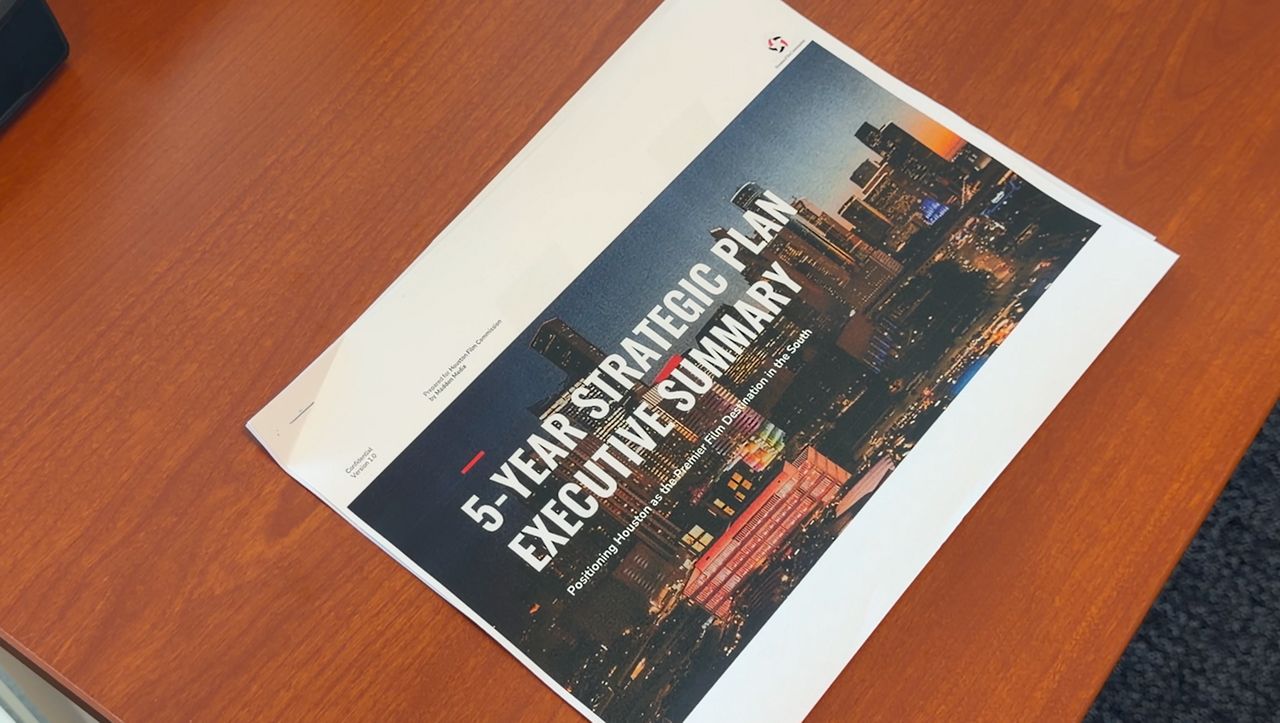
Houston Aims to Generate $1 Billion From New Film Industry Plan
Houston’s Five-Year Push to Become a Texas Film Hub Houston is betting big on the silver screen. As...