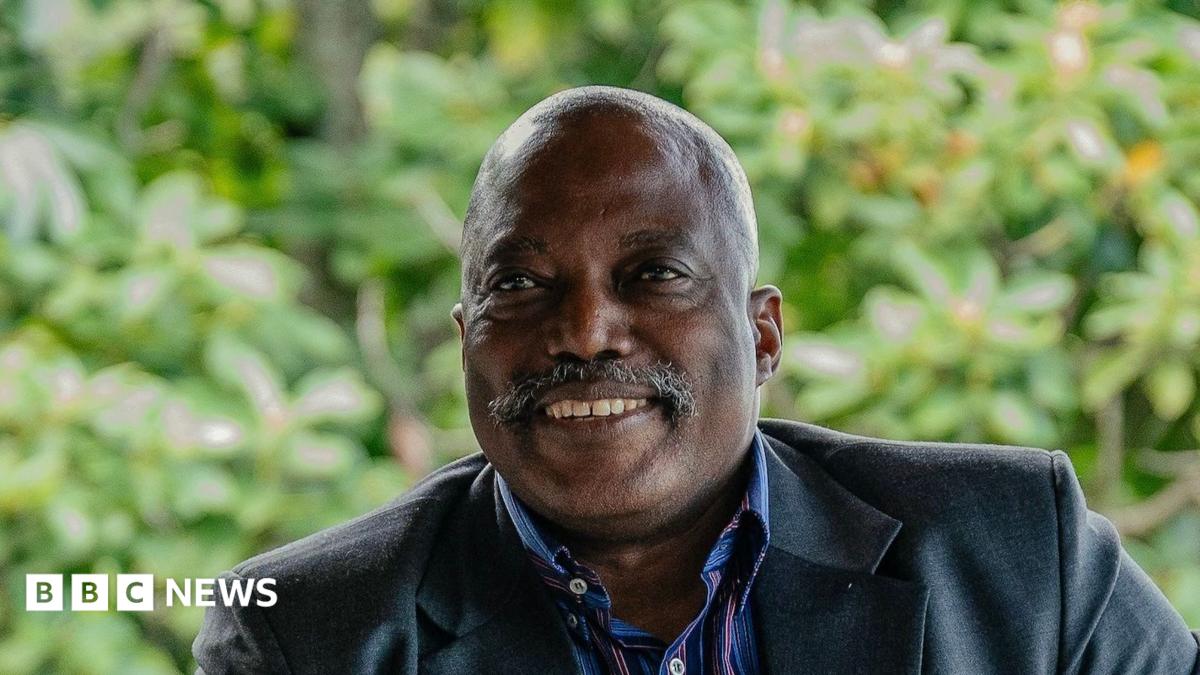
Former Democratic Republic of Congo President Joseph Kabila has emerged as the leader of the Front for the Refoundation of the Nation, a new political-military alliance incorporating Rwanda-backed M23 insurgents. The coalition announced its formation in Goma on October 12, 2026, marking a major escalation against President Félix Tshisekedi.
Goma Announcement Solidifies Front for the Refoundation of the Nation
The formal unveiling of the Front for the Refoundation of the Nation took place in Goma on October 12, 2026. The new politico-military organization unites opposition forces with the Alliance Fleuve Congo and the M23 armed group, whose territorial gains have captured major urban centers in eastern Congo. Claude Ibalanky, an adviser to the organization, stated that the group intends to unite all resistance forces
to end what it characterizes as tyranny under President Félix Tshisekedi, vowing to achieve its objectives by all means necessary, including force.
Kabila’s assumption of leadership brings together prominent political and military figures associated with the insurgency. Corneille Nangaa, the former head of the Congo River Alliance, serves alongside Bertrand Bisimwa and Benjamin Bonimpa as a deputy, while Sultani Makenga holds the role of chief of staff and Freddy Kaniki acts as secretary-general. The alliance confirmed what many Congolese had long suspected regarding ties between the former head of state and the armed rebellion.
🔴 Kabila joins rebel coalition seeking to oust Congo's Tshisekedi 'by all means'Former President Joseph Kabila has joined the Front for the Refoundation of the Nation (FRN), an armed coalition that seeks to challenge current President Félix Tshisekedi's administration "by all… pic.twitter.com/Kvd3Tn2wcX
— https://x.com/NewsTongueX/status/2113106478382923964
He actually was left with no other choice.
Henry-Pacifique Mayala, policy analyst, via BBC
Facing a death sentence after a military court convicted him in absentia of treason, war crimes, and crimes against humanity on September 30, 2025, alongside United States sanctions over alleged support for the M23, Kabila entered the rebellion following years of deteriorating relations with his successor. Policy analyst Henry-Pacifique Mayala suggested that the former president likely secured guarantees regarding his leverage before making the transition. I’m not sure that he is making this huge leap in the dark without having received considerable assurance,
Mayala noted.
Power-Sharing Collapse and Exile Preceded the Escalation
The path from the presidency to armed rebellion spans a decade of shifting political fortunes. Laurent-Désiré Kabila seized power in May 1996 after a seven-month march from the east, ousting long-time ruler Mobutu Sese Seko. Following his father’s assassination in January 2001, Joseph Kabila assumed the presidency, governing for 18 years before handing power to Félix Tshisekedi following the December 2018 election. Although their initial power-sharing agreement allowed Kabila’s political coalition to retain control of parliament, the arrangement unraveled in December 2020 as Tshisekedi moved to dismantle his predecessor’s institutional dominance. Kabila subsequently went into self-imposed exile in South Africa in 2023.
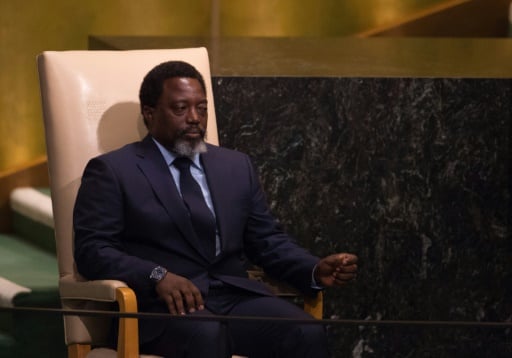
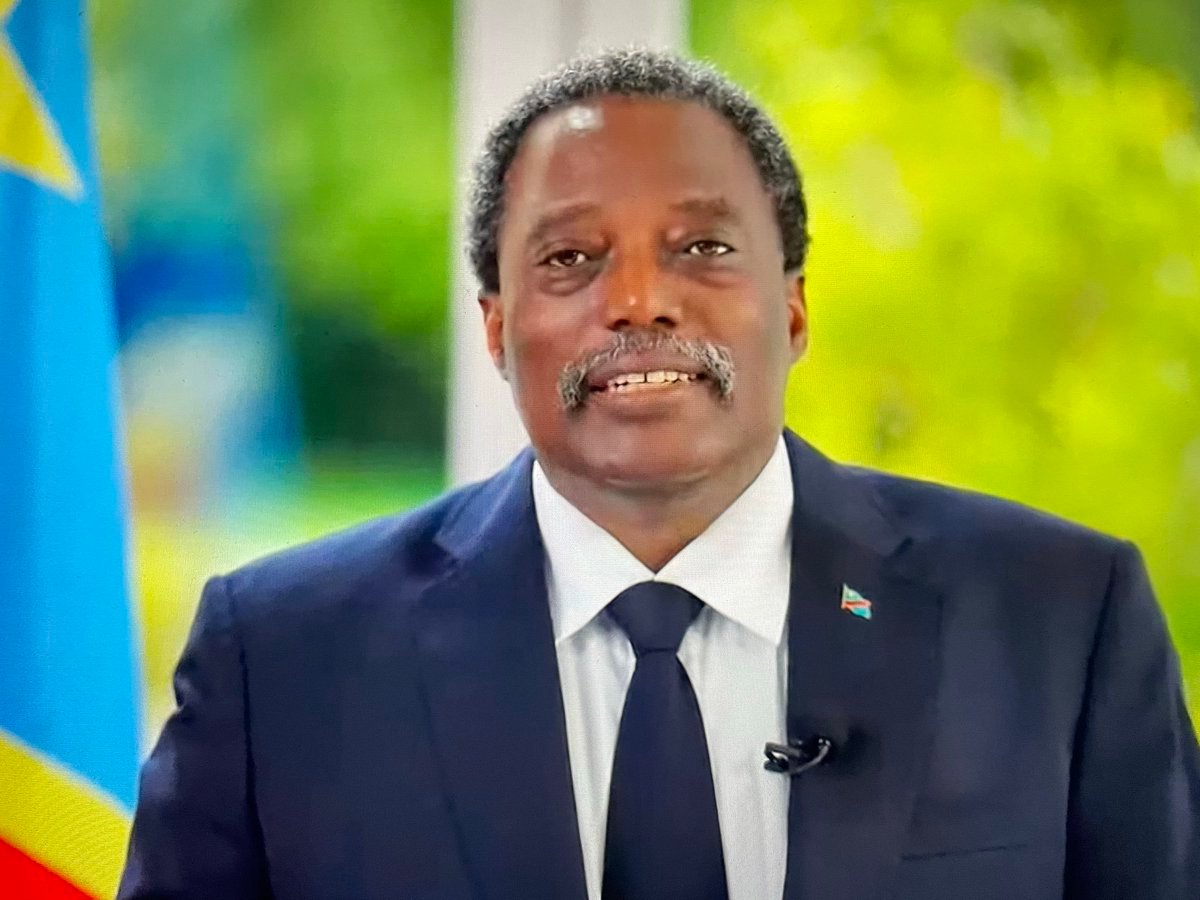
Tensions deepened as the Congolese government accused the former president of backing the Alliance Fleuve Congo, eventually leading the Senate to lift his presidential immunity and the military judiciary to prosecute him. Kabila’s party, the People’s Party for Reconstruction and Democracy, faced asset freezes and suspension. Earlier in the week, Kabila drew historical parallels, likening his successor to the autocrat his own family’s rebel movement had overthrown decades earlier. You have a tyrant who wants to impose and dictate what he thinks is right and not necessarily follow the constitution, which is the supreme law of the land,
Kabila told Conspiracy Trackers Great Lakes.
Regional Alliances and Mineral Wealth Shape the Conflict
The newly formed coalition operates across a region central to global mineral supply chains. Alex Adams, Africa programme director at the European Council on Foreign Relations, observed that Kabila’s new alignment creates a strategic intersection of interests with Rwandan President Paul Kagame, despite their differing ultimate objectives. Kabila wants to recover political influence nationally, while Kagame is primarily concerned with Rwanda’s security and strategic position in eastern Congo. This is an alignment of convenience rather than a partnership built on deep trust,
Adams explained.
International scrutiny persists regarding foreign involvement in the eastern provinces. The Democratic Republic of the Congo government, United Nations experts, and the United States have repeatedly accused Rwanda of backing the M23 insurgency, pointing to documented surges in cross-border mineral extraction. Despite a ceasefire agreement mediated in July 2025 and a peace accord overseen by Donald Trump in late 2025, fighting has continued across the region. With national elections scheduled for 2028, President Tshisekedi has warned that ongoing conflict in the east could disrupt the electoral calendar as the political crisis deepens.
Related reading
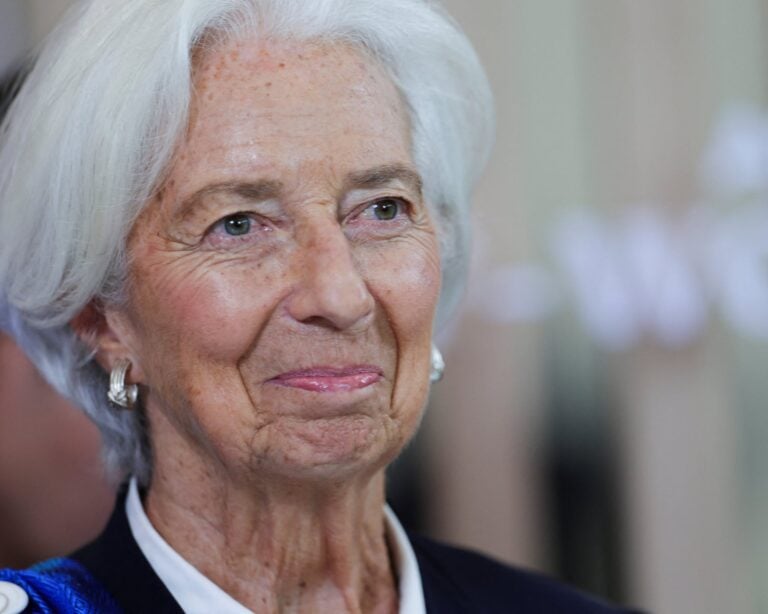
Christine Lagarde to Step Down as ECB President Nine Months Early
European Central Bank President Christine Lagarde announced she will step down next February, cutting her term short by...
G20 Ministers Scrap Family Photo Over Sergey Lavrov Presence in Atlanta
Foreign ministers from G20 nations concluded two days of talks in Atlanta on Saturday without a joint communique,...
Ukraine Drones Strike Novokuybyshevsk Refinery, Ending Attack Pause
Ukrainian drones struck the Novokuybyshevsk oil refinery in Russia’s Samara region on October 30, marking the end of...
UK Immigration Officials Bar Climate Scholar Andreas Malm From Entry
Swedish climate scholar Andreas Malm has been barred from entering the UK ahead of a scheduled speaking engagement...