Kimberly P. Meyer, a voter in North Springfield, is urging residents of the Windsor District to vote for Andrea Murray for state Senate on November 3, arguing that the region needs a leader who understands the actual cost of living in rural Vermont. In a letter to the editor, Meyer describes a growing disconnect between the state’s incumbent politicians in Montpelier and the daily financial struggles of working people.
The central tension in Meyer’s argument is the feeling of “running on a treadmill that keeps speeding up.” She writes that while state legislators debate grand ideas and pass expensive bills, rural towns are left to deal with the fallout of rising grocery costs, electricity rates, and property taxes. For Meyer, this isn’t just about politics; it’s about the basic ability to make ends meet in a state where the cost of living is increasingly out of reach for the average resident.
The Economic Stakes for Rural Vermonters
Meyer’s endorsement of Andrea Murray rests on the candidate’s background as a local business owner and farmer. According to Meyer, these roles provide Murray with a “practical mindset” and a firsthand understanding of how every additional fee or tax hike directly impacts the wallets of those living in rural communities. The argument is simple: a leader who has managed a farm and a business is better equipped to identify which policies make it harder for vulnerable citizens to stay in their homes.
One specific policy point Meyer highlights is Murray’s promise to fight against the taxation of Social Security benefits. For seniors and families on fixed incomes, this tax represents a significant drain on resources that would otherwise go toward medicine, heat, and food. By focusing on this specific tax burden, Meyer suggests that Murray’s platform is rooted in the immediate, material needs of the constituency rather than abstract legislative goals.
The Contrast in Legislative Perspective
The letter draws a sharp line between the “incumbent Senate politicians” and the “regular working people” of the Windsor District. Meyer argues that the current leadership is living in a “completely different world,” implying that the legislative process has become detached from the practicalities of rural survival. She contends that the state needs to stop making things harder for its citizens and instead prioritize affordability.
While Montpelier may see “expensive bills” as necessary investments in the state’s future, Meyer frames them as burdens that rural towns are forced to carry without seeing a proportional benefit.
A Call for Practical Empathy
Meyer concludes her appeal by asking Windsor District voters to prioritize empathy and practicality at the polls. She argues that the district needs a representative who will view every piece of legislation through a single lens: whether it makes it easier or harder for a Vermonter to remain in their home.
The urgency of the November 3 election is, for Meyer, a chance to send a message to the state capital. By backing a candidate like Murray—someone she describes as “real” and “down-to-earth”—Meyer is advocating for a shift in power from the theoretical to the tangible.
Whether the Windsor District chooses a candidate with a practical mindset or sticks with the current legislative direction will depend on whether more voters share Meyer’s feeling of being left behind by the system.
Worth a look
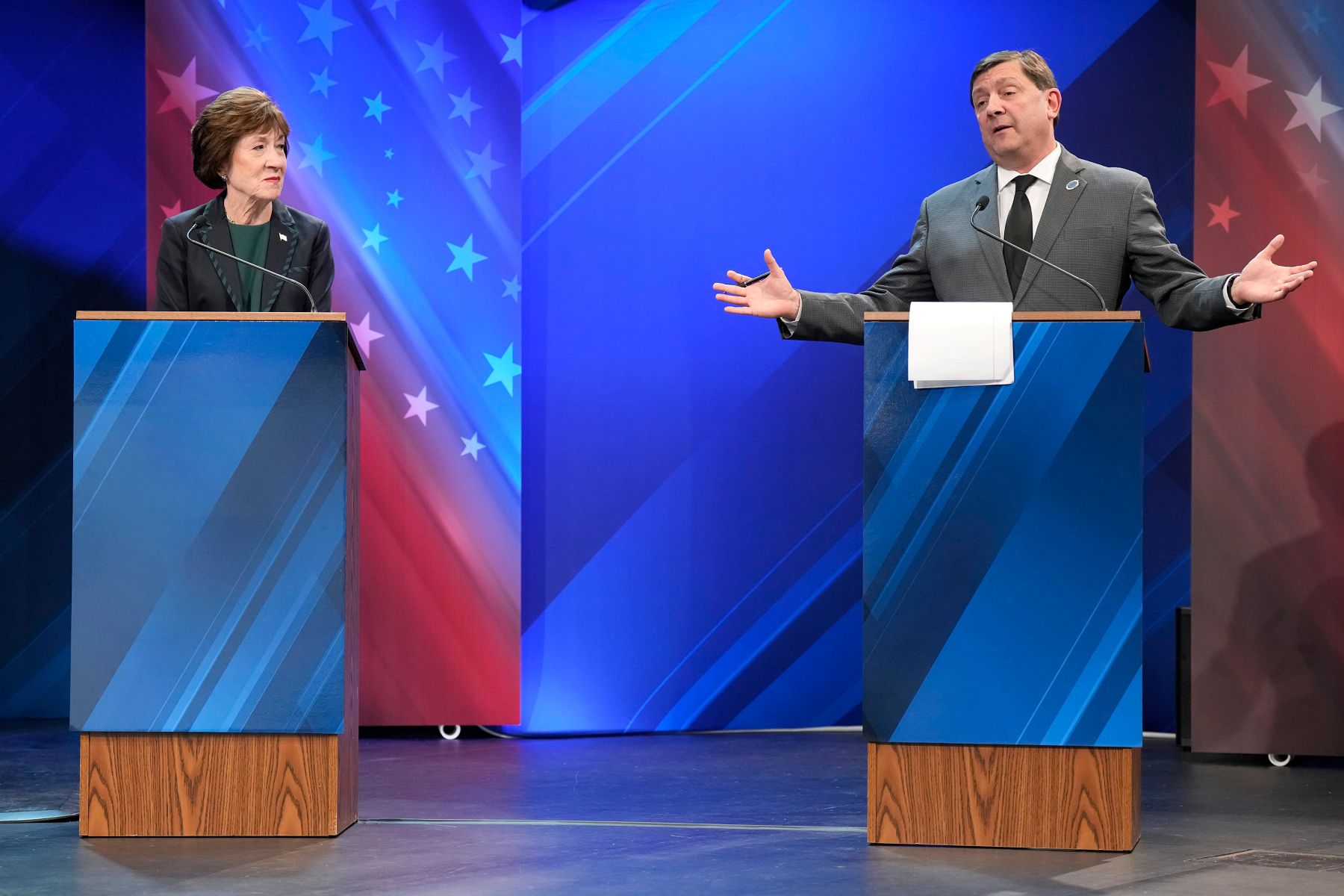
Maine Senate Race: Collins and Jackson Clash Over Energy Costs
Maine’s Senate race between incumbent Republican Susan Collins and Democrat Troy Jackson has centered on a clash over...

Louisiana Amendment 4: Lifetime Term Limits for Governors
Louisiana voters will decide on November 3, 2026, whether to establish a lifetime limit on the number of...

City of Frankfort Approves Update to 35-Year-Old 911 Agreement
The City of Frankfort and Franklin County are moving to overhaul a 911 services agreement that hasn't been...
Wichita State to Host Safety Talk After Two Reported Sexual Assaults
Two unrelated sexual assaults reported at Wichita State University within a two-week span have prompted the administration to...