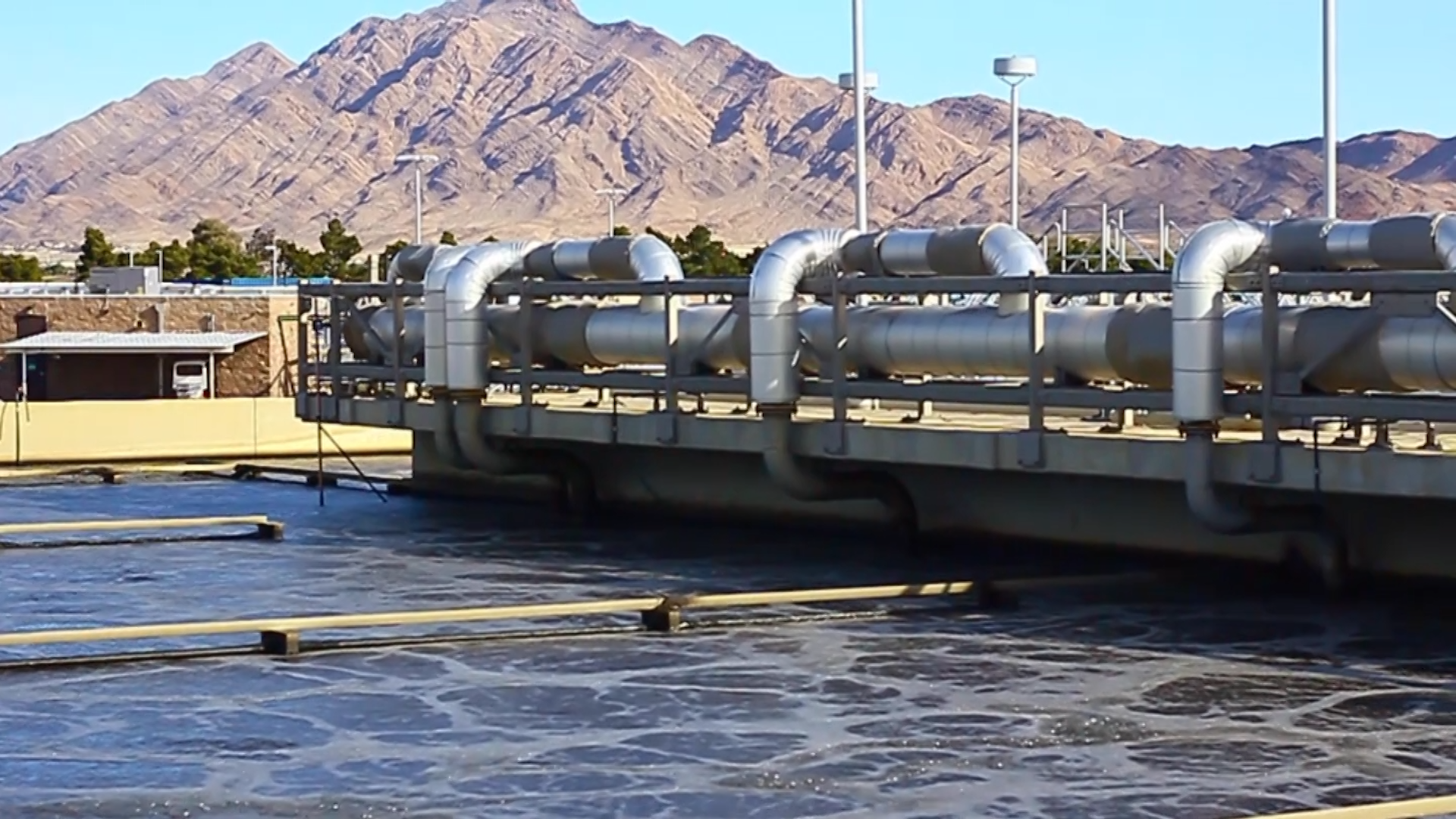
“It just keeps coming,” Daniel Fischer, chief water reclamation operations officer for the Clark County Water Reclamation District, told The Nevada Independent.
The item passed without discussion. The project hinges on a $7 million National Science Foundation grant the district is seeking alongside the Desert Research Institute, the engineering firm Ardurra, UNR, UNLV and New Mexico Tech.
If funded, the first phase would run from March 2027 through February 2028, with pilot testing tentatively scheduled from June to September 2027. The Southern Nevada Water Authority has backed the effort, providing a letter of support and participating in stakeholder meetings, spokesperson Bronson Mack said.
The technology itself isn’t in doubt. The pilot would use reverse osmosis, which forces water through a membrane to strip out salt. The open question is whether it makes financial sense.
“There’s no doubt that the water can be treated and drinking water produced from it. That’s not really the question,” Fischer said.
The idea isn’t new. Around 2018, UNLV researchers including engineering professor Jacimaria Batista looked at whether solar power could make pumping and desalinating more affordable.
“It’s not a new concept,” Fischer said. “It’s a new try at something that was deemed to be not feasible in the past.”
An acre-foot is about 326,000 gallons, roughly enough to fill half an Olympic swimming pool.
That water often gets in the way of builders.

Much of the water sits in tight clay, so many wells produce only a trickle.
“If I didn’t believe that, I wouldn’t have worked on it for eight years.”
Batista told The Nevada Independent, when asked whether the broader idea of tapping the valley’s shallow groundwater is worth revisiting. She favors a mix of treatment approaches over relying on reverse osmosis alone. Batista isn’t involved in the district’s pilot and declined to comment on it.
A bigger hurdle is the brine, the concentrated salt left over after reverse osmosis.
Other parts of the Southwest have tackled similar problems. The Las Vegas pilot is far smaller and focuses on a different source.
The district’s pilot isn’t the only local effort looking at this water.
Created by judicial decree in August 1954, the Clark County Water Reclamation District replaced a patchwork of cesspools, septic tanks and small hotel plants with a unified system for the unincorporated valley.
Today it is the largest wastewater treatment agency in Southern Nevada, collecting and reclaiming an average of 83 million gallons a day from the Strip and communities from Blue Diamond to Searchlight, with plans to expand capacity to 110 million gallons daily.
The district has before turned research pilots into full-scale projects.
Keep reading
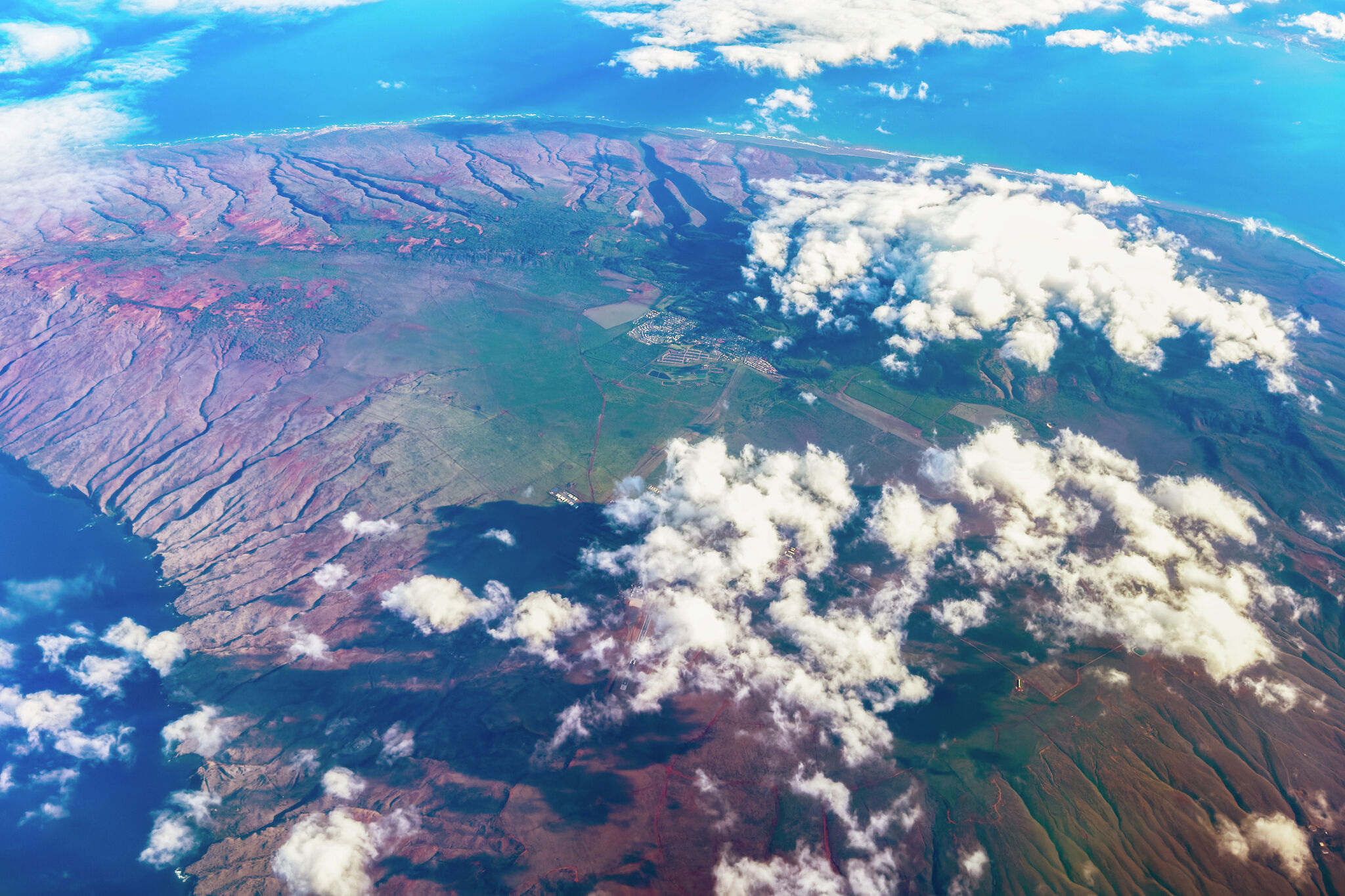
Lanai Resort Expansion Would Uproot Last Koele Ranch Buildings
September brought a 6‑0 vote by the Hawaii Land Use Commission to reclassify roughly 170 acres on Lanai...
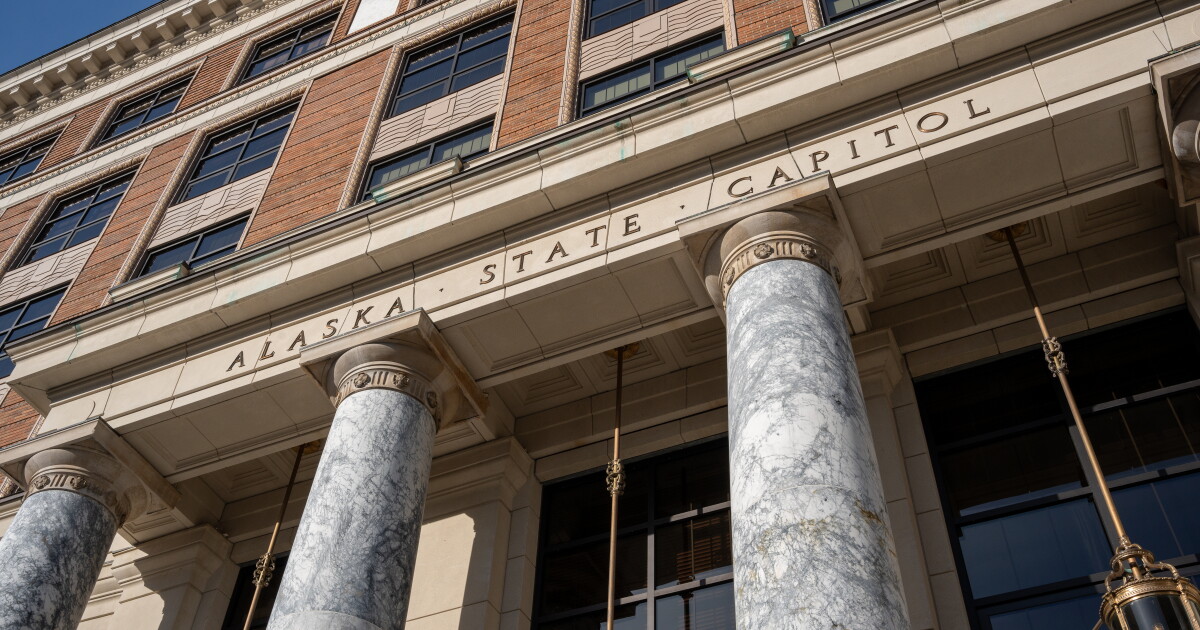
Four Alaska House Seats Flip; 35-Year GOP Run in Homer Ends
Independent Brent Johnson unseated incumbent Sarah Vance by about 60 votes, ending a 35-year GOP run in Homer....

Oklahoma Waits for DOE Decision on Nuclear Campus as Congress Considers Legislation
Oklahoma is still waiting for the U.S. Department of Energy to name the three states that will host...

Forward Montana Hosts Billings City Council Candidate Info Session
Forward Montana is hosting a City Council candidate information session on May 7 from 6 to 8 p.m....