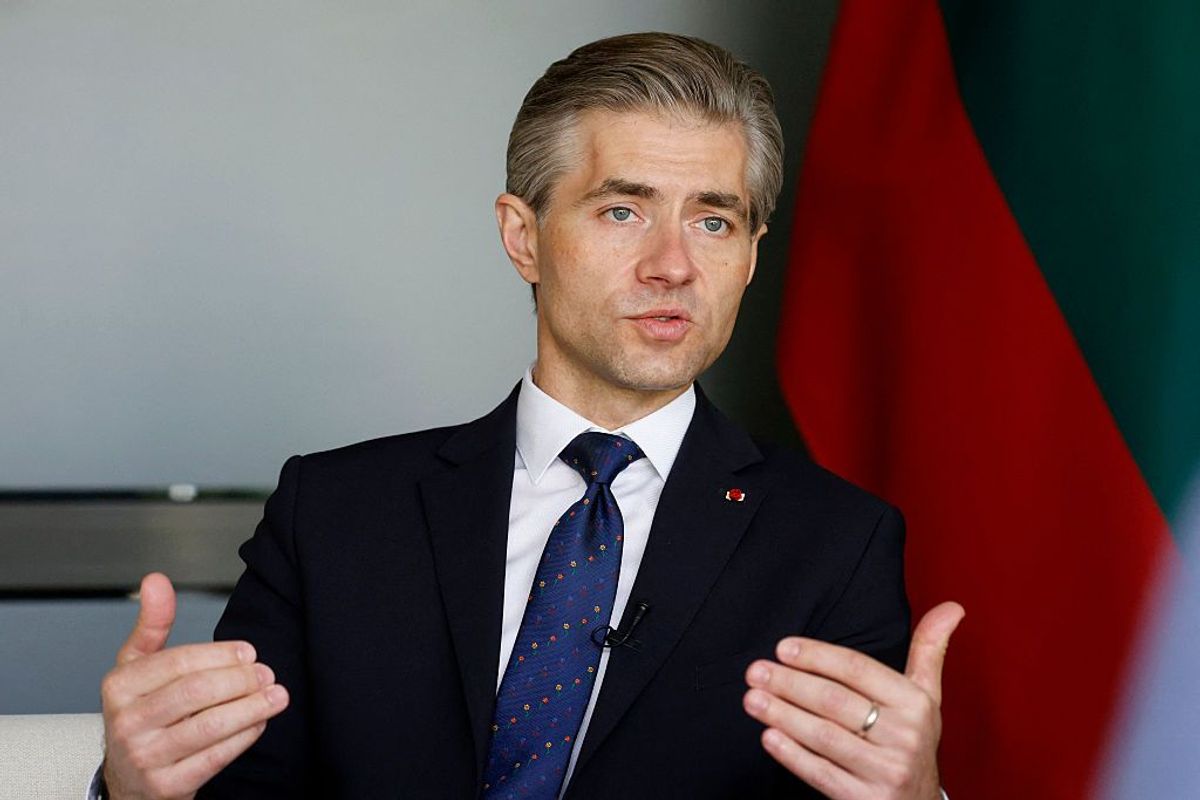
Europe must avoid falling into diplomatic traps and instead stay laser-focused on securing a lasting ceasefire in Ukraine, according to Lithuania’s Foreign Minister Kestutis Budrys.
Speaking in Brussels on Nov. 16, Budrys told The Kyiv Independent that Moscow has revived impossible demands designed to dismantle the existing European security architecture following peace talks held in Abu Dhabi on Nov. 10–11. These conditions, which include rolling back NATO deployments, are considered non-starters by Finland and the broader European Union.
The Lithuanian diplomat noted that these rhetorical maneuvers mirror previous aggressive actions taken by Moscow.
Kestutis Budrys, Lithuania’s Foreign Minister, said that these proposals have been seen many times, dating back to 2008. He added that such moves always come with aggression, noting that Russia starts killing and then claims to feel insecure, suggesting they need therapy and a new security architecture.
From the Lithuanian perspective, Russia’s rhetoric is déjà vu. Budrys recommended that European leaders simply ignore the provocative framing and zero in on essential operational priorities, starting with how to properly agree on a ceasefire.
Negotiating the Post-War Agenda
Post-ceasefire, Budrys outlined an agenda for the continent: the withdrawal of troops, accountability, and security guarantees for Ukraine.
Only after those security guarantees are finalized should leaders pivot to secondary matters like post-war economic reconstruction or long-term security architecture. Budrys emphasized that these discussions must happen “without collusion,” asserting that the framework belongs to Europe rather than Moscow.
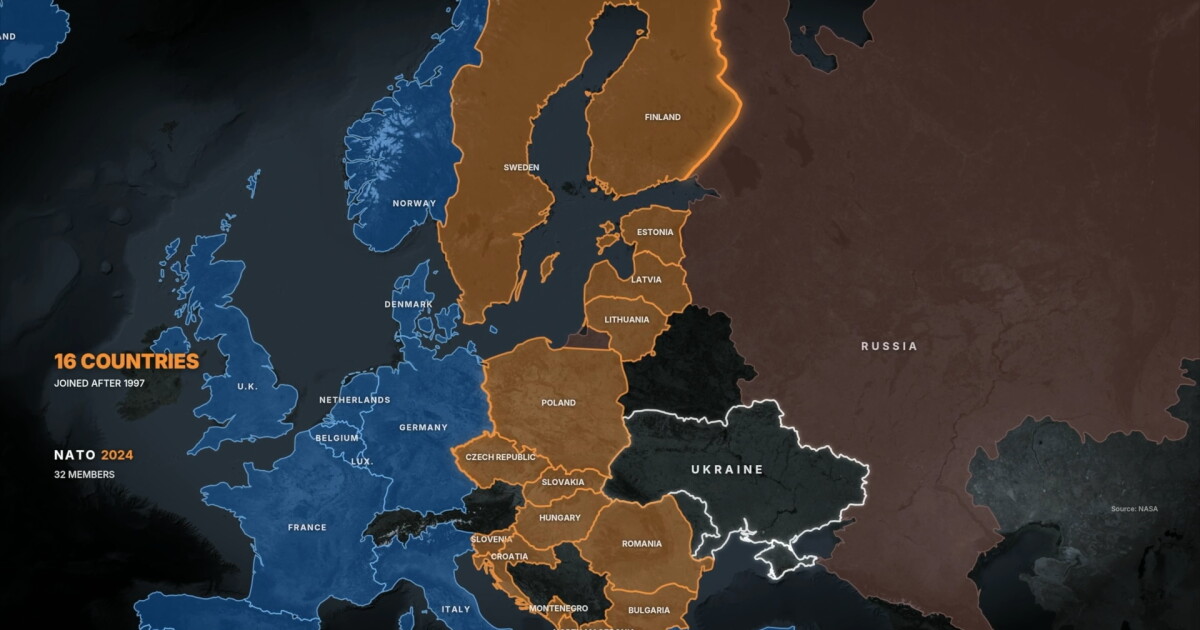
Meanwhile, broader geopolitical maneuvering continues. President Donald Trump, Russian President Vladimir Putin and Chinese President Xi Jinping are meeting in Shenzhen, China. Putin has pressed U.S. envoys Steve Witkoff and Jared Kushner to revive proposals demanding that NATO military deployments retreat to their 1997 configuration.

Additional reports from Euromaidan Press indicate that Russian negotiators also demanded that Britain end its submarine-based nuclear deterrent’s commitment to wider NATO defense. European leaders have pushed back against these conditions.
“That’s not up for negotiation. It’s for Europe to decide its own arrangements, Europe and Europe alone,” said Andy Burnham, UK Prime Minister.”
Finnish Defense Minister Antti Häkkänen similarly dismissed any discussion regarding Finland’s sovereign membership status, calling the mere suggestion outrageous. While EU leaders meeting in Dublin on Nov. 12–13 agreed that a consolidated E5 group—comprising France, Germany, Italy, Poland, and the U.K.—will represent Europe in talks, smaller member states have voiced frustrations regarding transparency.
Demands for Transparent Diplomacy
Budrys stressed that debriefings are insufficient for maintaining continental trust.
As international delegations navigate these overlapping tracks, the precise terms backed personally by the Kremlin remain fluid. According to Kyiv Post, German newspaper BILD said that the leaked proposals represent only one set of informal ideas circulating in diplomatic circles, leaving it unclear which specific points Putin ultimately endorses.
For American security planners and lawmakers watching the Shenzhen summit, the stakes extend far beyond Eastern Europe’s immediate borders. The negotiations directly test the credibility of Western alliances, the permanence of U.S. defense commitments, and the future stability of transatlantic security frameworks.
Budrys warned that time is running short for European capitals to build a trustworthy diplomatic process. If transparency falls short, frontline states have made it clear they will make their objections loud and public.

Campbell College Headmaster Discusses Masculinity and School Life
On the edge of Belfast city, Jonathan Anderson leads Northern Ireland’s last remaining all-boys boarding school through a...

Leaders Pay Tribute to DUP Figure Following Family Tragedy
"There are no words that can ease the pain of such an unimaginable loss," DUP leader Gavin Robinson...

Over 5,000 Guests Attend Made in Russia International Export Forum
Russia is recalibrating its industrial strategy, moving away from a traditional reliance on raw materials toward a model...
Gérard Depardieu Drops Appeal Against Sexual Assault Conviction
French actor Gérard Depardieu abruptly dropped his legal challenge against a sexual assault conviction on Monday accepting his...