
Neuroscientist Louisa Nicola argues that up to 95 percent of Alzheimer’s cases are preventable through lifestyle choices, pointing to inflammation and brain energy deficiency as root causes of cognitive decline. The expert outlines targeted strategies involving omega-3 fatty acids, metabolic ketones, and heavy resistance training to protect neurological health.
While broad research estimates suggest that 30 to 40 percent of dementia cases stem from modifiable risk factors, Nicola maintains that individuals hold significantly more agency over their long-term brain health than conventional genetics imply (BoxLife Magazine). Instead, cognitive decline unfolds as physical connections between neurons deteriorate over time.
You may go from a neuron having 10,000 connections to maybe having 2,000 connections and then to having no connections and then eventually cell death,
Nicola explains (BoxLife Magazine). As synaptic connections vanish, memory impairment emerges first, followed by a slowdown in information processing speeds and physical shrinkage of the brain.
Insulin Resistance Triggers Energy Crises in Brain Cells
Although the brain accounts for only two percent of total body weight, it consumes roughly twenty percent of the body’s total calories to function.
Insulin acts as a vital transport mechanism, helping glucose enter brain cells for necessary energy. When insulin resistance develops, however, neurons fail to process glucose efficiently, triggering an energy crisis (BoxLife Magazine).
If we have a brain that is not able to use this hormone correctly, it’s not able to transport glucose efficiently. Everything goes down from there. We have an energy problem.
Louisa Nicola, neuroscientist and brain health expert, via BoxLife Magazine
While metabolic changes are clearly visible in Alzheimer’s disease, the descriptive label of type 3 diabetes
remains classified as a research hypothesis rather than an official medical diagnosis (BoxLife Magazine). To bypass glucose transport hurdles, the brain can utilize beta-hydroxybutyrate ketones as an alternative fuel source. Achieving endogenous ketosis through diet remains difficult, as minor carbohydrate intake can disrupt the metabolic state.
DHA and Physical Activity Improve Brain Resilience
DHA improves cell membrane fluidity and regulates inflammation just as effectively as several FDA-approved pharmaceuticals.
If the brain is made of DHA then we can actually go through and think well am I having enough fatty fish in my diet?
Is my omega-3 index high enough which it should be around 8% or more?
Nicola notes (BoxLife Magazine). Because the average omega-3 index in the United States sits at four percent or below, supplementation is often required.
Physical activity plays an equally critical role in physiological defense. To maximize physical resilience, heavy resistance training and zone 5 exertion are recommended (BoxLife Magazine).
Keep reading

Marking World Mental Health Day 2026, the Irish government announced an €11 million funding package
Marking World Mental Health Day 2026, the Irish government announced an €11 million funding package to expand youth...

CU Anschutz Study: Horseback Riding Cuts Hyperactivity in Autistic Youth
Therapeutic horseback riding cuts hyperactivity in children with autism and co-occurring psychiatric conditions, according to new research published...

Routine Blood Tests May Predict Long-Term Dementia Risk
Routine blood screening tests and advanced genetic markers are offering doctors new ways to estimate long-term dementia risks...
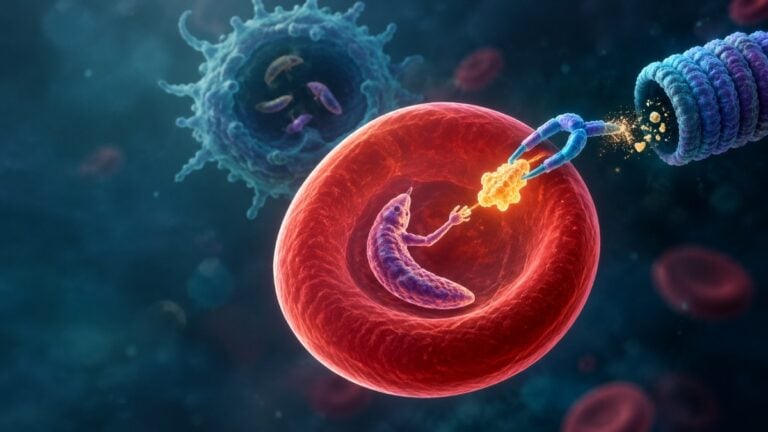
JNU Scientists Target Human Protein to Weaken Malaria and Kala-Azar
Researchers at Jawaharlal Nehru University have targeted the human protein p38-MAPK to weaken both malaria and kala-azar parasites...