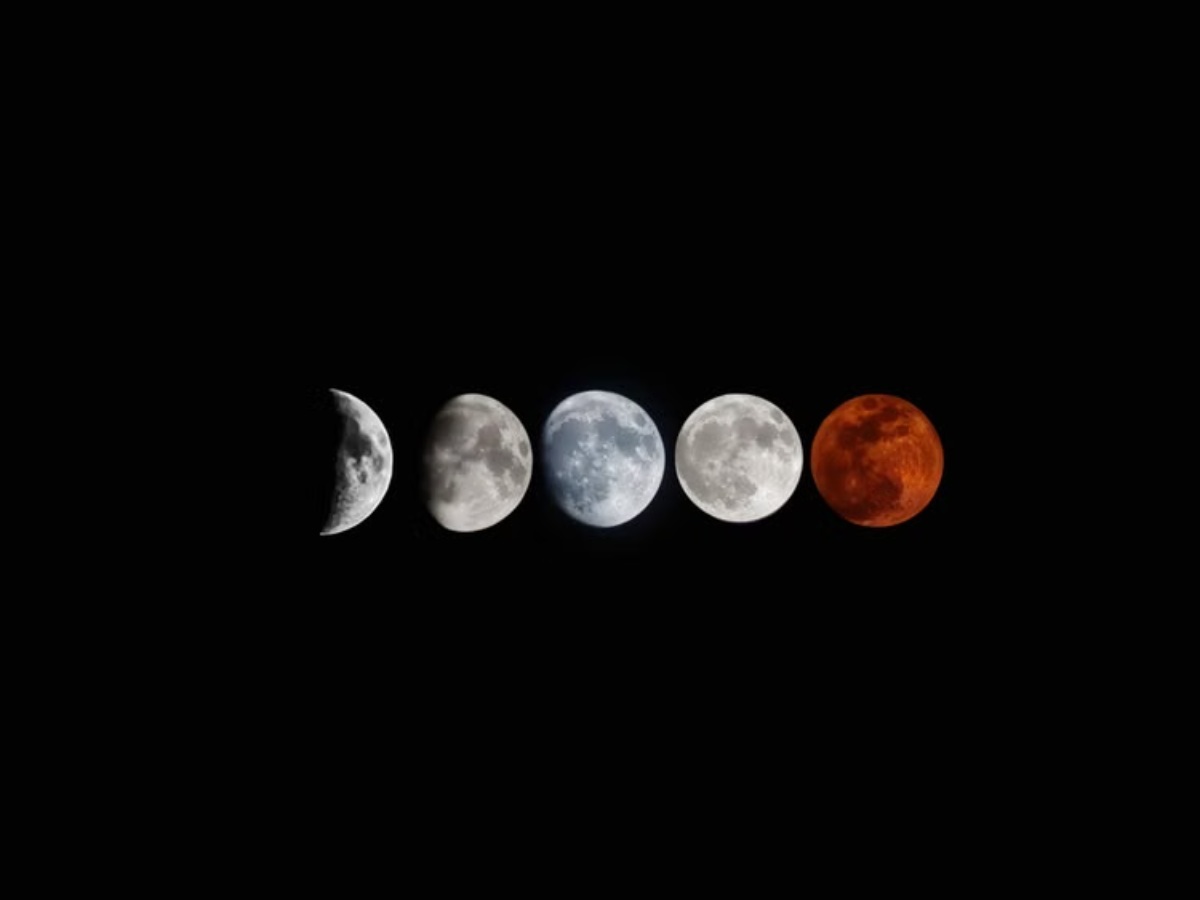
Skywatchers can spot prominent craters and landing sites before the August 28 Full Moon begins the next cycle.
The lunar cycle approaches its final transition as the illuminated side of the Moon turns away from Earth, rendering the natural satellite virtually invisible in the night sky. This point in the lunar calendar leaves only a narrow window for unobstructed observation before the upcoming New Moon cycle resets the pattern.
Lunar Features Visible on August 7, 2026
Observers stepping outside tonight face the final few nights of spotting distinct lunar features with the naked eye.
Telescopes reveal the Schiller Crater and the Apollo 12 landing spot according to NASA’s Daily Moon Guide data.
Understanding the Eight Moon Phases
During this journey, the relative positions of the Sun, Earth, and Moon shift constantly, altering how much of the sunlit surface remains visible from our perspective.
New Moon: The Moon positions itself between Earth and the Sun, leaving the visible side dark and invisible to the naked eye. Waxing Crescent: A small sliver of illumination appears on the right side in the Northern Hemisphere. First Quarter: Exactly half of the Moon is lit on the right side, resembling a half-moon. Waxing Gibbous: More than half of the surface is illuminated, building toward fullness. Full Moon: The entire visible face of the Moon is illuminated and fully visible. Waning Gibbous: The Moon begins losing illumination on the right side in the Northern Hemisphere as detailed in the Mashable phase breakdown. Third Quarter (Last Quarter): Another half-moon appearance, but with the opposite or left side illuminated according to the Mashable guide. Waning Crescent: A thin sliver of light remains on the left side before descending into total darkness as outlined by Mashable.
Alternative Observations from Previous Phases
At other points in the lunar calendar, such as during the Waning Gibbous phase observed on July 30 according to NASA’s Daily Moon Guide, the Moon appears almost completely lit and easy to observe with the naked eye and through optical equipment. Without any equipment during that phase, skywatchers can spot famous lunar features such as Mare Tranquillitatis, Copernicus Crater, and Tycho Crater. Using binoculars gives a clearer view of Gassendi Crater, Mare Frigoris, and Clavius Crater, while a telescope allows observers to see the Apollo 15 and Apollo 17 landing sites alongside the Caucasus Mountains on the Moon.

Looking Ahead to the August 28 Full Moon
While the current waning crescent phase marks the winding down of the active viewing window, the lunar calendar moves steadily toward its next major milestone.
Worth a look

Sand Hoppers Move Hundreds of Tons of Sand on California Beaches
Inch-long beach crustaceans known as sand hoppers dig fresh burrows nightly along Southern California shores, moving an estimated...

Scientists Discover 13 Fatty Acids in Cat Urine That Form Unique Scents
Researchers in Japan, Germany, and Spain have discovered 13 unusual branched-chain fatty acids in domestic cat urine that...

Google Patents Filing Details New Text Classification Method for Office Systems
While traditional office automation approaches historically relied on multi-label document categorization based solely on body text, newly surfaced...
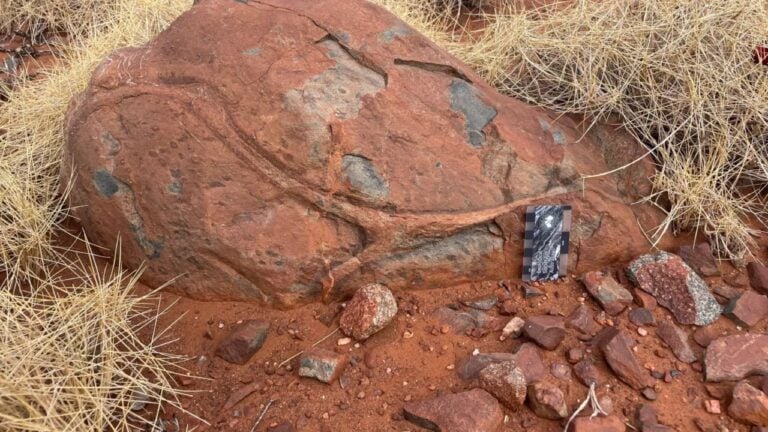
Ancient rocks from Western Australia suggest Earth was already dragging surface water into its mantle and using it to generate volcanoes 3.1 billion years ago — through a primitive recycling process that may have preceded modern plate tectonics
Geologists examining ancient volcanic formations in Western Australia have discovered evidence that water was influencing Earth's interior and...