
Governor Jim Pillen Prepares 2028 Ballot Strategy as Nebraska Lawmakers Face Property Tax Stalemate
Fresh off securing a second term to lead the Cornhusker State, Nebraska Governor Jim Pillen is drawing a hard line on property tax reform, making it clear that if state lawmakers stall on his proposals in 2027, he is ready to take the battle directly to the voters by the 2028 election cycle.
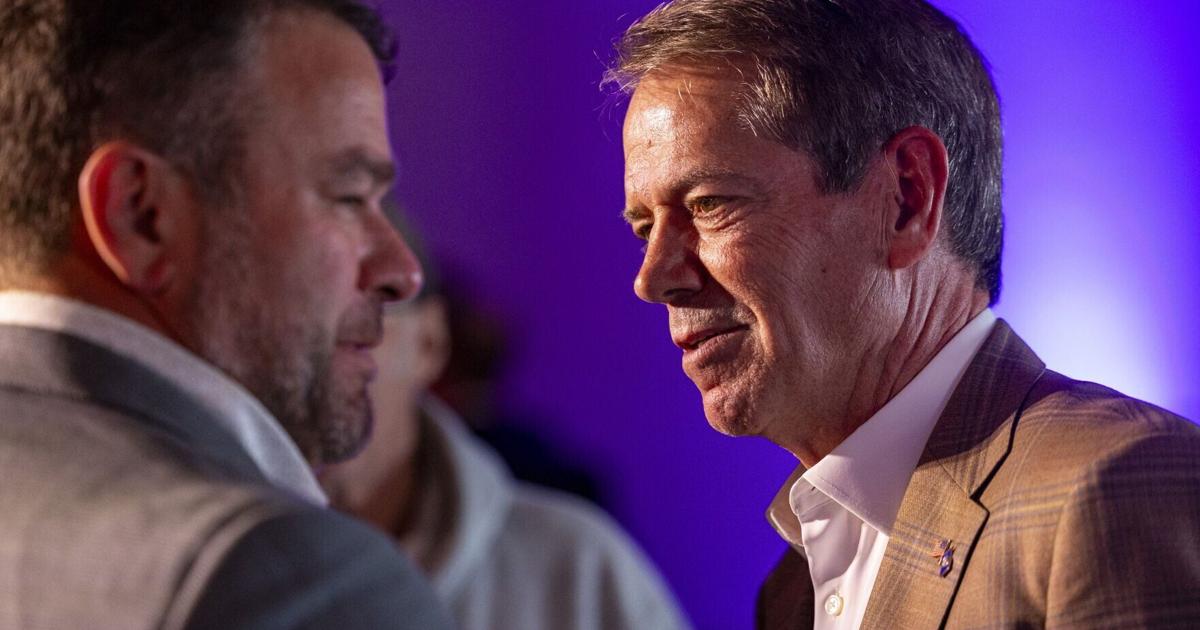
Pillen laid out his stance during a 30-minute news conference at the Nebraska State Capitol in Lincoln, following the release of new state data tracking effective property tax collections. Warning that residents from the river to Harrison and Falls City to Chadron are utterly exhausted by soaring levies, the governor insisted that the state’s tax burden has reached a point that needs to be fixed.
“All of us, from the river to Harrison, from Falls City to Chadron, from South Sioux City to Benkelman, we’re all ticked off. It’s got to be fixed,” Pillen told reporters.
Nebraska Legislature Faces Fading Republican Supermajority
The path forward for Pillen’s agenda looks considerably steeper than during his first term. When the Nebraska Legislature convenes on Jan. 6, 2027, the incoming group of lawmakers will feature more than a dozen fresh faces and a noticeably more skeptical attitude toward executive tax overhaul ideas.
The Legislature’s 33-Republican supermajority—the minimum votes needed to overcome a filibuster—is officially set to end. Electoral defeats for Republicans like state Sen. Merv Riepe of Ralston, alongside tight races in the Omaha area, threaten to erode the party’s voting bloc. Multiple lawmakers who previously backed Pillen's push to broaden the sales tax base include term-limited state Sens. Rob Clements of Elmwood, Speaker John Arch of La Vista, and Ben Hansen of Blair—are stepping down, leaving open seats to be filled by conservatives who have voiced concern about a tax “shift” or more taxation.
Pillen has repeatedly argued that shifting more operational costs of K-12 schools onto the state while capping local spending and broadening the sales tax base represents the right solution. Yet, those exact proposals have repeatedly sputtered in the face of legislative resistance.
The Mechanics of a 2028 Ballot Battle
Just how a 2028 ballot push would materialize remains an open question. Pillen acknowledged to reporters that he could not say what going to the 2028 ballot would look like, whether that means petitions, a legislative constitutional amendment (which requires 30 votes), or wading into legislative races.
Outside the governor’s immediate inner circle, independent efforts are already taking shape. Eric Underwood of Lincoln, a former chair of the Nebraska Republican Party, has outlined a 15-petition effort aimed at the 2028 election, including many on property taxes, though it remains unclear whether Pillen might lend support to Underwood’s proposals.
Meanwhile, Pillen denies that Nebraska is in a “budget crisis.” While some Republicans, such as former state Sen. Julie Slama of Dunbar, have broken from Pillen and called it a “crisis,” Pillen has pushed back against that characterization.
As the Jan. 6 legislative session approaches, the governor maintains that he and his team will “communicate nonstop” with lawmakers to bridge the ideological gap.
Keep reading

Nvidia hardware shipment stolen en route from Oakland to Texas
The $11.4 Million Vanished Shipment A logistics operation involving six pallets of NVIDIA hardware destined for Fort Worth,...

Sand Creek Massacre healing run to conclude with new memorial
A Long Walk to the Capitol On November 29, the annual Sand Creek Massacre Healing Run will conclude...
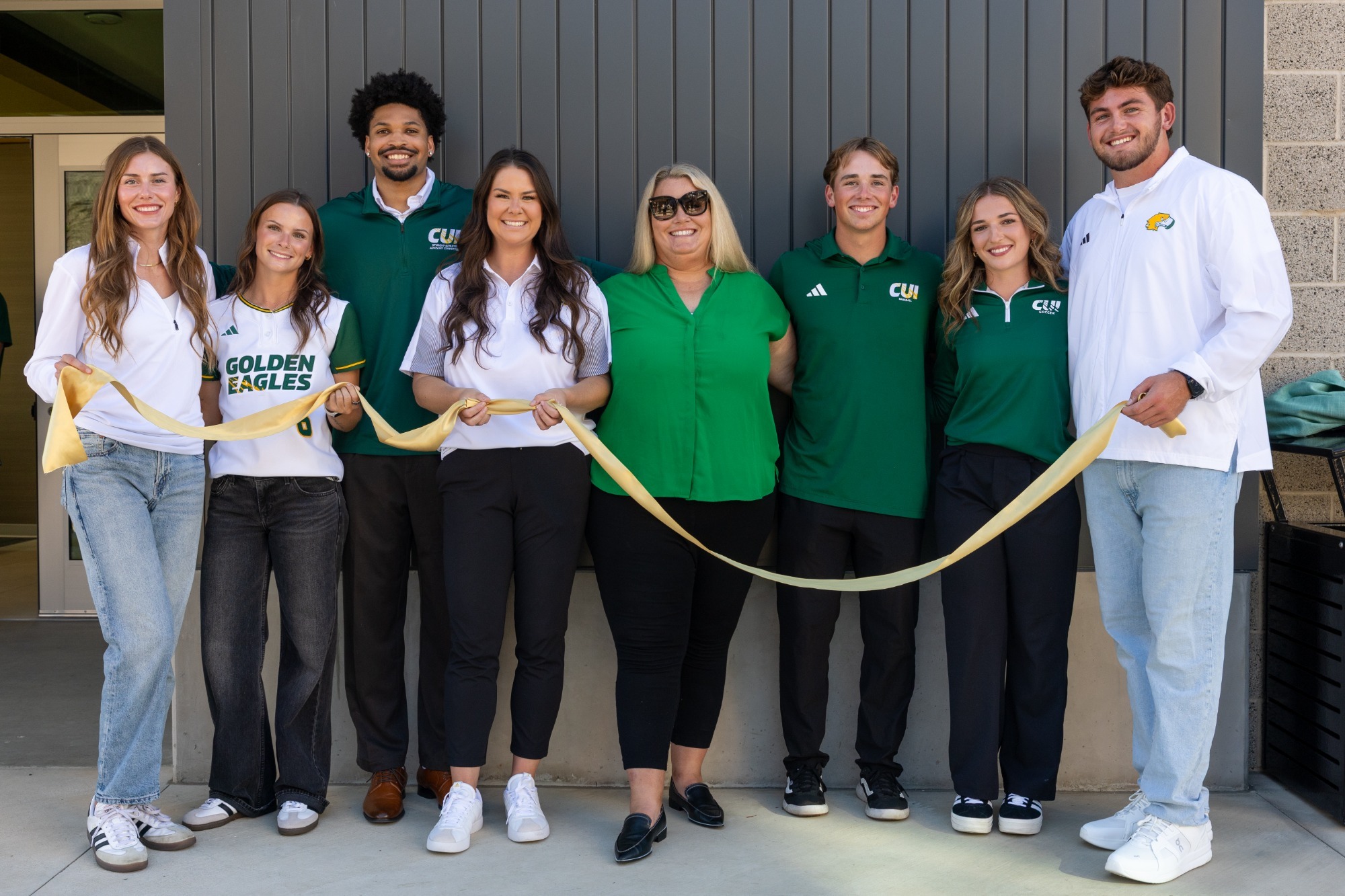
Madison Earns All-Region Honors and Shines as Dual-Threat
In NCAA Division II baseball, few athletes consistently star as both pitchers and hitters for their teams. Madison’s...
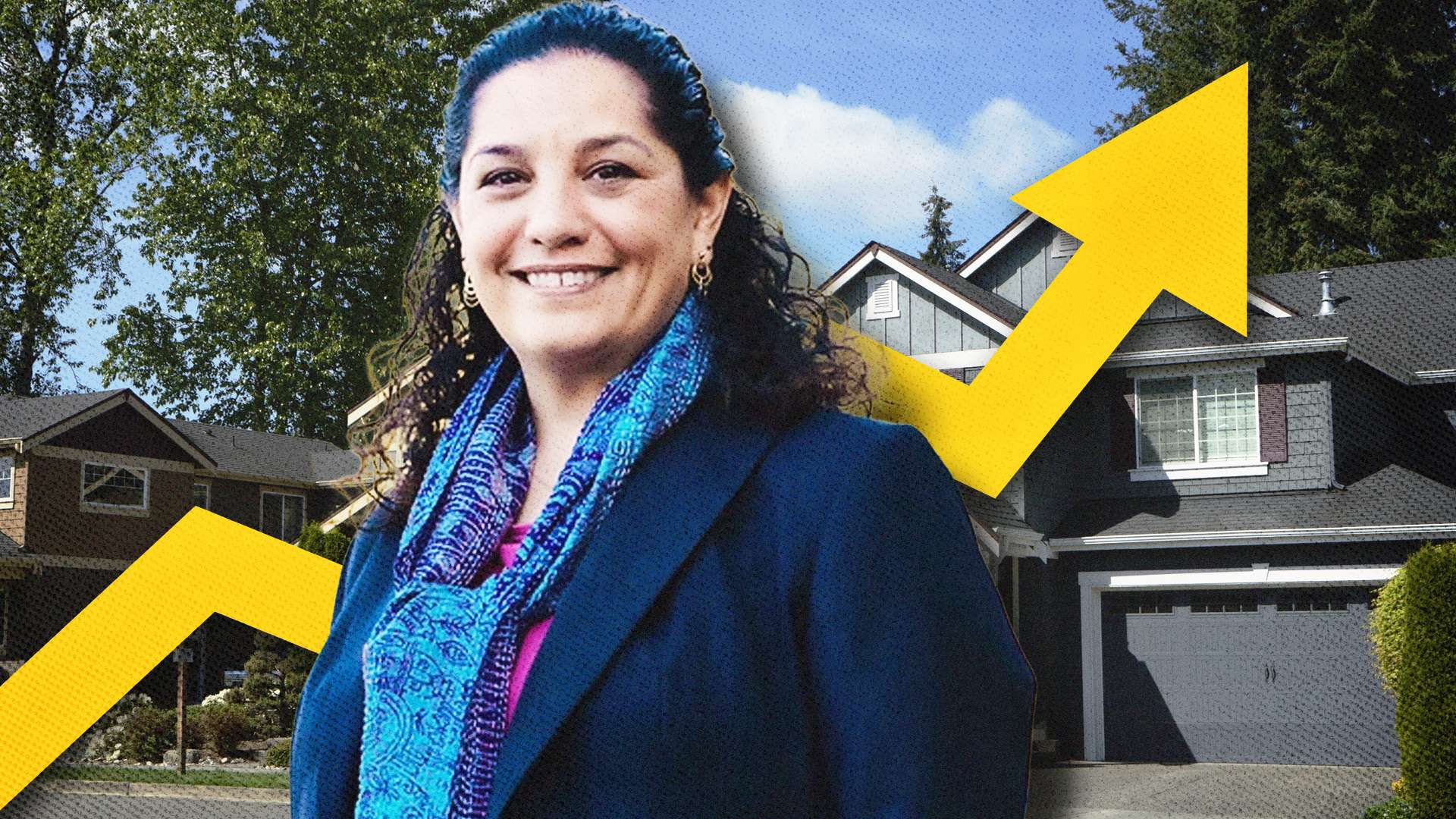
Nilu Jenks Wins Seattle District 5 Election With Pro-Housing Platform
Seattle Election Elects Progressive Urbanist Nilu Jenks to City Council District 5 “Building 1,000 New Units of Affordable...