
When Gina Hinojosa won the Texas governor’s race, 21-year-old Ava Marchant stood at an election night party and wept tears of relief, feeling that years of pressure and fear under outgoing leadership might finally lift. The victory marks a historic turning point for a state that has spent decades building one of the tightest abortion bans in the nation.
A Blue Majority Meets a Red Senate in Austin
The November election completely reshaped Texas politics. Alongside Hinojosa becoming the state’s first Democratic governor in more than three decades, Democrats were elected to the influential roles of lieutenant governor and attorney general, and the Texas House of Representatives has a blue majority. For voters who spent years watching conservative lawmakers pass strict civil and criminal enforcement mechanisms—ranging from heavy fines and prison time for doctors to private lawsuits targeting anyone accused of aiding an abortion—the shift feels nearly surreal.
Kaitlyn Kash, a former plaintiff in a high-profile lawsuit challenging Texas’ abortion law who sought out-of-state care after a severe developmental diagnosis, joked that she felt like she was being punked. Kash noted that after enduring years of setbacks—including the passage of additional legislative restrictions in 2025 and a narrow bill clarifying emergency medical exceptions—she isn’t ready to predict an immediate repeal.
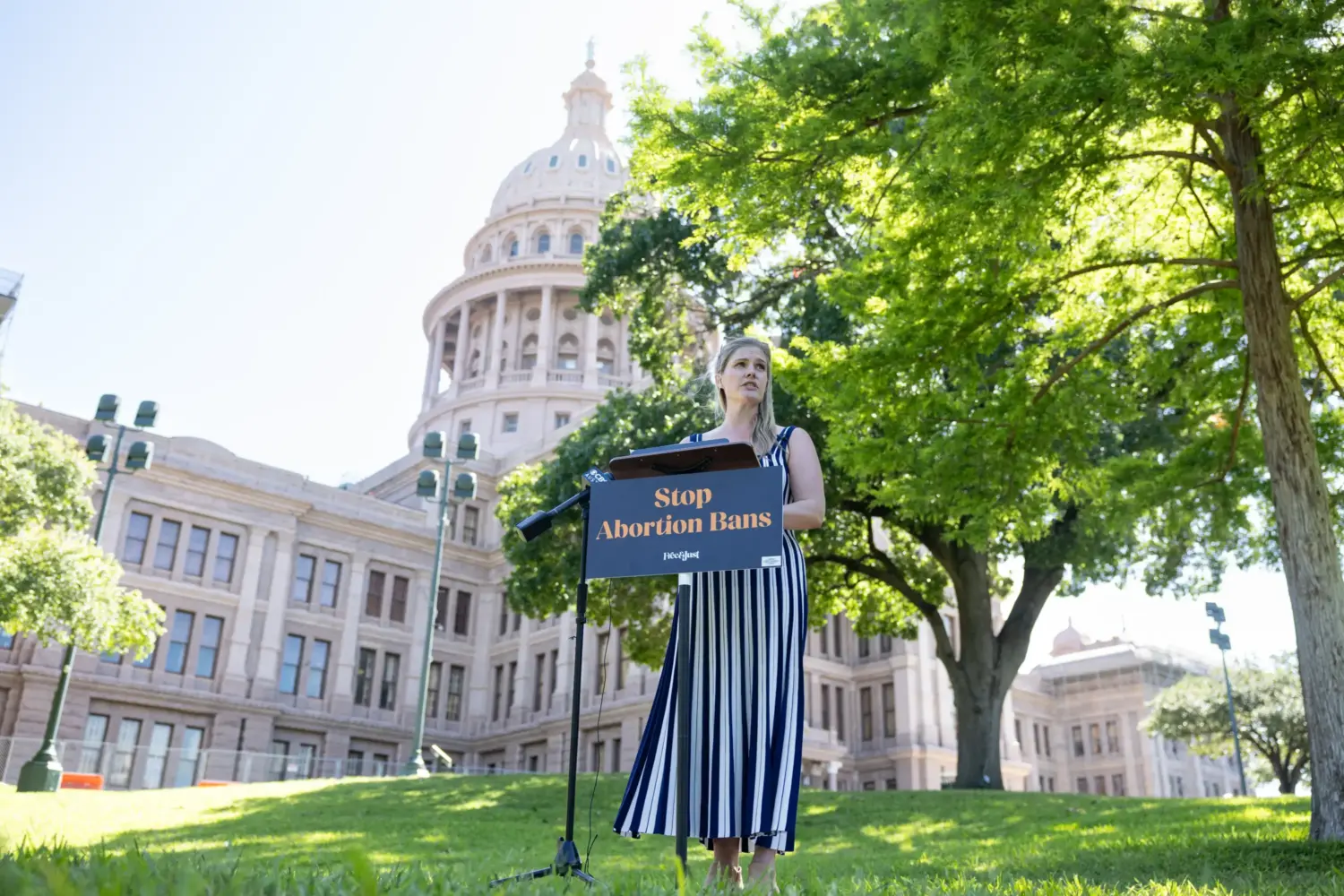
I think it’s way too early. I guess what I’ve learned from just my brief stint in working with the Texas Legislature is … it’s really hard to speculate what could happen.
— Kaitlyn Kash, abortion rights advocate and former lawsuit plaintiff
The legislative reality on the ground remains deeply divided. While the House is poised to see lawmakers pre-file bills that chip away at existing restrictions when the session starts in January, the Texas Senate remains firmly under Republican control, holding 19 of 31 seats. Nancy Sims, a political science lecturer at the University of Houston, notes that undoing three decades of carefully constructed conservative policy will require time, patience, and bipartisan negotiation.
Anti-Abortion Coalitions Prepare to Play Defense
Opposing camps are already drawing battle lines for the upcoming session. John Seago, president of Texas Right to Life, observed that this represents the biggest shift he’s seen in his 22 years of working on pro-life legislation. Yet, Seago and other leaders emphasize that key enforcement pillars remain intact.
Freeborn, CEO of the reproductive rights organization Avow, look toward a horizon that once seemed out of reach.
Before yesterday, Avow was committed to what we were calling another 30-year long-haul fight. Today, we’re standing in the pool of what was called the impossible. So I choose to believe.
— raven e. Freeborn, CEO of Avow
For advocates like Kash, the immediate focus is shifting away from defense toward grassroots mobilization, teaching affected Texans how to engage directly with lawmakers and articulate the real-world impacts of the state’s abortion bans.
Keep reading

Nvidia hardware shipment stolen en route from Oakland to Texas
The $11.4 Million Vanished Shipment A logistics operation involving six pallets of NVIDIA hardware destined for Fort Worth,...

Sand Creek Massacre healing run to conclude with new memorial
A Long Walk to the Capitol On November 29, the annual Sand Creek Massacre Healing Run will conclude...

Madison Earns All-Region Honors and Shines as Dual-Threat
In NCAA Division II baseball, few athletes consistently star as both pitchers and hitters for their teams. Madison’s...

Nilu Jenks Wins Seattle District 5 Election With Pro-Housing Platform
Seattle Election Elects Progressive Urbanist Nilu Jenks to City Council District 5 “Building 1,000 New Units of Affordable...