
A 22-year-old man developed severe rhabdomyolysis. He suffered acute kidney injury requiring intensive care management and hemodialysis after chronic abuse of nitrous oxide, according to a case report published in Cureus. The patient regained dialysis independence after supportive care and substance cessation.
A young patient presented to an emergency department with bilateral lower extremity weakness and numbness. In a recent case documented in medical reporting on nitrous oxide toxicity, he had recently been discharged from an opioid rehabilitation facility. He reported a marked escalation in his use of nitrous oxide, commonly known as laughing gas, consuming about one liter per session while remaining immobile for extended periods.
Emergency Room Results Reveal Massive Muscle Injury
Laboratory results revealed profound skeletal muscle injury, with serum creatine kinase levels exceeding 45,000 U/L—more than 200 times the upper limit of normal. Upon arrival at the emergency department, the patient was alert but visibly uncomfortable. Medical staff conducted a comprehensive urine drug screen, which returned positive results only for marijuana, while tests for amphetamines, barbiturates, benzodiazepines, cocaine, fentanyl, and other substances were negative.
Initial blood urea nitrogen and creatinine levels appeared mildly elevated relative to the massive spike in creatine kinase, a pattern characteristic of early rhabdomyolysis-associated kidney injury. Urinalysis displayed dark urine containing pigmented granular casts and an absence of red blood cells, pointing directly toward acute tubular necrosis driven by myoglobinuria.
Kidneys Fail Prompting Hemodialysis on Day 11
Serum creatinine climbed steadily from an admission value of 1.83 mg/dL to a peak of 14.10 mg/dL by hospital day 11. Although initial muscle rest and intravenous fluid resuscitation helped reduce the patient’s creatine kinase levels, the damage inflicted upon his kidneys proved resistant to simple fluid therapy. To manage the severe acute kidney injury and associated uremia, medical teams initiated renal replacement therapy via a tunneled hemodialysis catheter.
He remained completely abstinent from nitrous oxide throughout his entire inpatient stay. Alongside dialysis, the patient received targeted pharmaceutical support. Clinicians administered high-dose vitamin B₁₂ to counteract nitrous oxide-induced cobalamin inactivation, methocarbamol to control muscle spasms, and gabapentin to manage neuropathic pain.
Patient Discharged After Kidney Function Rebounds
Following inpatient hemodialysis and supportive care, his kidney function rebounded sufficiently to discontinue dialysis and remove the catheter. While severe rhabdomyolysis frequently triggers acute kidney injury in 10% to 40% of cases, this patient’s clinical course demonstrated that substance-induced renal failure can be partially reversible with aggressive intervention.
By the time of his discharge, his serum creatinine had dropped to 1.89 mg/dL. Medical observers note that these post-discharge creatinine values indicate residual impairment. Post-discharge creatinine values remained stable at 1.80 mg/dL during a one-week outpatient follow-up appointment alongside research into regulated cell death pathways in kidney disorders.
Worth a look
- Ebola Outbreaks Linked to Distant Macroclimatic Shifts by Study
- High-Nicotine Vapes Linked to Greater Nicotine Dependence in Young Adults
- Thomas Markle Sr. accused of child sexual abuse in 2018 police letter (newsarchyuk.com)
- $800 Million Settlement for New York Archdiocese Abuse Claims (world-today-news.com)

Ebola Outbreaks Linked to Distant Macroclimatic Shifts by Study
Distant macroclimatic oscillations modify continental rainfall and alter ecological conditions to create seasonal windows that trigger Ebola virus...
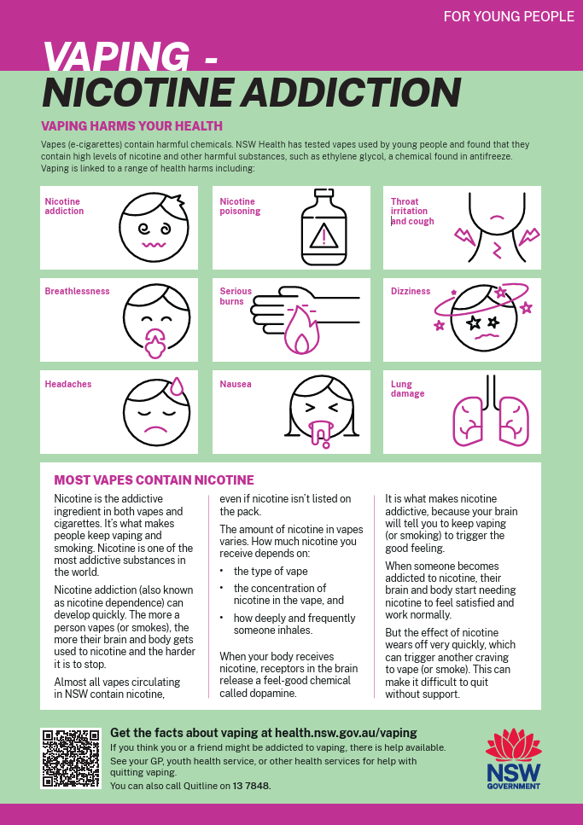
High-Nicotine Vapes Linked to Greater Nicotine Dependence in Young Adults
Between 2017 and 2022, high-nicotine e-cigarette use surged nearly 80 percent among young adults aged 18 to 24...

Very Early-Onset Prosthetic Valve Endocarditis Following TAVI with Aorto-Left Atrial Fistula and Aortic Root Pseudoaneurysm
Very early-onset prosthetic valve endocarditis occurring within 48 hours of transcatheter aortic valve implantation represents an extreme diagnostic...
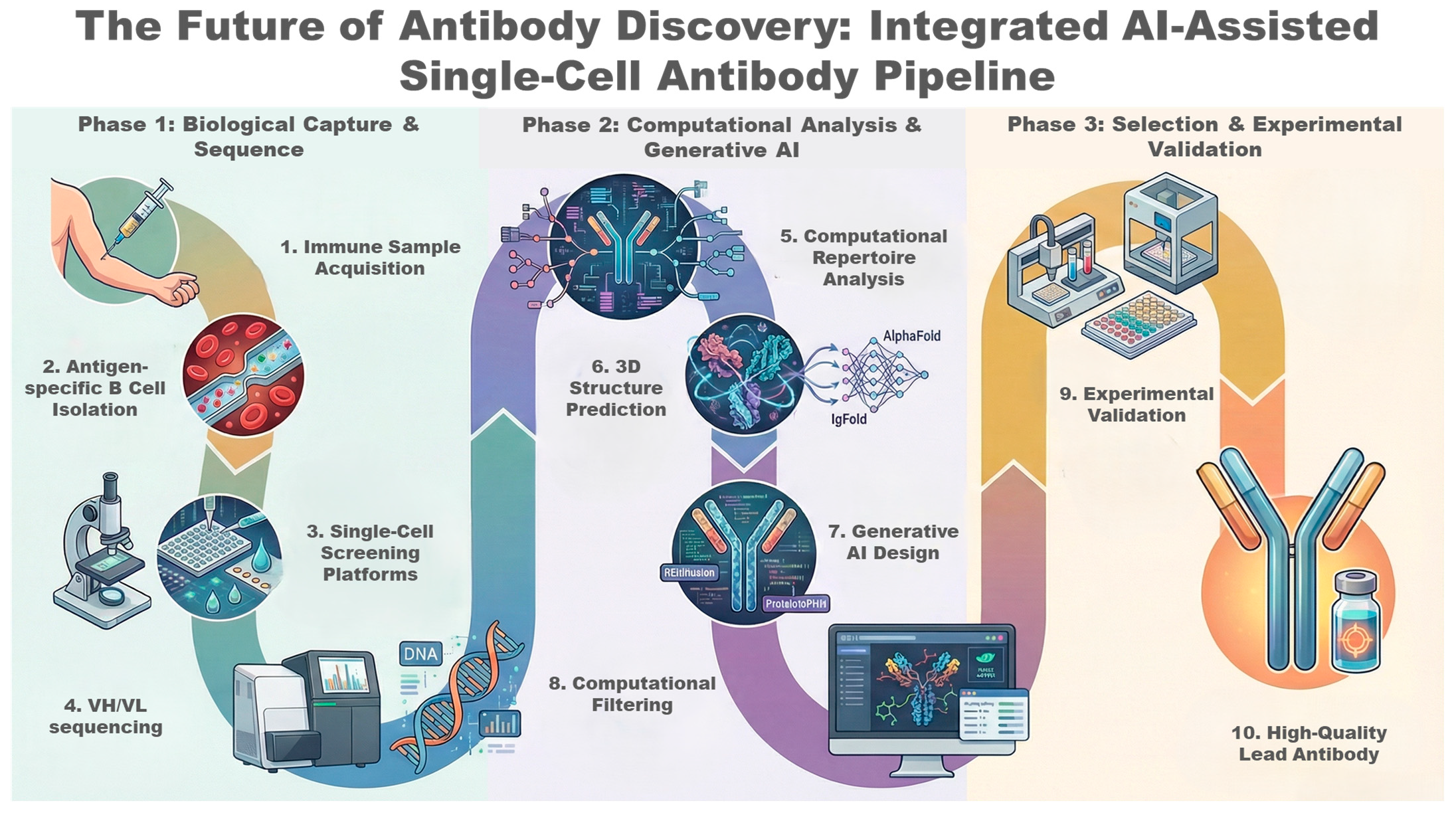
NanoMAP Uses Alpaca Antibodies to Modernize Nanobody Discovery
Tufts University researchers have introduced NanoMAP, a custom computational tool that uses alpaca antibodies to help scientists identify...