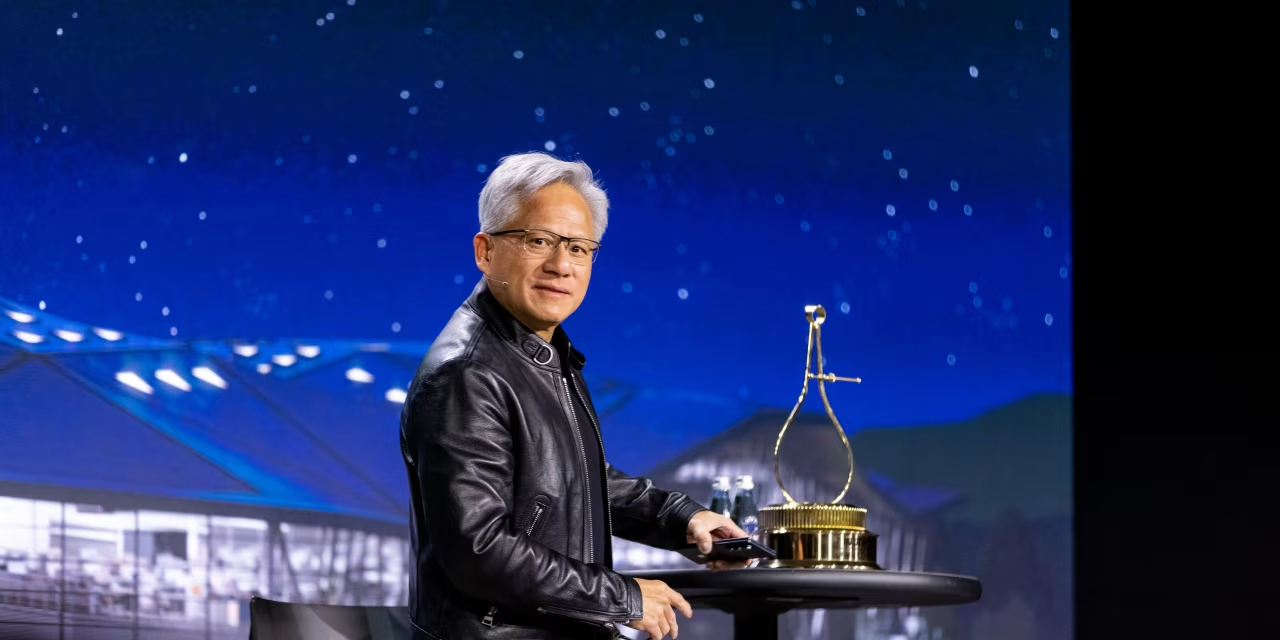
U.S. and Singapore intelligence officials have scrutinized a former executive at data-center firm Megaspeed over suspected Chinese intelligence gathering, raising questions about her contacts with Nvidia Chief Executive Jensen Huang. Nvidia defended the meetings as normal customer engagement, while Beijing dismissed the allegations as groundless.
Federal investigators in the United States and authorities in Singapore and Taiwan have examined the activities of Alice Huang, also known as Huang Le, a Chinese citizen who served as a top executive at the Singapore-based data center company Megaspeed International. According to reporting by The New York Times, American intelligence assessments concluded that she was sharing information with the Chinese government while working alongside Nvidia to construct data centers across Asia. President Donald Trump was briefed on the intelligence findings approximately a year ago, though no administrative warnings were issued to the chipmaker’s chief executive at the time.
The situation gained renewed attention as investigators probed whether Megaspeed had served as a conduit for circumventing U.S. export controls. Commerce Department officials previously scrutinized the firm after inspecting a Malaysian data center and discovering that shipments of advanced microchips remained unopened in their packing boxes. That discovery prompted concerns that the expensive hardware might be redirected elsewhere rather than deployed locally.
Jensen Huang Defends Customer Interactions Amid Ongoing Scrutiny
Nvidia Chief Executive Jensen Huang pushed back against suggestions of impropriety, maintaining that his meetings with the Megaspeed executive fell entirely within the scope of ordinary business operations. In an interview, the chip executive emphasized that the company carefully tracks its hardware deployments worldwide.
Reported Chinese Spy Plot Targeting Nvidia CEO Raises AI Security QuestionsU.S. intelligence reportedly investigated a suspected Chinese espionage operation involving a business contact of Nvidia CEO Jensen Huang, raising questions about security risks surrounding the global AI… pic.twitter.com/zhWO85Zl1c
“We’ve studied all their deployments of our GPUs and counted every one,” he said. “And I think the US government also has as well.”
Jensen Huang, Nvidia Chief Executive Officer
Company representatives echoed that defense, noting that the chief executive meets with thousands of customer executives annually as part of standard corporate duties. An Nvidia spokesperson stressed that regional cloud customers receive only general business information rather than sensitive trade secrets or national security data.
Jensen’s interactions with Ms. Huang are not unusual or unexpected. Meetings with customers are part of a CEO’s job; Jensen talks with thousands of customer executives every year.
Nvidia Spokesperson
Public records and social media postings trace the professional proximity between the two figures back several years. Photographs captured the Nvidia leader alongside Alice Huang at a Taipei establishment following a technology trade show in June 2024.
Singapore Police Investigations and International Trade Restrictions
Singapore authorities have maintained an active investigation into Megaspeed, though local law enforcement agencies declined to elaborate on their findings. Representatives for the Singapore Police Force noted that while the island nation does not enforce unilateral export restrictions enacted by other governments, it enforces domestic statutes against dishonesty and fraud.
Singapore does not implement unilateral export controls imposed by foreign jurisdictions. At the same time, Singapore does not condone businesses deliberately using their association with Singapore to circumvent or violate other countries’ export controls.
Singapore Police Force
Financial records indicate that Megaspeed’s Malaysian sister company purchased at least $4.8 billion in advanced Nvidia equipment between June 2024 and February 2026. Those transactions occurred against a backdrop of tightening geopolitical restrictions designed to keep powerful artificial intelligence hardware out of Chinese hands. While Washington later permitted limited shipments of modified processors under specific regulatory frameworks, export enforcement agencies continue to monitor regional distribution channels for unauthorized diversions.
Diplomatic Pushback and Unresolved Diplomatic Questions
Diplomatic representatives for Beijing strongly rejected the intelligence assessments regarding the corporate executive. Chinese foreign ministry spokespersons characterized the published reports as an unfounded attempt to impede bilateral technological exchanges and cooperation.

Meanwhile, questions remain regarding how intelligence agencies handled the initial surveillance reports and whether administration officials will alter their posture ahead of upcoming diplomatic engagements in Beijing. Neither the White House nor intelligence leadership provided immediate comment on whether surveillance assessments regarding the former Megaspeed executive have been revised since officials first brought the matter to the president’s attention.

Amazon Cuts Price of Pokémon TCG Lucario Collection to Record Low
Collectors can now purchase the Pokémon TCG 30th Celebration Tech Sticker Collection (Lucario) for $49.95 at Amazon, marking...

Why More Parents Are Choosing Accelerated Measles Vaccination Schedules
Measles cases are accelerating in the US, with twice as many confirmed cases as last year. A Shift...
Italy and Indonesia Strengthen Strategic Ties in Trade and Defense
"National prosperity relies on trade openness rather than protectionism." Speaking at the Indonesian Embassy in Rome for the...

UCD awards Ulysses Medal to astrophysicist Dame Jocelyn Bell Burnell
When University College Dublin awarded the Ulysses Medal to astrophysicist Dame Jocelyn Bell Burnell, it added her name...