
The documentary One in a Million, a ten-year project from filmmakers Itab Azzam and Jack MacInnes, captures the evolution of a Syrian refugee family from their perilous escape to their life in Germany. The film follows Israa, who was 11 years old when she first met the filmmakers in İzmir, Turkey, as she grows into adulthood, eventually marrying and having a child of her own.
Azzam and MacInnes originally encountered the family while filming the BBC series Exodus. The family had fled Aleppo after a missile destroyed their home, and they were working in İzmir to raise funds for people-smugglers. The filmmakers remained with the family through their 2015 sea crossing and subsequent journey across Europe, sleeping in streets and traveling on refugee trains alongside them.
The Perilous Crossing
Before the family departed for Greece, Israa’s father, Tarek, expressed the agony of the decision, stating, I’m gambling with the lives of my children.
Tarek, haunted by the death of Alan Kurdi, whose body had washed ashore in Turkey months earlier, urged the filmmakers to tell their story should the crossing end in tragedy.
A Decade of Integration and Growth
After reaching Germany, the family settled in Cologne. While the initial goal of the documentary was to record the trek to safety, the filmmakers continued their work to document the family’s integration and life in their new country.
- 2010: Azzam and MacInnes meet while working together.
- 2011: Following the start of the Syrian uprising, the pair moves from Damascus to London.
- 2015: The filmmakers join Israa’s family on their journey from Turkey to Germany, documenting their movement through Europe.
- Present: The film, which covers Israa’s transition from a child to a young woman, has premiered at the Sundance Film Festival.
Reflecting on the long-term project, Azzam noted that the narrative shifted from a documentation of a journey to a broader exploration of family and love. The filmmakers, who remain close to the family, found that the process became an emotional rollercoaster
that captured the complexities of displacement and assimilation.

CGI Montreal Unites 400 Campers for Standing Side by Side Music Video
CGI Montreal Stages Live Performance of "Standing Side by Side" More than 400 campers and counselors at Camp...

Garth Brooks Announces 10-Date Irish Tour for 2027 Across Five Cities
Garth Brooks has announced a 10-date tour across five Irish cities for May and June 2027, marking a...
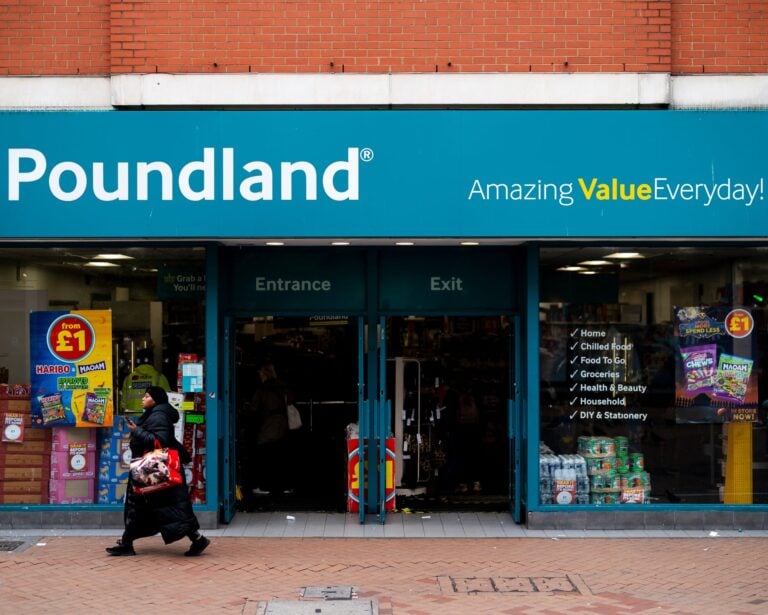
Gordon Brothers Faces Political Pressure Over Poundland Job Risks
Poundland’s US-based owner, Gordon Brothers, is facing intense political pressure after filing a notice to appoint administrators for...
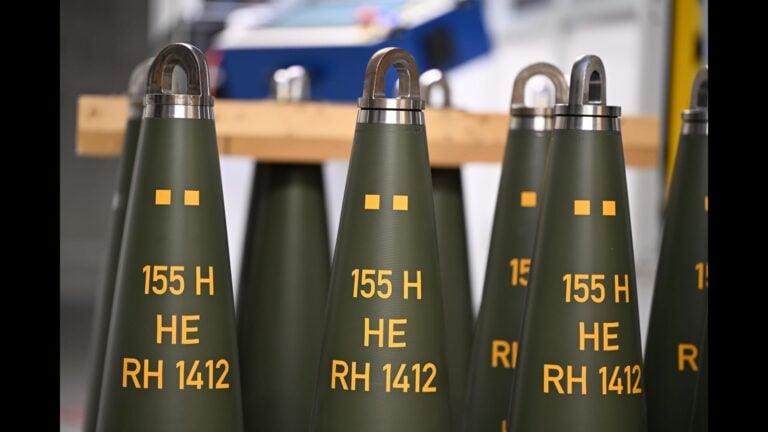
Rheinmetall Shares Drop 13% After Sales and Margin Outlook Cut
Rheinmetall shares dropped 13% on Thursday, marking the largest decline in the STOXX 600, after the German defense...