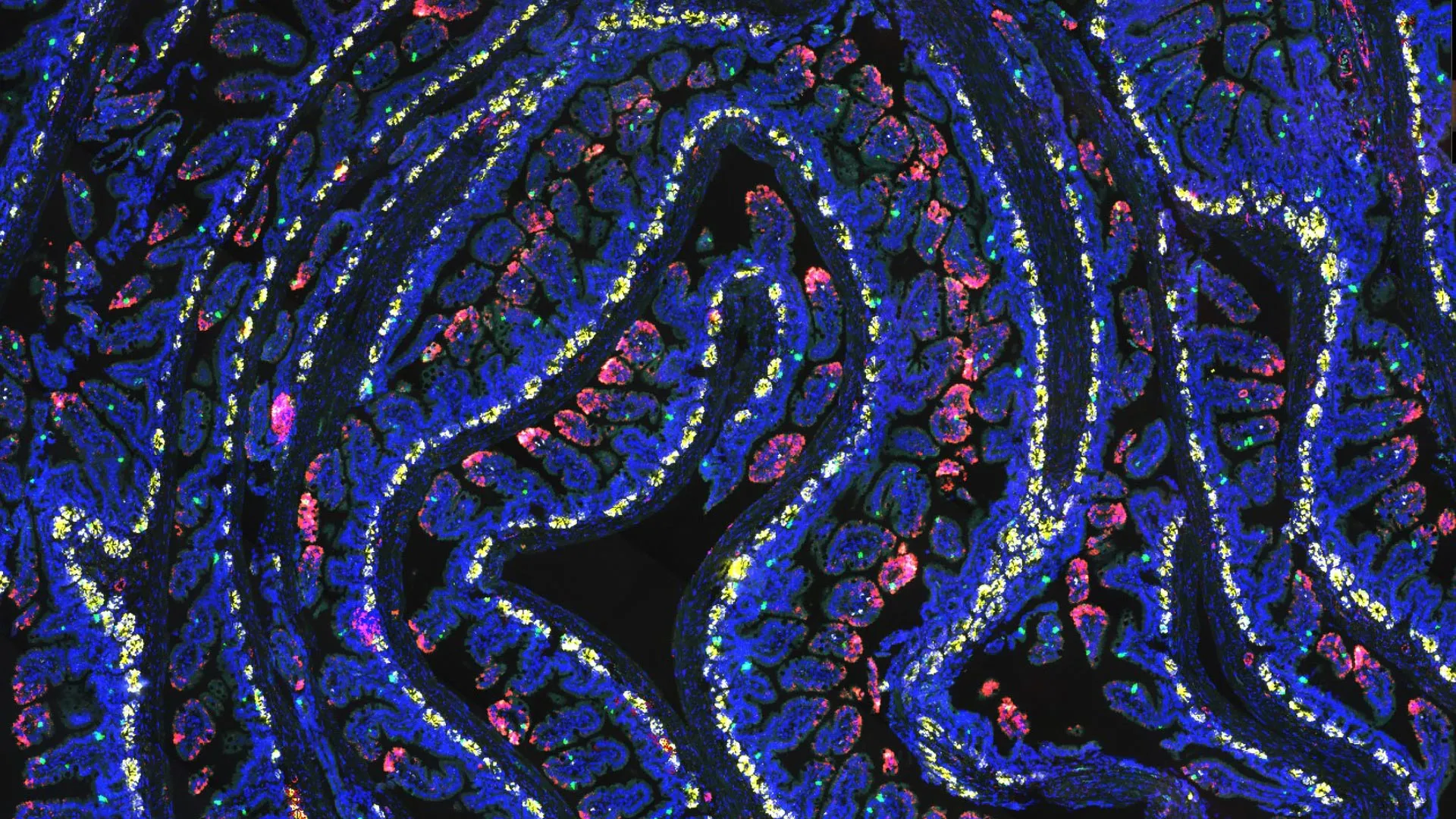
A 24-Hour Fast Triggers Gut Repair After Radiation Exposure
A 24-hour fast may do more than just change a patient’s metabolism; it appears to prime the small intestine for recovery following radiation damage. New research from The University of Texas MD Anderson Cancer Center, published in the Proceedings of the National Academy of Sciences, identifies a specific gut bacterium that acts as a critical coordinator in this biological emergency preparedness plan. By uncovering how nutrition and microbes interact to trigger cellular regeneration, researchers are charting a path that could eventually make abdominal cancer treatments safer for patients.
Radiation therapy remains a cornerstone of treatment for pancreatic, colorectal, and gynecologic cancers, yet its effectiveness is often constrained by the vulnerability of the small intestine. Because the lining of the gut is highly sensitive to radiation, patients frequently suffer from nausea, diarrhea, and infections, which can lead to life-threatening complications. These side effects often force clinicians to limit the radiation dose, potentially compromising the efficacy of the cancer treatment itself.
The Role of Akkermansia Muciniphila
The study, co-led by Helen Piwnica-Worms, Ph.D., and Kunal Rai, Ph.D., found that a 24-hour fast significantly increases the abundance of a beneficial bacterium known as Akkermansia muciniphila, or AKK. This microbe produces propionate, a substance that helps modify proteins called histones. These modifications alter the accessibility of DNA, effectively flagging specific genes for activation that are essential for tissue regeneration.
Fasting helps prepare intestinal cells to respond more quickly and effectively after injury, almost like training the cells with an emergency preparedness plan. This study helps explain how that plan is organized and identifies a key bacterium involved in coordinating the response.
When the researchers selectively removed AKK from the gut, the protective benefits of fasting vanished. The regenerative response was only restored when the bacterium was reintroduced alongside the fasting protocol. This indicates that neither fasting nor the presence of the bacterium is sufficient on its own; they function as a biological partnership to place intestinal cells in a state of readiness for potential damage.
Translating Preclinical Findings to Patient Care
While these results offer a promising strategy to protect healthy tissue, the research is currently limited to preclinical models. The National Cancer Institute (NCI) and the Cancer Prevention and Research Institute of Texas (CPRIT) funded this investigation, which now faces the challenge of determining whether the same mechanism operates in human patients.
Beyond the intestine, the researchers are investigating whether this pathway could protect other tissues with rapidly dividing cells, such as bone marrow, which is also frequently damaged during cancer therapy. The practicalities of requiring patients to fast before radiation treatment remain a hurdle, leading the team to explore alternative interventions.
Targeted therapies that utilize beneficial bacteria or their metabolites could theoretically trigger these same repair processes without requiring patients to undergo food restriction. As Kunal Rai, Ph.D., noted, the ultimate goal is to enhance the recovery of healthy tissue while patients continue to receive necessary cancer therapies. Future clinical trials will be required to see if these laboratory findings can translate into improved outcomes in a clinical setting.
The study builds on previous work from the Piwnica-Worms Laboratory, which first established the link between fasting and intestinal recovery. By identifying the specific microbial and molecular mechanisms involved, the current research provides a roadmap for potentially reducing the long-term toxicity of abdominal radiation treatments.
Keep reading

LG and Samsung OLED TVs See Major Early Black Friday Price Cuts on Amazon
Shopping season brings deep price cuts on home theater equipment ahead of the holidays, with major retailers dropping...
SADC malaria efforts face funding cuts and climate shocks
Malaria control and elimination efforts across the Southern African Development Community face a critical turning point as climate...

Civil Engineer Alleges Age Discrimination in Job Market Search
Fifty applications sent over twelve months yielded a total response of zero, leaving a certified civil engineer to...

North Pennines National Landscape Adopts New Climate Strategy
Countryside managers across the North Pennines National Landscape have adopted a new five-year strategy focused on climate readiness...