Malaria control and elimination efforts across the Southern African Development Community face a critical turning point as climate shocks collide with sudden funding cuts. As reported by The Conversation, case numbers have climbed across the region over the past two years, reversing hard-earned public health gains and threatening the World Health Organization’s target to eliminate the disease by 2030.
Four nations within the bloc—the Democratic Republic of Congo, Mozambique, Angola, and Tanzania—carry some of the heaviest malaria burdens globally, calculated by the annual number of new cases per 1,000 people at risk. According to the World Malaria Report, these four countries alone account for 22.9% of the worldwide malaria burden. National programs are now stretched thin just as overlapping environmental and financial crises demand immediate responses.
Funding Gaps and the 2025 US Aid Cutback
The financial foundation supporting these public health programs shifted dramatically following the sudden end of United States government funding for essential malaria control activities in 2025. This withdrawal created severe obstacles for the Global Fund in meeting its replenishment target of US$18 billion for Grant Cycle 8. Consequently, country allocations running from 2026 to 2028 sit on average 18% lower than previous cycles.
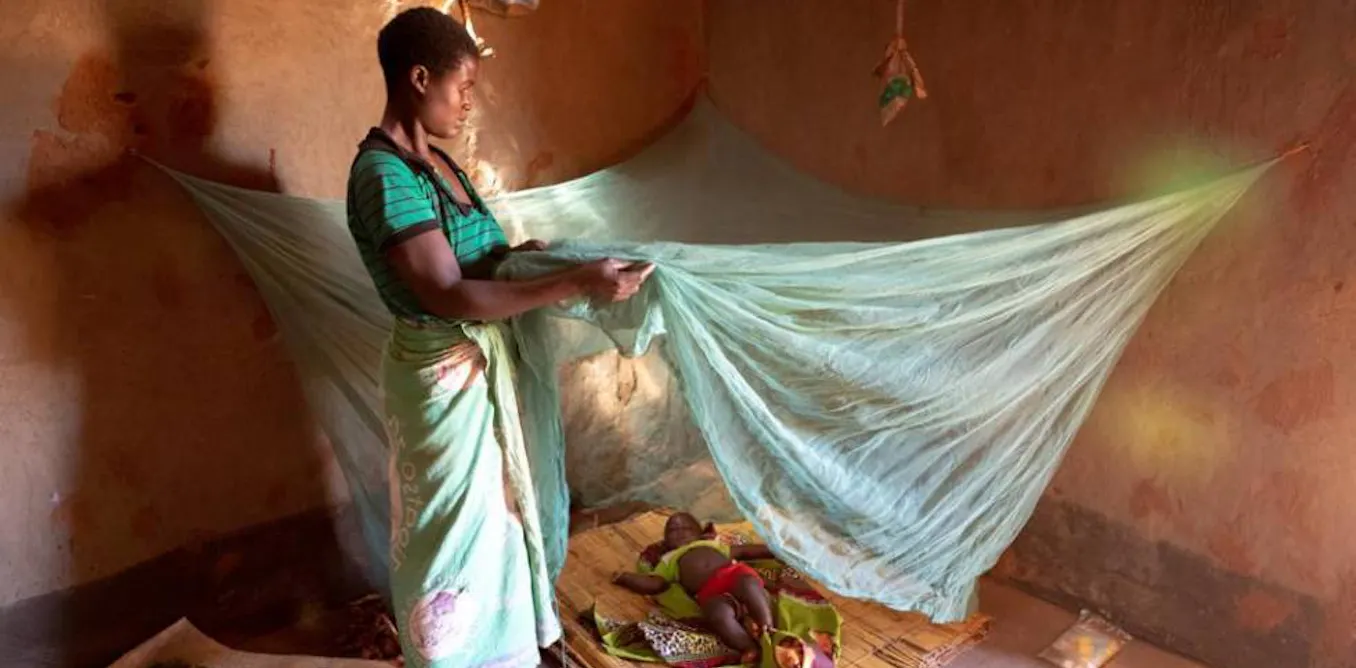
With fewer resources available, health ministries must make difficult choices about who receives protection, scaling back the distribution of insecticide-treated bed nets, dropping malaria indicator surveys, and reducing preventive drug programs. While interventions focusing on the most vulnerable populations are prioritized, less vulnerable groups face widening protection gaps, and long-term elimination projects are pushed aside.
Kandawe outreach clinic in Chinyonga village 🇲🇼: 5-month-old Ephridah got vaccinated. After the #malariavaccine, she will continue to use bednets as protection from malaria. pic.twitter.com/hcibmrepzX
South Africa is a distinct exception, funding nearly all of its national malaria program domestically. Most other regional programs, however, have historically depended on donor contributions, exposing deep structural vulnerabilities when international priorities shift.
Climate Shocks Drive Surges in Mozambique and Zimbabwe
Extreme weather events compound these financial strains. The La Niña weather system brought severe flooding to several SADC countries in early 2026, destroying infrastructure and displacing local communities. These floods triggered sharp spikes in transmission.
Mozambique recorded a 55% increase in cases during the first six weeks of 2026 compared to the same period in 2025. Meanwhile, Zimbabwe reported 65,399 cases in the first quarter of 2026, nearly doubling its figures from the first quarter of the previous year. Displaced individuals frequently cross borders to access basic services, placing heavy pressure on neighboring healthcare systems and increasing the risk of drug stockouts.
Data from the International Organization for Migration and the United Nations High Commissioner for Refugees estimated roughly 11.4 million forcibly displaced individuals in the SADC region in 2025, marking a 35% increase from 2023.
Genetic Changes Make Malaria Treatments Less Effective
Beyond funding shortages and floods, scientists have confirmed that genetic changes in the malaria parasite are rendering recommended treatments less effective in certain areas. Monitoring these shifts requires advanced laboratory infrastructure that many SADC nations lack.
Skilled entomologists remain scarce within national programs, limiting the ability to track mosquito populations and test for insecticide resistance. Without strong genomic surveillance hubs to detect emerging drug and insecticide resistance early, the region faces an elevated risk of treatment-resistant outbreaks and rising mortality rates.
Achieving the Global Technical Strategy for Malaria targets by 2030 will require African governments to expand domestic investments, share data promptly, and utilize existing regional specialists for cross-border collaboration and peer-to-peer capacity building.

LG and Samsung OLED TVs See Major Early Black Friday Price Cuts on Amazon
Shopping season brings deep price cuts on home theater equipment ahead of the holidays, with major retailers dropping...

Civil Engineer Alleges Age Discrimination in Job Market Search
Fifty applications sent over twelve months yielded a total response of zero, leaving a certified civil engineer to...

North Pennines National Landscape Adopts New Climate Strategy
Countryside managers across the North Pennines National Landscape have adopted a new five-year strategy focused on climate readiness...

WHO and Yemen aim to vaccinate 957,196 children against measles and rubella
Reaching Nine Hundred Thousand Children Across Southern Yemen in a New Measles and Rubella Drive Nearly one million...