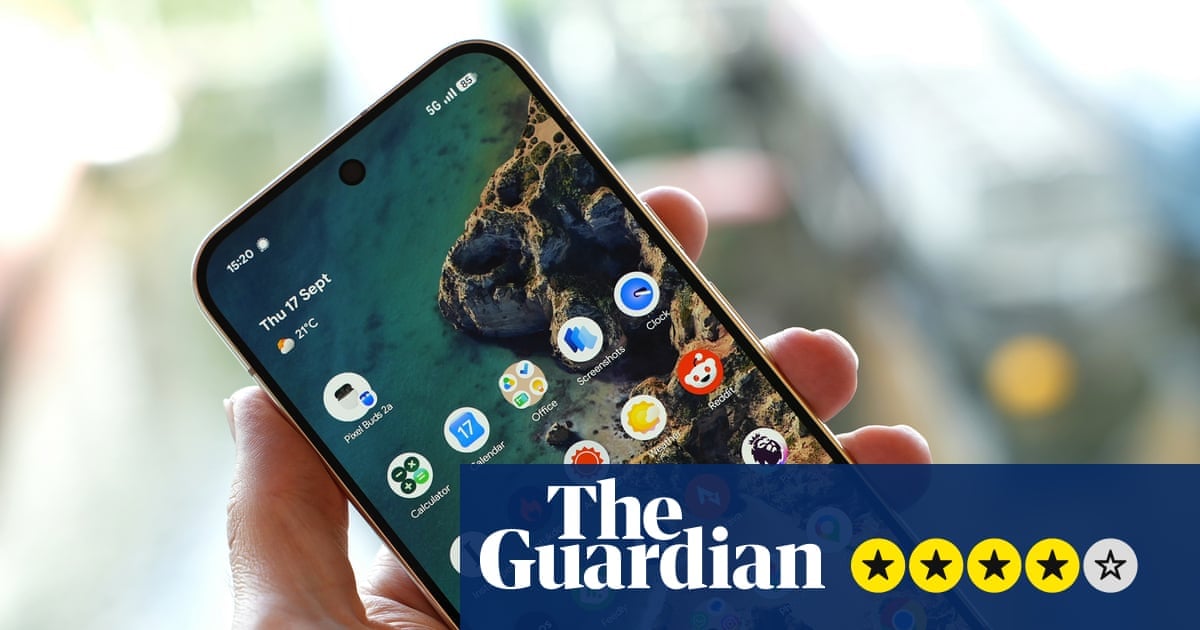
Google released its large-screen flagship smartphone, the Pixel 11 Pro XL, priced starting at $1,099 in the US and £1,279 in Europe, featuring a 6.8-inch QHD+ OLED display, the Tensor G6 processor, advanced AI tools like Gemini Omni, and a triple rear camera system.
Hardware Design and the HiLight LED Bar
The Pixel 11 Pro XL arrives as one of the largest smartphones available in Europe and the US, competing directly against Samsung’s Galaxy S26 Ultra and Apple’s iPhone 18 Pro Max. Built around a tried-and-tested formula for super-sized Google devices, the phone features a 6.8-inch OLED screen on the front, polished aluminum sides, and a glass back dominated by a prominent camera bar. The physical dimensions measure 162.7 x 76.5 x 8.5 mm while weighing 226g, making it fractions smaller and lighter than its predecessor, though the difference is barely noticeable in hand.
A notable visual and functional addition to the camera visor is the HiLight, an LED light built directly into the glass-covered bezel. While Google intends the feature to serve as a notification tool—such as glowing in a specific assigned color when a favorite contact calls or when the user queries Gemini while the phone rests face down—it functions essentially as a nerfed notification light reminiscent of older mobile tech. The feature is absent on the base Pixel 11, meaning only buyers of the higher-tier Pro models have access to it, with plans to expand its utility to text messaging later.
Display Specifications and Battery Performance
Underneath the polished exterior, the device packs a 6.8-inch QHD+ OLED screen boasting a 120Hz refresh rate and a peak brightness of 3,600 nits, alongside a high resolution of 486 ppi. Powering the hardware is a 5,115 mAh battery paired with the Google Tensor G6 processor. Unlike competitors focused on raw gaming performance, Google engineered the Tensor G6 chip primarily to manage thermals efficiently during day-to-day tasks rather than raw speed.
Battery endurance generally delivers between a solid day and a half to two days on a single charge under mixed usage conditions. When it is time to recharge, the XL supports 45W wired charging—an upgrade exclusive to the XL model, whereas the standard Pixel 11 Pro charges at 30W—alongside 25W Qi2 wireless charging. A complete wired charge requires approximately 90 minutes using a compatible 45W or greater USB-C adapter.
Camera Capabilities and Software Tools
The triple rear camera system houses a 50-megapixel wide lens, a 48-megapixel ultra-wide lens, and a 48-megapixel 5x telephoto lens, complemented by a 42-megapixel front-facing selfie camera. Photography enhancements include a significantly faster Night Sight mode that operates roughly three to four times quicker than previous iterations while improving sharpness and detail. A new Magic Capture mode automatically records both video and photos with a single shutter press, designed for social gatherings and active settings.
Zoom functionality extends through a 10x magnification crop zoom and stretches up to 30x digital zoom before generative AI processing takes over to boost magnification up to 120x. Additionally, the new Camera Looks feature allows users to manually modify how the phone captures and processes images. On the software side, the device ships with Android 17, guaranteed software updates through August 2033, and a six-month subscription to the Google AI Pro tier.
Artificial Intelligence Integration and Mixed Results
Google has infused the 2026 flagship lineup heavily with Gemini-powered artificial intelligence features, yielding varied practical results during testing. Standouts include the proactive Gemini information suggestions and the Rambler voice dictation tool built directly into the keyboard. However, other heavy-hitting AI inclusions face friction.
Live Translate for Media, a tool designed to take foreign-language video and dub over the audio in English using an AI voice matching the original speaker, delivered inconsistent performance. Testing across multiple video sources showed it failed entirely on music videos and extended conversational clips, though it functioned reasonably well on documentary-style content despite a noticeable audio delay and synchronization struggles when scrubbing through video timelines.
Global Pricing, Storage Tiers, and Sustainability
Pricing for the flagship begins at $1,099 in the US, while European and international markets face a starting cost of £1,279 (€1,399/$1,299/A$2,099). This represents an increase over previous generations driven by the rising cost of RAM. Storage configurations range from 256GB up to 1TB, paired with 12GB or 16GB of RAM depending on the selected variant. Buyers in the US must rely entirely on eSIM functionality, as models sold domestically lack the physical SIM card slot retained in units shipped to the UK, EU, and Australia.

On the environmental front, the device incorporates 33% recycled materials by weight, and the internal battery is engineered to endure over 1,000 full charge cycles while retaining at least 80% of its original capacity. Google supports third-party and self-repair methods with publicly available parts and manuals, alongside a complimentary recycling program for older hardware.
Worth a look
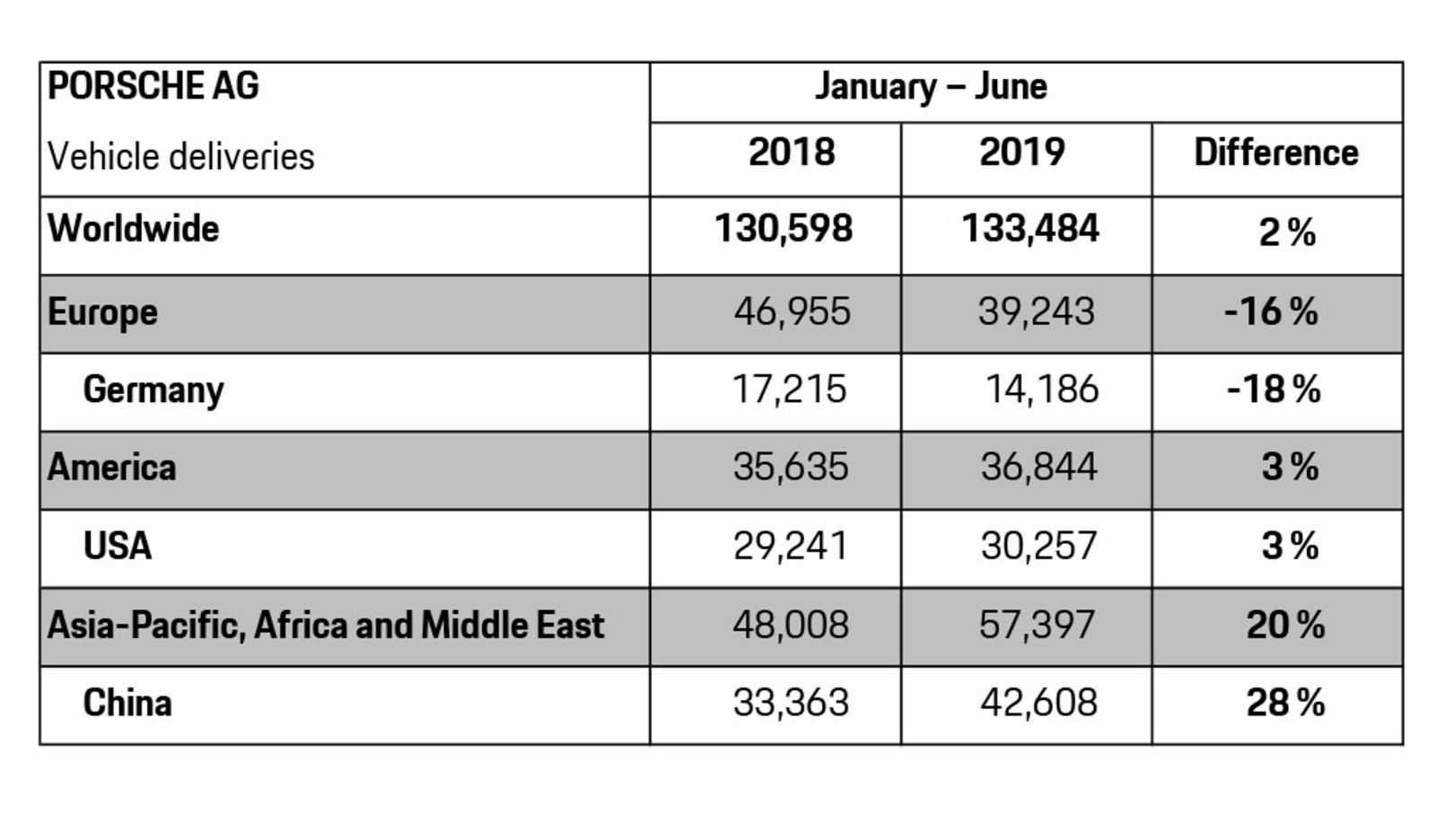
Porsche Posts Higher First-Half Profit Despite Drop in Vehicle Deliveries
The financial result exceeded the average projection of analysts surveyed by S&P Global Visible Alpha, which stood at...
Apple iOS 27 Update Lets Users Hide Messages Dictation Button
Apple’s iOS 27 update introduces a small layout change that lets iPhone users hide the Messages dictation button,...

Audi Delays Audi A4 e-tron to 2029 Due to Electrical Architecture Shift
Audi has delayed its upcoming Audi A4 e-tron to at least March 2029 due to technical adjustments and...

LPG Aadhaar Authentication Mandatory for Subsidised Refills by Oct 1, 2026
Domestic liquefied petroleum gas consumers across India must complete Biometric Aadhaar Authentication by October 1, 2026 to continue...