
Southeast Asian Wildlife Faces Extinction Risks
The dense forests, sprawling river systems, and isolated islands of Southeast Asia harbor some of the world’s most biologically distinct animals, many of which remain under severe pressure from habitat loss and human activity. According to reporting by The Southeast Asia Desk, species ranging from the giant Komodo dragon to the elusive saola now face critical survival challenges that threaten to permanently alter the region’s biodiversity.
Komodo Dragons and Island Fragility
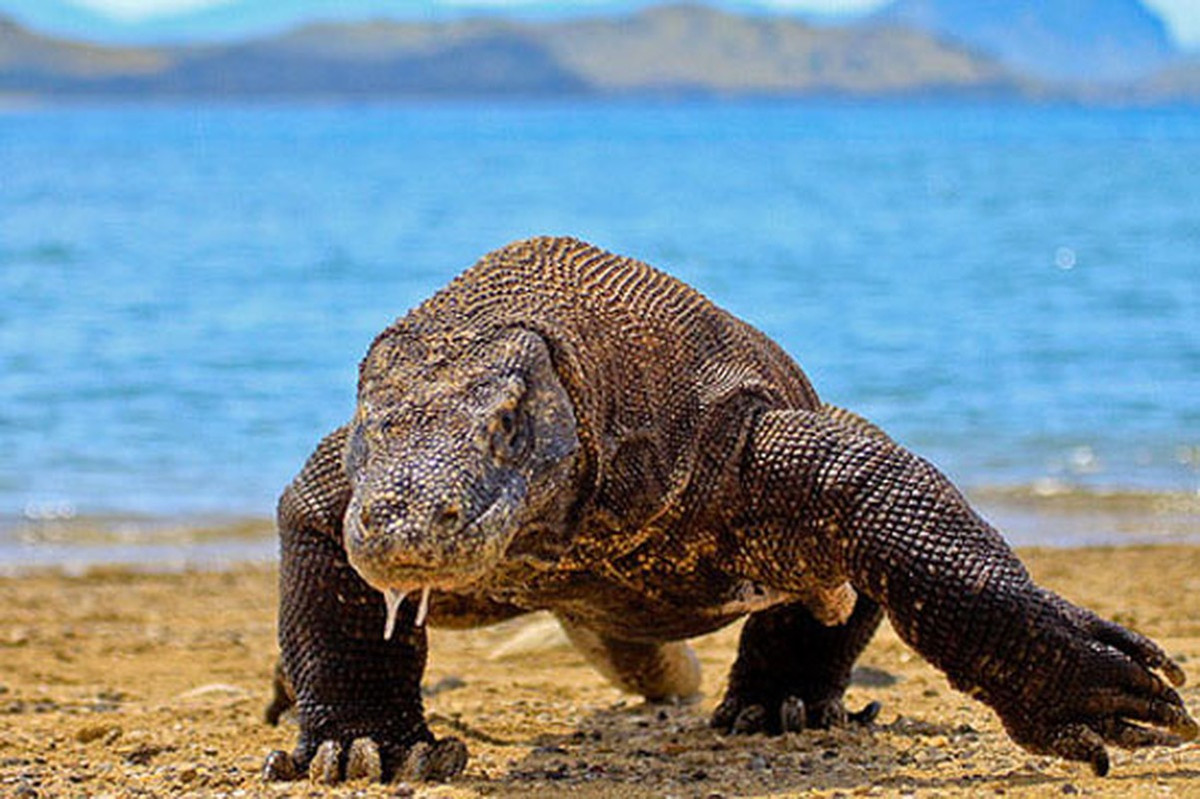
In Indonesia, the Komodo dragon remains the world’s largest living lizard, capable of reaching three meters in length. These reptiles, found primarily on islands such as Komodo and Rinca, utilize specialized sensory organs to detect scent particles via their forked tongues. Despite their status as apex predators, the species is vulnerable to environmental shifts. The Southeast Asia Desk notes that habitat degradation, a decline in available prey, and climate-driven changes to island geography pose significant threats to their long-term stability.
The Elusive Saola of the Annamite Mountains
Scientific documentation of the saola, often referred to as the “Asian unicorn,” did not occur until 1992, marking the first discovery of a large mammal new to science in over 50 years. Residing in the thick, rugged terrain of the Annamite Mountains along the border of Vietnam and Laos, the animal remains notoriously difficult to track. Researchers have captured very few images of the species, and its population size remains uncertain. Threats from snares, hunting, and habitat fragmentation have placed the saola at high risk of extinction before researchers can fully understand its behavioral patterns.
The Philippine Eagle’s Reproductive Bottleneck
The Philippine eagle, or haribon, stands as the national bird of the Philippines and one of the largest birds of prey globally. These eagles require vast expanses of forest to maintain their hunting and breeding grounds. The species faces a biological challenge: breeding pairs typically produce only one egg every two years. This slow reproductive rate prevents rapid population recovery in the wake of forest destruction and hunting. As a critically endangered species, the survival of the haribon is directly tied to the preservation of undisturbed canopy space.
Borneo’s Proboscis Monkeys and Shared Habitats
The proboscis monkey, known locally in Indonesia as monyet belanda, is uniquely adapted to the river and mangrove environments of Borneo. Males of the species are characterized by large, prominent noses, which serve as tools for communication and mate attraction. These primates are adept swimmers, utilizing partially webbed feet to navigate rivers. Because Borneo is shared by Indonesia, Malaysia, and Brunei, the protection of this species requires international cooperation to secure cross-border habitats against the ongoing encroachment of deforestation.
Tarsier Populations and Environmental Stress
Tarsiers represent some of the smallest primates in maritime Southeast Asia, found across islands in the Philippines and Indonesia. Their anatomy is defined by eyes roughly the size of their brains, an adaptation for nocturnal hunting that requires them to rotate their heads like owls due to fixed sockets. While they appear small, tarsiers are specialized hunters that feed on insects and small vertebrates. The Southeast Asia Desk reports that these animals are highly sensitive to captivity and are currently threatened by the illegal pet trade and the loss of their natural forest environments.
The conservation of these species is a matter of regional environmental stability, as habitat loss in Southeast Asia directly affects the survival of endemic wildlife found nowhere else on Earth. The reliance of these animals on specific, undisturbed ecosystems serves as a baseline for the broader ecological health of the region.
Worth a look

Ireland to Lead EU Climate Negotiations at COP31 Summit in Turkey
Ireland Steps Into Leading EU Role as COP31 Climate Summit Opens in Turkey Ireland will assume a central...

Philippines launches transnational education strategy for 2027 to 2030
Countries across Asia are stepping up efforts to attract international university partnerships, with the Philippines launching a transnational...

Technical Flaw Stalls Triple Lock Referendum Plan
The Failed Triple Lock Petition and the Constitutional Snag in Dublin A broad leftish political bloc had scheduled...

Why Indonesia Needs More Think Tanks to Drive Golden Indonesia 2045
Indonesia possesses only 37 registered think tanks, a figure that stands in stark contrast to its status as...