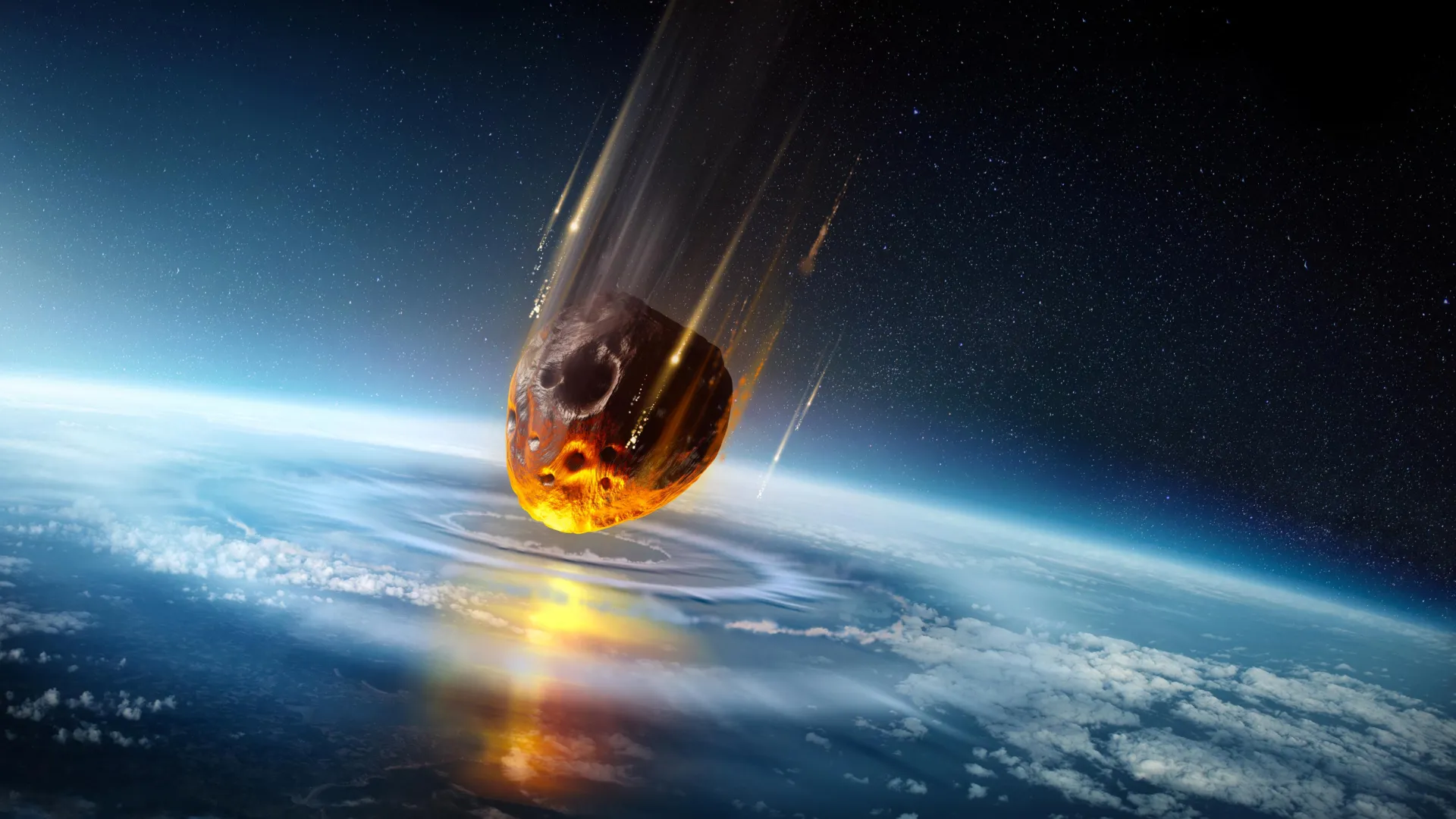
Researchers have identified the object that caused the mass extinction 66 million years ago as a rare CO carbonaceous chondrite. Using precise nickel isotope analysis, the team determined the asteroid was an unusual, pristine projectile that likely triggered global catastrophe through fine debris rather than sulfur, as reported in Science Advances.
Identifying the Chicxulub Impactor Through Nickel Isotopes
For decades, the exact nature of the asteroid that struck the Yucatán Peninsula has remained a subject of intense scientific scrutiny. Now, a team of researchers from the University of British Columbia (UBC), along with institutions in Paris, Brussels, and Vienna, has utilized advanced nickel isotope analysis to determine the composition of the Cretaceous-Paleogene impactor.

The process of identifying the impactor was physically and technically demanding. According to the Vrije Universiteit Brussel (VUB), researchers had to examine samples from thin layers of marine clay formed at the time of the impact. Because the six-to-nine-mile-wide asteroid vaporized almost entirely upon hitting the Earth, only minute traces of its material remain preserved in the geological record.
“Only a minute fraction of the projectile is preserved in the planet’s KT clay layer because the entire meteorite vaporized upon impact.”
Dr. Philippe Claeys, visiting professor at UBC
Why CO Chondrites Change Theories on Extinction
The discovery that the impactor was a CO chondrite provides new clarity on how the collision caused the extinction of approximately 75 percent of all species. Previously, some scientists hypothesized that sulfur contained within the meteorite played a major role in the resulting climate collapse. However, the composition of CO chondrites suggests otherwise.
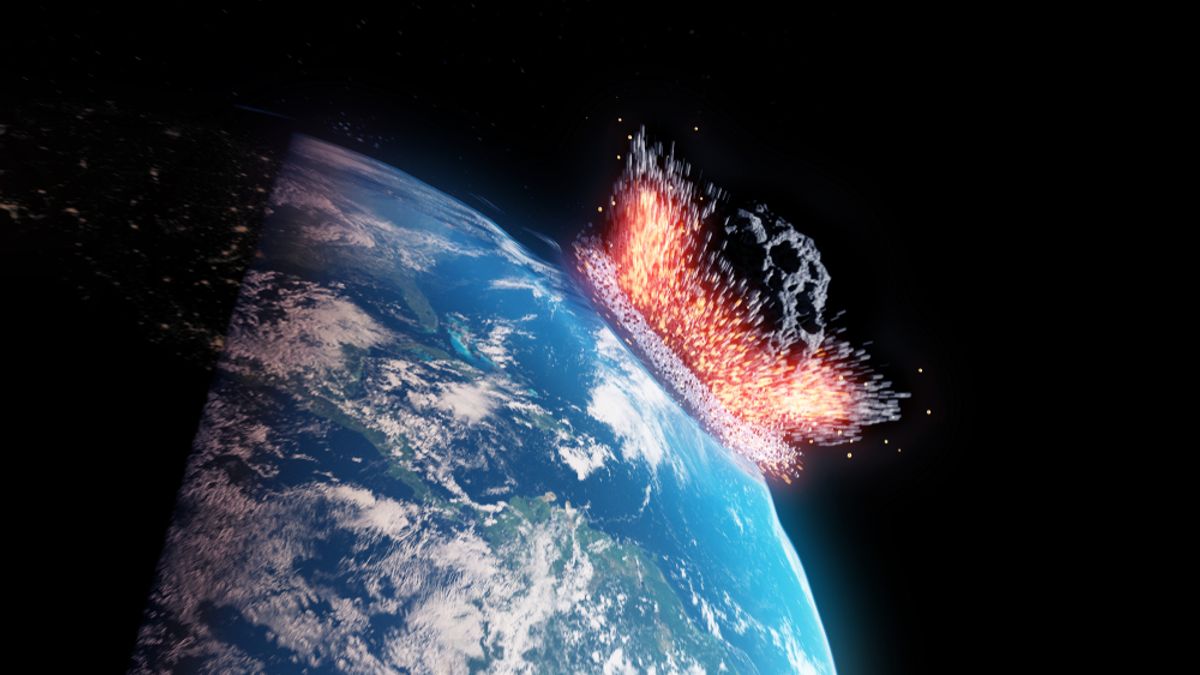
This finding makes it less likely that the sulfur from the impactor itself was the primary driver of the mass extinction. Instead, the evidence points toward the massive quantities of fine dust and debris ejected into the atmosphere as the decisive factor in the planetary catastrophe.
The Rarity of the Cosmic Strike
The classification of the Chicxulub asteroid as a CO chondrite highlights the extreme statistical unlikelihood of the event. According to The Independent, carbonaceous chondrites constitute only about 5 percent of all meteorites sampled on Earth, with the CO class representing an even smaller, more primitive fraction of that group. These materials are considered some of the most unaltered remnants from the early formation of the solar system.
Researchers suggest the asteroid originated from the outer regions of our solar system or the distant edge of the asteroid belt near Jupiter. For the dinosaurs, this represented a stroke of profound misfortune; had the impactor been a more common type of space rock, the environmental consequences might have differed significantly.
Dinosaur Biodiversity in the Final Days
While the asteroid research focuses on the impactor, separate findings clarify the state of the dinosaur population immediately preceding the strike. A study published in the journal Science, focusing on the Naashoibito Member fossil site in New Mexico, indicates that diverse and healthy dinosaur populations were thriving within 340,000 years of the impact.
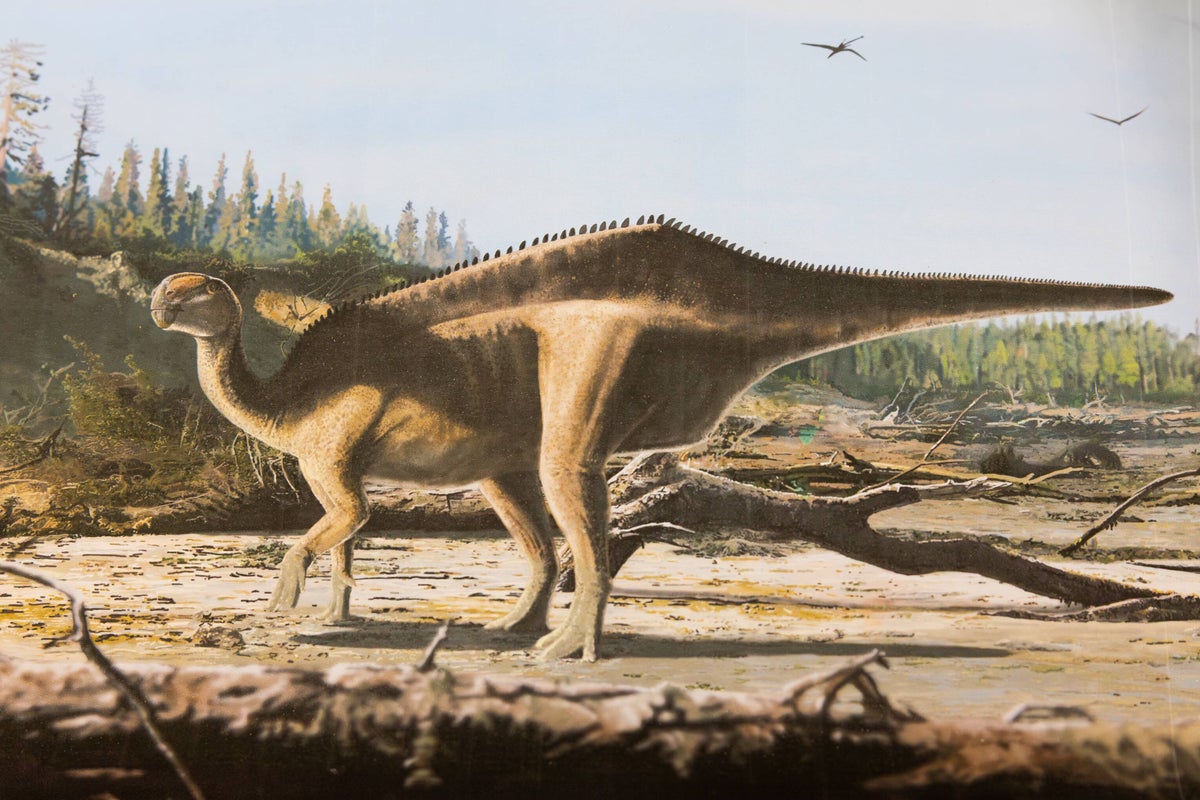
The data refutes the theory that non-avian dinosaurs were already in a state of terminal decline during the Maastrichtian age. Instead, the findings suggest the ecosystem was robust right up until the asteroid, which one researcher characterized as asteroid Armageddon
, caused an abrupt, massive extinction event.
Uncertainties and Future Research
Despite these advances in chemical fingerprinting and paleontology, several questions remain. While the team has identified the class of the impactor, the precise origin point within the outer solar system is still a matter of scientific estimation. Furthermore, while the New Mexico fossils show a thriving ecosystem, researchers acknowledge that our understanding of Maastrichtian biodiversity remains limited by the geographic concentration of known fossil sites, primarily in North America.
The integration of isotope geochemistry and high-precision fossil dating continues to refine the timeline of the Cretaceous-Paleogene boundary.
Keep reading
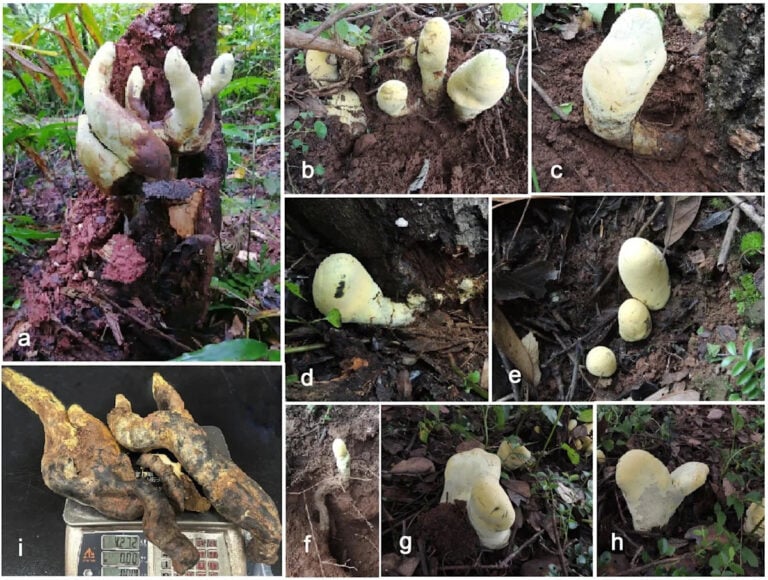
Researchers in southwestern China discovered a nearly 5-pound fungus so unique it required a new family
Researchers in southwestern China have discovered a towering new fungus species, Dianjunus rex, that grows up to 50...
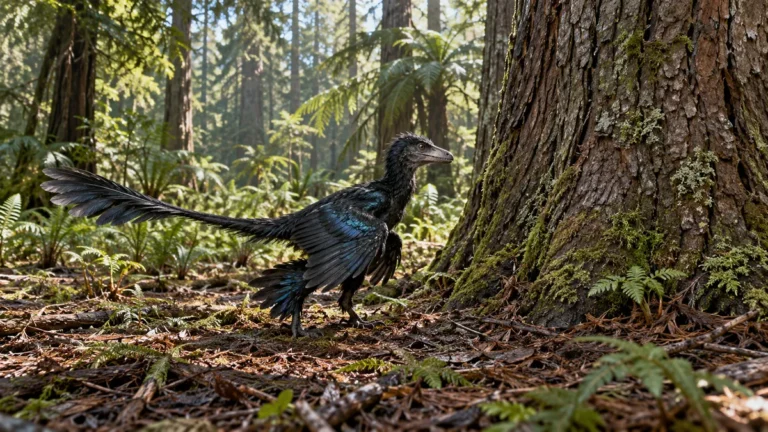
Microraptor was a very small, feathered dinosaur with wings on its legs as well as its arms
Discovered in northeastern China, Microraptor is a diminutive, feathered dinosaur renowned for its four wings and shimmering plumage,...
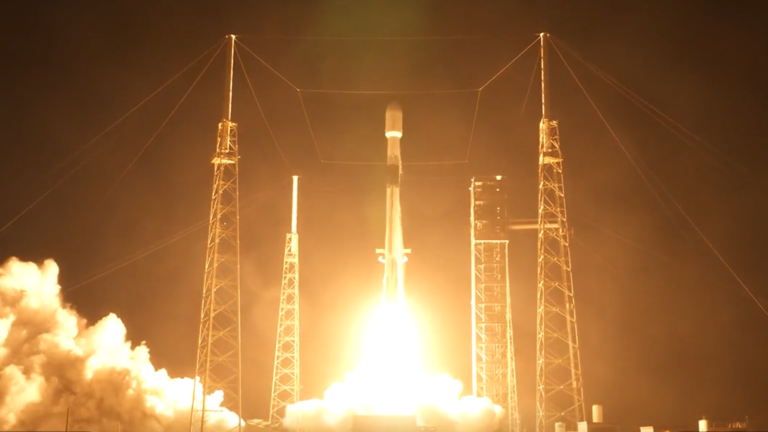
SpaceX Launches Starfall Return Capsule for Second Time
SpaceX launched the uncrewed Starfall reentry capsule for the second time on October 20, 2026, from Cape Canaveral...
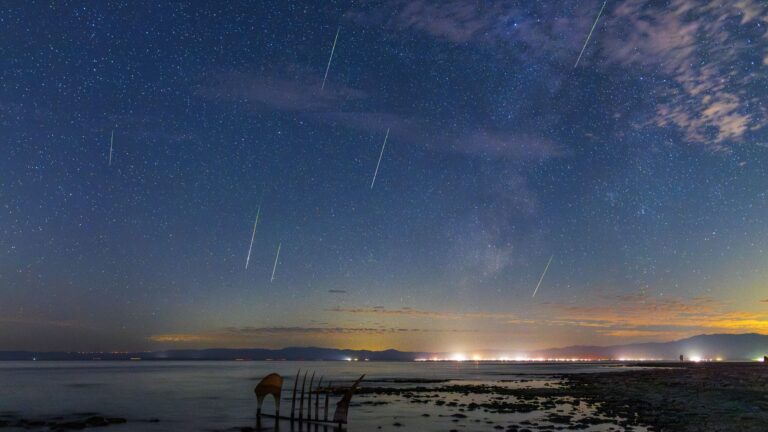
Orionid Meteor Shower Peaks October 21-22, 2026
The annual Orionid meteor shower reaches its peak during the pre-dawn hours of October 21-22, 2026.