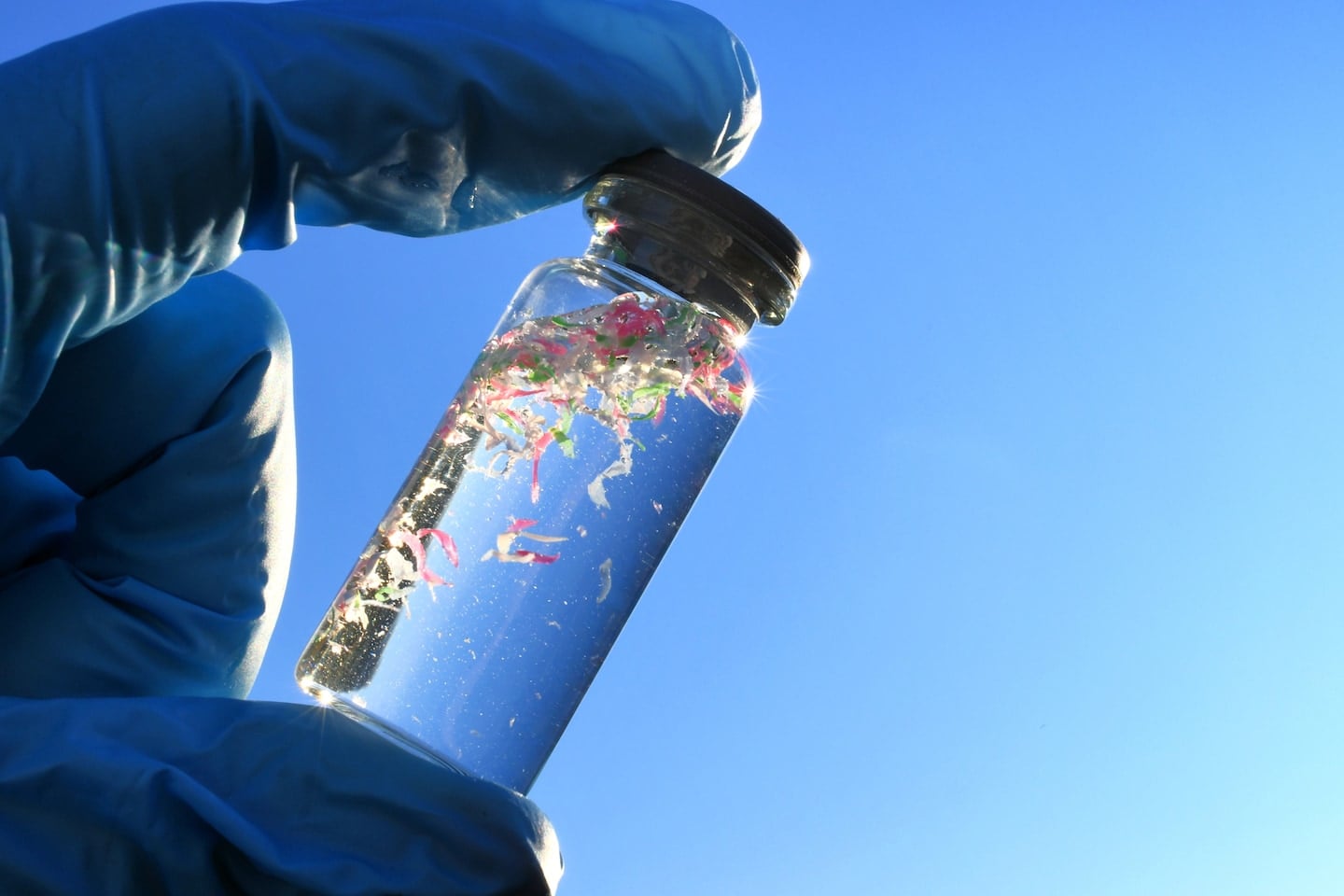
Common microplastics spontaneously generate DNA-damaging free radicals upon contact with water, according to a study published in the October 15, 2026 issue of Nature. Researchers at Columbia University and partner institutions found that plain water triggers harmful chemical reactions across plastic surfaces, challenging assumptions that synthetic materials are chemically inert inside biological systems.
For decades, manufacturers and consumers operated on the assumption that plastics possessed long, stable chemical chains that would not react with food, water, or the human body. That theory was upended by research led by Columbia University chemist Wei Min, postdoctoral researcher Naixin Qian, and their collaborators, showing that microscopic fragments do much more than sit passively in tissues. When water meets a plastic surface, it establishes an environment that facilitates electron transfer and the formation of reactive radicals.
Water and Plastics Create Hydroxyl Radicals
The physical mechanism driving the reaction lies in the microscopic boundary where water meets the hydrophobic surface of the plastic. Dissolved oxygen or hydrogen ions near the synthetic surface pick up electrons from the water’s hydroxide ions, transforming them into hydroxyl free radicals. These oxygen-hydrogen combinations rank among the most toxic molecular types known, possessing a cell-destroying prowess that has fueled the commercial antioxidant industry.
Contact between the water and plastic creates an environment that facilitates electron transfer and the formation of reactive radicals. When plastics fragment into smaller particles, their increasing surface-to-volume ratio creates more of these chemically active areas.
Wei Min
In laboratory experiments detailed in the study published in Nature, researchers tested six common commercial plastics in powdered form: polystyrene, polypropylene, polyethylene, polyvinyl chloride, PET, and acrylic. When powdered polystyrene was stirred into water tinted with methyl orange dye, nearly 90 percent of the dye bleached away over 10 days as the high-energy chemicals dismantled its molecular structure. Water-repellent polymers including polypropylene and polyethylene produced the highest concentrations of hydroxyl radicals.
Cellular Damage and Oxidative Stress in Biological Systems
The implications of this surface chemistry extend directly into human biology, where fluids are ubiquitous. Human blood consists of approximately 50 percent water, and individual cells contain up to 80 percent water.
When particles circulate through the bloodstream or lodge in organs, they encounter a water-rich environment capable of sustaining these reactions over time. Laboratory tests revealed that the unstable molecules generated by microplastics clumped proteins together and broke apart mouse red blood cells. Researchers point out that this activity can induce oxidative stress, a state where dangerous free radicals overpower the body’s natural defenses and trigger inflammation. Chronic inflammation contributes heavily to heart disease, cancer, and neurodegenerative conditions like Alzheimer’s.

Dr. David Christiani, professor of medicine at Harvard Medical School and the Elkan Blout professor of environmental genetics at the Harvard T.H. Chan School of Public Health, notes that microplastics have already been detected in blood and in the fatty plaque lining neck arteries, where small studies associate them with risks of heart attack, stroke, and death. Dr. Christiani explains that single-use products like water bottles, food packaging, and takeout containers account for roughly 40 percent of global plastic production and drive personal exposure.
Chemical Company Documents Reveal Early Findings
Recently discovered chemical company documents dating back several decades reveal that industry executives have long understood that synthetic particles migrate beyond the human gut. Archival papers show that early researchers observed ingested materials crossing intestinal walls and depositing in vital organs within minutes, though public health officials largely overlooked the findings for generations.
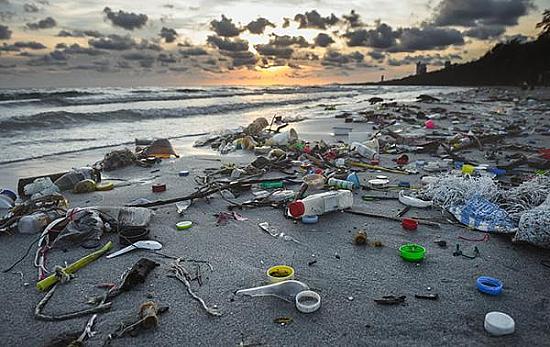
Today, annual global production exceeds 462 million metric tons, with single-use items representing 36 percent of that total and roughly 85 percent of those single-use plastics entering the waste stream. With an estimated 8 billion tons of plastic already polluting the Earth, exposure is essentially inescapable. Particles pervade every major ecosystem, from deep ocean trenches and Antarctic ice to the food we eat, the water we drink, and the air we breathe.
Engineering Solutions to Limit Personal Intake
Preventing these chemical interactions inside the human body remains impossible with current medical technology. However, researchers and public health experts recommend practical measures to minimize personal intake. Consumers can reduce daily contact by swapping single-use plastic bottles and containers for glass or stainless-steel alternatives, avoiding microwaving food in plasticware, transferring leftovers to ceramic dishes, and replacing plastic kitchen utensils and cutting boards with wood or metal versions.

On an industrial scale, the discovery points toward engineering solutions. Teresa Head-Gordon, heading her laboratory at the University of California, Berkeley, emphasizes that understanding the interface between water and synthetic surfaces could ultimately lead to new engineering solutions by redesigning commodity plastics to eliminate toxic health and environmental outcomes.
Keep reading

Posterior Reversible Encephalopathy Syndrome Linked to Severe Autoimmune Hyperthyroidism
Posterior reversible encephalopathy syndrome, a rare neurotoxic state marked by encephalopathy and vasogenic edema, can mimic acute ischemic...

Troponin Elevation in 20.4% of NSTE-ACS Patients
Out of 481 patients with non–ST-segment elevation acute coronary syndrome, 98 individuals—representing 20.4% of the cohort—met angiographic criteria...

Nitrous Oxide Abuse Linked to Rhabdomyolysis and AKI
A 22-year-old man developed severe rhabdomyolysis.
Ebola Outbreaks Linked to Distant Macroclimatic Shifts by Study
Distant macroclimatic oscillations modify continental rainfall and alter ecological conditions to create seasonal windows that trigger Ebola virus...