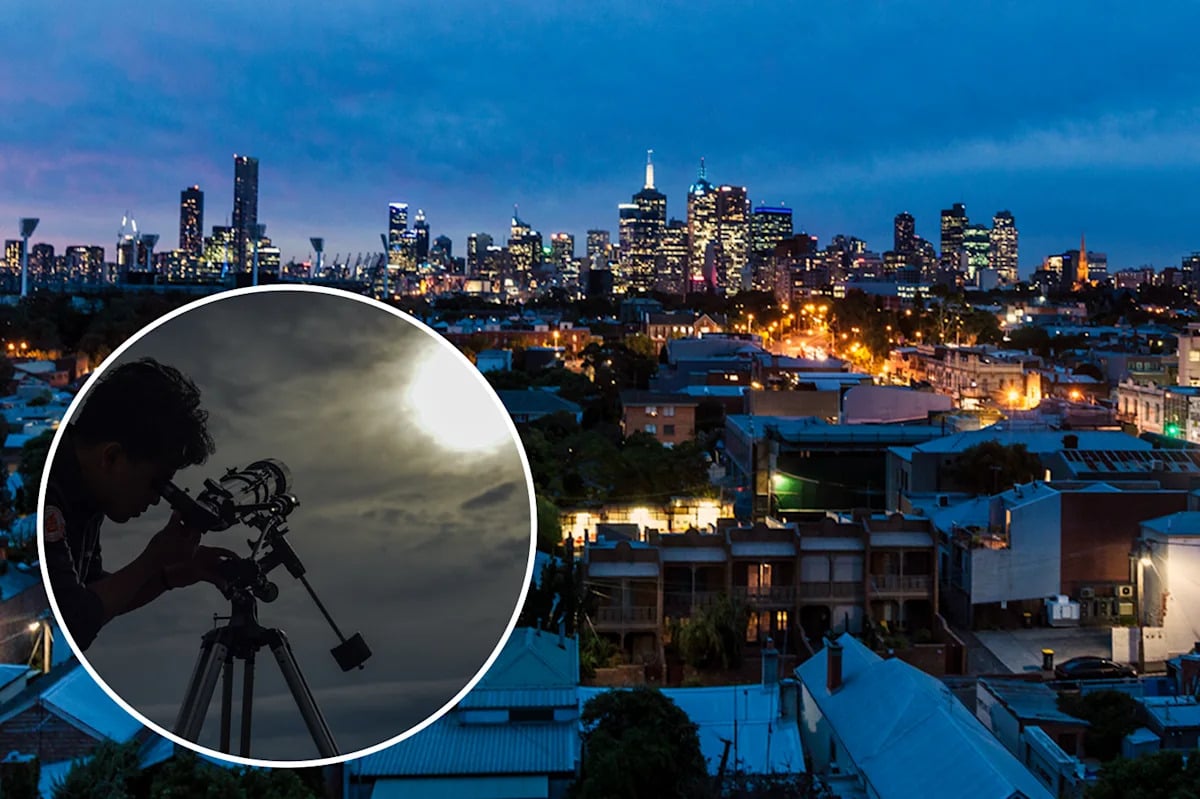
Saturn stands roughly 784 million miles from Earth as opposition positions the ringed giant at its closest annual distance to our planet on October 4. Stargazers across multiple continents find the planet visible from sunset until dawn with the naked eye and small telescopes.
The sixth planet from the sun stands directly opposite our star in the solar system, a geometric alignment known as opposition. This configuration places the Earth nearly midway between Saturn and the sun, positioning the distant world at its closest distance to our planet for the year at roughly 784 million miles away, as noted in astronomical tracking data.
Spot Saturn Without Equipment This Fall
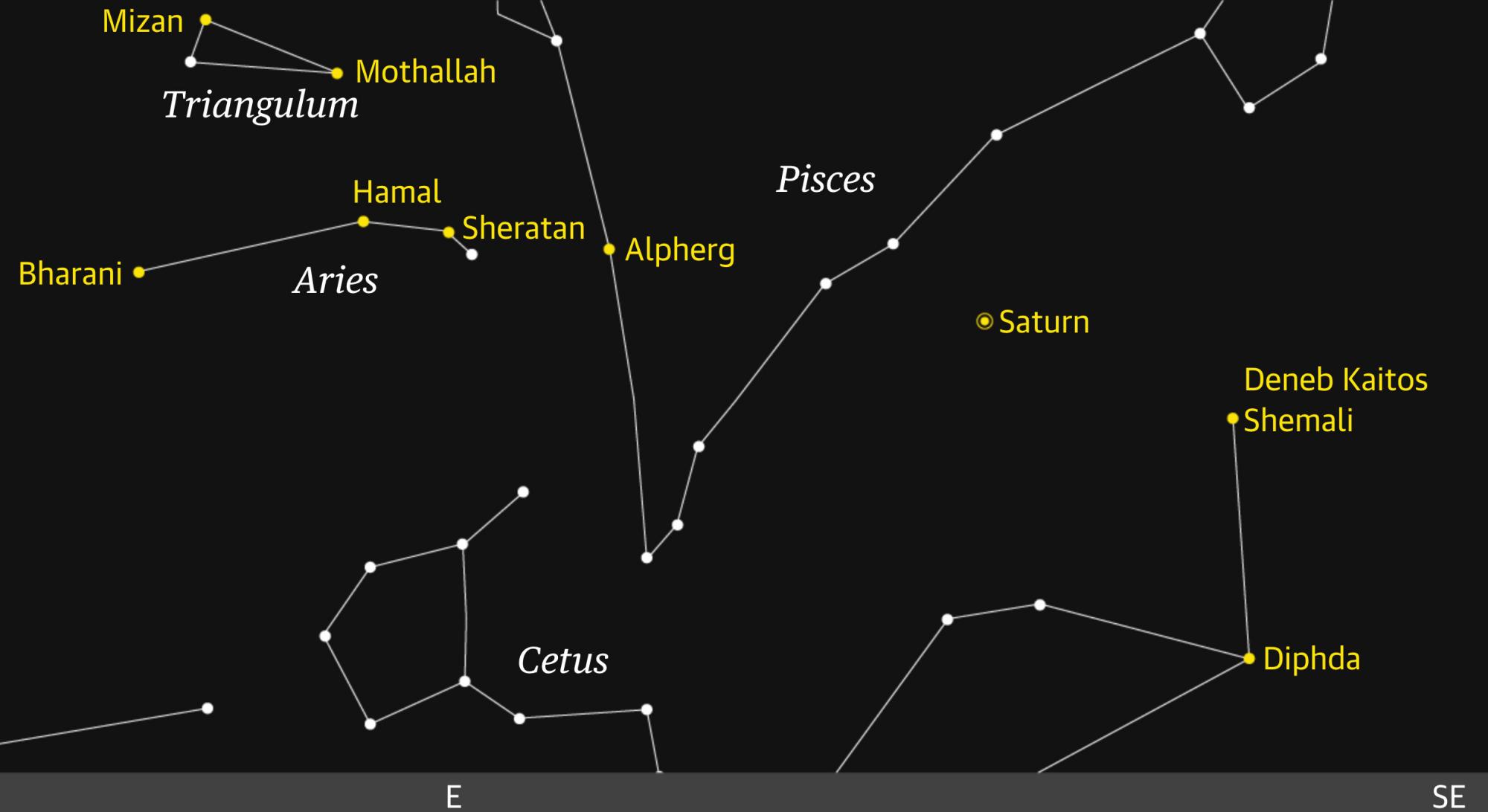
Finding the planet requires no expensive equipment. Observers stepping outside just after sunset can look toward the eastern sky to spot a moderately bright, creamy-white object shining at about magnitude +0.3. According to Jackie Faherty, an astrophysicist at the American Museum of Natural History, Fall is a great time of year for stargazing because the weather is good
and Saturn is definitely the star of the month,
as reported by Gothamist. Unlike the surrounding background stars, Saturn does not visibly twinkle, making its steady light an easy marker for backyard astronomers.
Visibility conditions are favorable across multiple continents and hemispheres. In Australia, Yahoo News Australia notes that astronomer Dr Tanya Hill advises that Sunday is optimal, but really anytime in the next few weeks will be ideal,
adding that Saturn looks like a reasonably bright star in the sky, and the main thing that makes it stand out is that it doesn't twinkle as stars do.
“Sunday is optimal, but really anytime in the next few weeks will be ideal.”
Dr Tanya Hill, Astronomer
Australian National University astrophysicist Dr Brad Tucker added that waiting a short while after dusk helps the planet clear ground interference.
“If you wait about an hour after it rises, an hour or so after sunset, it will get high enough in the eastern sky to enjoy and will be visible all night.”
Dr Brad Tucker, ANU Astrophysicist
For those still learning the constellations, Hill recommends digital tools such as Stellarium or Star Walk to trace the ecliptic path where planets line up in an arc across the sky, with Tucker noting that all the planets line up on it.
View Saturn Rings Through Telescopes
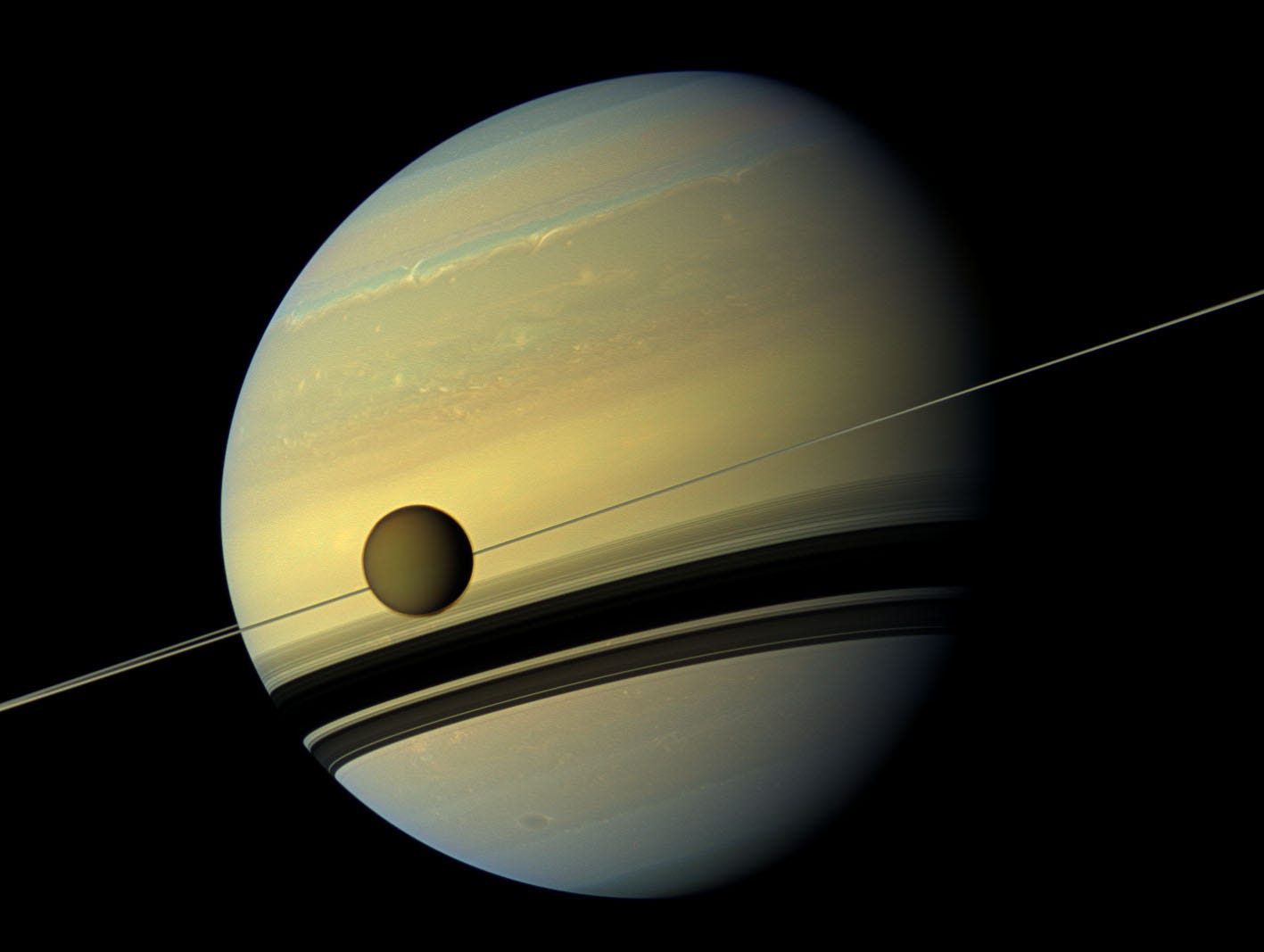
While the naked eye reveals only a luminous dot, a modest backyard telescope transforms the view. Even a small glass with 25x magnification picks out the planet’s iconic ring system, along with its largest moon, Titan, which appears as a faint speck close by. Observers can also catch sight of the Great Square of Pegasus acting as a celestial signpost overhead.
The appearance of the rings has altered after appearing nearly edge-to-edge from Earth in recent years.
“Right now, we are looking at it right on its side so the rings appear as a line across Saturn and going out away from the planet.”
Dr Brad Tucker, ANU Astrophysicist
While Tucker describes the rings as appearing right on their side as a line going out away from the planet, Bart Fried, a member of the American Astronomical Society, tells Gothamist that the rings are tilted about seven and a half degrees.
In urban areas facing heavy light pollution, such as New York City, local institutions are organizing public observation opportunities. Stargazers can take advantage of events like the Amateur Astronomers Association’s 30th annual Autumn Starfest on October 24 on Pat’s Lawn at Inwood Hill Park, where about 20 high-powered telescopes will point directly toward Saturn’s rings, star clusters, and the Andromeda Galaxy.
Track Saturn Visibility Through October 2026
The close approach marks the beginning of an extended viewing season rather than a single fleeting night. The planet remains observable nightly through October 2026.
- October 4, 2026: Saturn reaches opposition, sitting at its closest distance to Earth for the year.

Researchers Identify Candidate Second-Generation Planet Orbiting White Dwarf
Circling its parent dead star every 4.4 days, a Jupiter-sized gas giant orbits the white dwarf HS 0209+0832...

UK Proposes Norfolk Housing Levy to Unlock Stalled Homes
Environment Secretary Angela Eagle launched a public consultation on 17 September for a Norfolk pilot scheme requiring housing...

Wilkes Subglacial Basin Ice Could Raise Sea Levels by Four Meters
East Antarctica's Wilkes Subglacial Basin contains enough ice to raise global sea levels by up to four meters,...
Saturn Reaches Opposition on October 4 for Brightest Viewing of Year
Saturn reaches opposition on Sunday, October 4, 2026, sitting at its closest point to Earth for the year...