
University of Houston chemist Tai-Yen Chen has received a $2.16 million National Institutes of Health grant to study how copper imbalances in neurons contribute to neurodegenerative diseases. This five-year funding follows his lab’s recent discovery of a dynamic copper-regulating protein, offering a new quantitative approach to understanding Alzheimer’s and other incurable disorders.
Decoding Copper’s Role in Neurological Signaling
The traditional understanding of the nervous system is undergoing a quiet but significant revision. While biology textbooks have long focused on calcium, sodium, and potassium as the primary elements driving neuron-to-neuron communication, researchers are now elevating copper to that same essential status.
This discovery stems from the development of advanced fluorescent probes that allow chemists to track copper movement in real time. By observing how copper flows in and out of cells, researchers have identified that the brain can actively resume signaling by lowering copper levels, effectively releasing the cellular brake. This fundamental insight suggests that copper is not merely a bystander in biological processes but a central player in thought and perception.
Tai-Yen Chen’s $2.16 Million Grant and CTR1 Research
At the University of Houston, associate professor of chemistry Tai-Yen Chen is building on this momentum. His research, which has secured over $4 million in funding over the past decade, recently received a new $2.16 million grant from the National Institute of General Medical Sciences. This five-year renewal builds upon a 2019 grant of roughly $1.9 million that supported his initial investigation into cellular copper homeostasis.
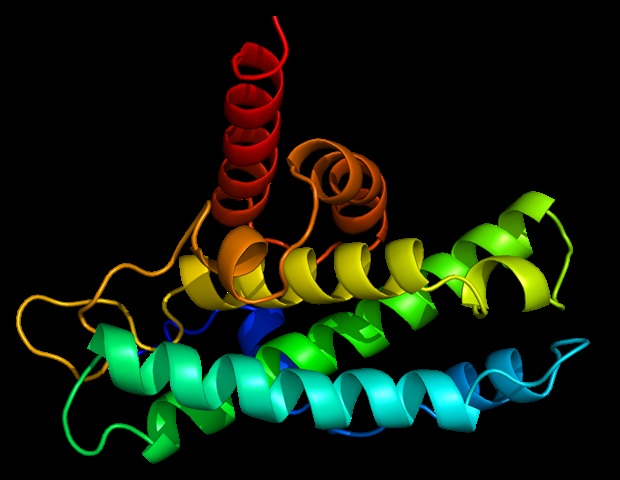
Chen’s work centers on the protein CTR1, which facilitates the transport of copper into cells. His team discovered that CTR1 is far more dynamic than previously assumed; when copper levels spike, the protein alters its structure to limit further uptake, acting as a natural regulator. By using high-resolution imaging to watch these protein complexes in living cells, Chen’s team can identify rare behaviors that traditional biochemical methods—which often average signals across millions of cells—frequently miss.
Amyloid-Beta Proteins and Therapeutic Potential
The stakes for this research are high, particularly concerning neurodegenerative diseases like Alzheimer’s, Parkinson’s, and ALS. A major challenge in this field has been the inability to observe the moment-to-moment interactions between metal ions and proteins. As Chen noted, Some neurological diseases have been pretty much unsolvable in the past because there were no effective approaches to ask these complex questions.
The research is particularly focused on how copper interacts with amyloid-beta proteins. Experts hypothesize that abnormal copper distribution leads to the protein aggregation that characterizes Alzheimer’s disease. Current laboratory methods now allow researchers to observe these interactions live, second by second. This capability shifts the research focus from simply asking if a treatment works to understanding the precise mechanism of action.
It shifts the question from ‘does something work?’
Tai-Yen Chen, University of Houston
Broadening Applications: From Obesity to Cancer
The influence of copper extends well beyond the brain. Because copper promotes angiogenesis—the growth of new blood vessels—it is also a target for oncologists. Research is currently underway to develop drug technologies that disrupt the recruitment of copper by cancer cells, essentially starving tumors of the energy they need to grow. This work involves collaborative efforts with UCSF’s Department of Pharmaceutical Chemistry to interfere with mitochondrial function.
Additionally, researchers at Berkeley are investigating the element’s role in metabolic health. Preliminary evidence suggests that copper levels may influence how the body burns fat, raising the possibility that targeting these pathways could eventually offer new strategies for treating obesity. These diverse applications highlight a shared hypothesis among researchers: that diet, genetics, and environment influence copper availability in ways that profoundly affect human health.
The Path Toward Clinical Translation
Restoring copper levels to the correct location in the correct amount is a delicate challenge, and many potential Alzheimer’s treatments have historically failed due to an incomplete understanding of protein aggregation.
For now, the field is focused on moving from fundamental discovery to quantitative insight. By shifting from averaging cell signals to observing individual protein behavior, researchers believe they have found a way to bridge the gap between basic chemistry and clinical medicine.
Find more reporting in our Health section.
Worth a look
PPARD Activated in Immune Cells Becomes Cancer-Fighting Tool
Researchers at Cold Spring Harbor Laboratory and the Massachusetts Institute of Technology have discovered that the lipid-sensing transcription...

Salk Institute Finds SRF3 Protein Restores Plant Iron Balance
Researchers at the Salk Institute discovered on October 14, 2026, that the plant protein SRF3 repairs cellular iron...

Vatican announces Pope Leo XIV has lung cancer after successful surgery
Pope Leo XIV underwent successful surgery at Rome’s Gemelli Hospital to remove a cancerous nodule from his right...

Max Planck Researchers Discover How Sequence Changes Prevent mRNA Errors
Researchers at the Max Planck Institute for Multidisciplinary Sciences discovered why ribosomes slip when reading modified mRNA and...