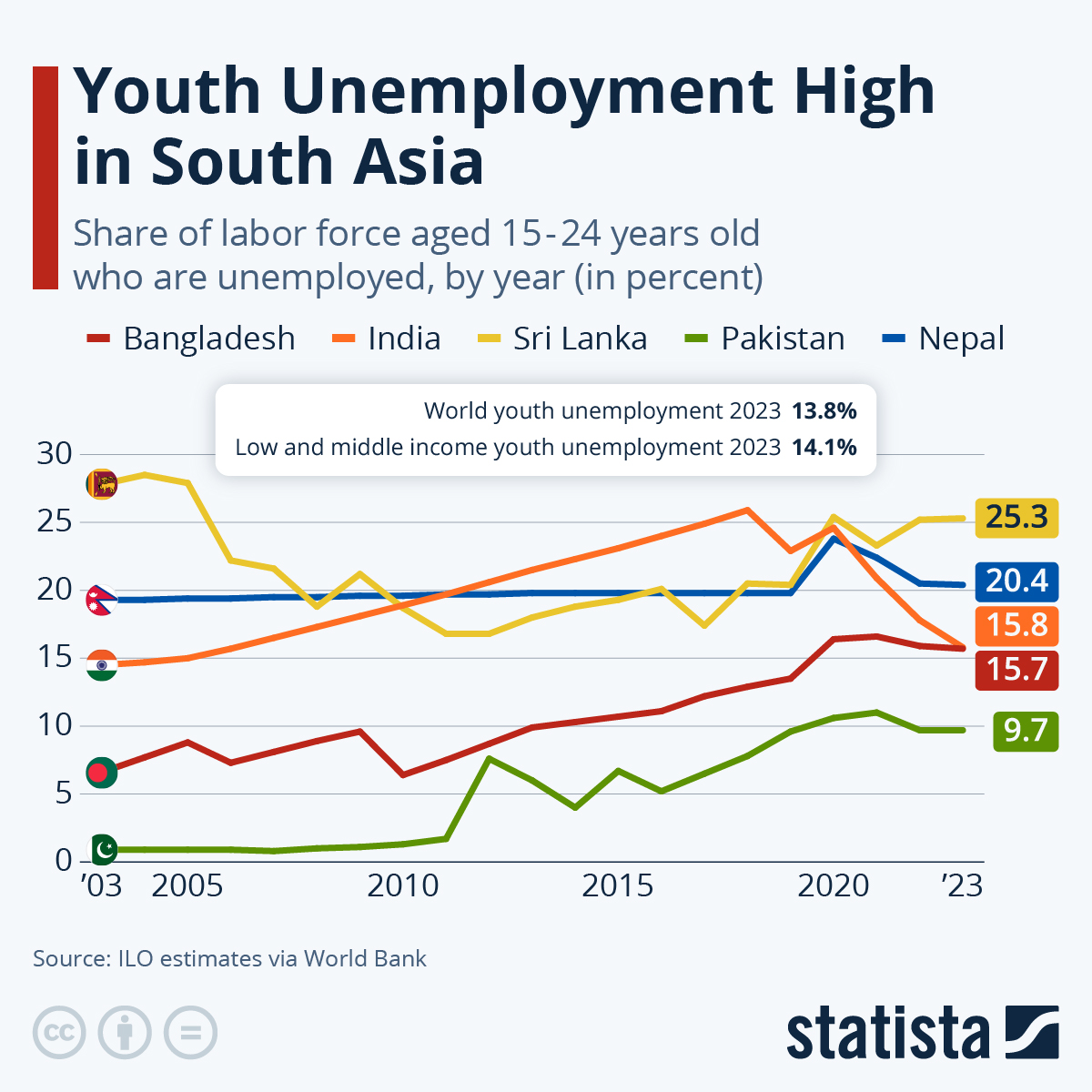
Rapid economic growth across Southeast Asia contrasts sharply with high youth unemployment and credential inflation. In 2025, GDP growth reached 5.1 per cent in Indonesia and 8.0 per cent in Vietnam, yet millions of young workers face underemployment, low-quality informal jobs, and a movement toward capital-intensive industries that demand fewer staff.
Degrees Outpace Jobs in Indonesia and the Philippines
Young people across the region increasingly pursue tertiary education under the traditional assumption that university degrees guarantee social mobility. However, the expanding supply of degrees has outpaced the creation of graduate-level jobs, leading to credential inflation. In the Philippines, unemployment among tertiary graduates stood at 3.4 per cent in 2023. That figure exceeded both the national unemployment rate of 2.4 per cent and the 1.9 per cent rate recorded among Filipinos who held only a primary or lower secondary education.
A similar disconnect persists in Indonesia, where youth unemployment remained at 13.1 per cent in 2023. Meanwhile, Vietnam experienced a 2.8 percentage point increase in youth unemployment between 2010 and 2025, even as its GDP per capita more than doubled during the same period.

Manufacturing Decline Reduces Formal Employment in Indonesia
Some academics point to a decline in manufacturing as a primary driver behind the loss of formal employment opportunities. In Indonesia, manufacturing value added as a percentage of gross domestic product dropped from 32.0 per cent in 2002 to 19.1 per cent in 2025. Government initiatives aimed at boosting domestic industry have also failed to produce a proportional expansion in jobs. Under Indonesia’s 2020 nickel downstreaming strategy, raw ore exports were banned to encourage domestic smelting. Although output increased, total employment fell, and the labour multiplier dropped from approximately 6,514 jobs per Rp 1 trillion (US$56.1 million) of final demand in 2010 to 3,366 jobs in 2016.
New investments across the region increasingly flow into capital- and technology-intensive sectors that require fewer workers. At the same time, employers report matching difficulties. A 2018 survey of 150 Indonesian employers found that 77 per cent struggled to find candidates with desired qualifications. The International Labour Organization warned in 2016 that nearly three in five jobs in ASEAN face a high risk of automation, with that risk reaching up to 70 per cent in Vietnam. Vietnam also encountered a severe shortage of skilled engineers when attempting to expand its semiconductor investments.
Governments Launch Programs as Workers Seek Abroad Options
Because official unemployment statistics may understate broader economic distress, workers frequently face a lack of basic social protections and limited opportunities for career advancement. In Vietnam, informal employment accounts for 68.5 per cent of the total workforce. Faced with these conditions, 81 per cent of Filipino youth and 79 per cent of Thai youth under the age of 30 expressed a willingness to work abroad.
Governments have introduced various interventions to address these labour market challenges. Since 2017, the Philippine government has received over US$1 billion in policy loans from the Asian Development Bank to fund youth employment programs that match participants with internships, work, and career guidance. Indonesia introduced its National Internship Program in October 2025. An official evaluation conducted in April 2026 revealed regional disparities and misaligned job roles within the Indonesian initiative, pointing to the ongoing difficulty of converting economic growth into meaningful development outcomes.
Worth a look

Nike Reports Q1 Revenue Drop and Announces Major Restructuring Plan
Nike posted a mixed fiscal first-quarter earnings report showing revenue falling 4% to $11.21 billion and announced a...

Hyundai and Mahindra Post Strong September Sales Ahead of Festive Season
Indian automakers posted higher sales in September 2026, driven by aggressive dealer stocking ahead of the festive season...
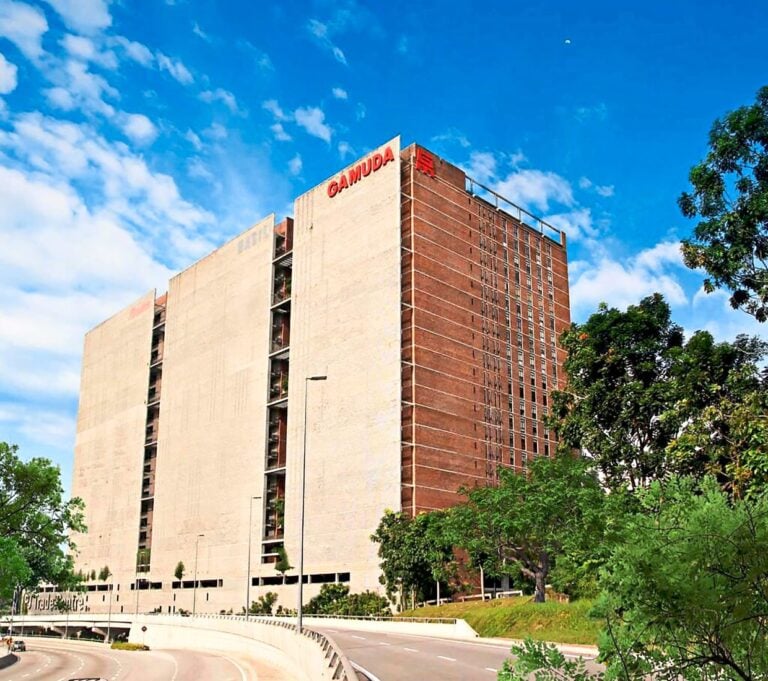
Gamuda Posts Record RM1.05B Profit on RM61B Order Book
Gamuda Bhd posted a fifth consecutive year of record earnings for the financial year ended July 31, 2026,...

Aliko Dangote And William Ruto Set To Break Ground On Lamu Oil Refinery
Nigerian billionaire Aliko Dangote and Kenyan President William Ruto are set to break ground on a $16 billion...