
Expanding Irish Oilseed Rape Acreage Sets Up High-Stakes Autumn Disease Management
The acreage of winter oilseed rape planted across Ireland has grown significantly this season, driven by early sowing windows, available soil mineral nitrogen, and strong responses to organic manures, according to data published by Agriland based on Teagasc figures.
Scouting Early-Sown Canopies for Light Leaf Spot
While the resulting large canopies indicate robust early establishment, state agricultural advisors are reminding growers to actively monitor fields for light leaf spot and phoma stem canker throughout the autumn months. Light leaf spot remains the most damaging disease affecting winter oilseed rape in Ireland, with susceptible varieties risking yield losses of up to one metric ton per hectare.
Although resistance profiles in recommended list varieties have improved—with ratings reaching 6 for Ambassador, 7 for Aurelia, and 8 for LG Aviron, LG Auckland, and the provisionally recommended LG Armada—good varietal resistance does not eliminate the need for ongoing crop scouting. Symptoms of light leaf spot are notoriously difficult to spot early in the season. Growers are advised to look closely for small white spots resembling grains of salt around affected leaf areas.
When field identification proves challenging, placing sampled leaves inside a plastic bag in a warm room for one to two days can encourage sporulation. Early-sown crops carrying heavy canopies warrant particular attention because mild, wet weather accelerates disease development, allowing rain splash to spread infections rapidly within the crop canopy. While cold weather temporarily slows pathogen development, diseases can multiply swiftly once favorable conditions return.
Targeting Two-Spray Programs and Fungicide Strategies
Managing the risk effectively typically involves a two-spray program targeting late October or November followed by an early spring application. The autumn treatment aims to suppress initial infection and cut down overall disease cycles. A prothioconazole-based fungicide applied at 75-100% of the recommended label rate, adjusted for local disease pressure, provides solid control while simultaneously suppressing phoma. Tebuconazole offers more limited activity against light leaf spot, and its plant growth regulatory impact drops significantly as temperatures fall and plant growth slows down.
Managing Excessive Growth and Phoma Stem Canker Thresholds
For fields with excessively large canopies resulting from early sowing or organic manure applications, an application of Caryx at 0.7 liters per hectare can assist with canopy management, though peak results from the product are achieved when applied in the spring as active growth resumes. Growers must continue inspecting crops through the winter months to gauge whether a follow-up treatment is required in February as soon as light leaf spot symptoms appear.
Meanwhile, phoma stem canker—characterized by greyish leaf spots marked with tiny black pycnidia—demands attention when infections travel from the leaf stalk into the main stem, forming cankers that restrict water and nutrient transport and induce premature ripening. Producers should apply a treatment threshold when 10-20% of plants show infection, keeping toward the lower end for smaller crops while larger canopies justify a higher threshold. Where phoma hits the treatment threshold ahead of scheduled light leaf spot sprays, growers should bring treatment forward accordingly.
Worth a look
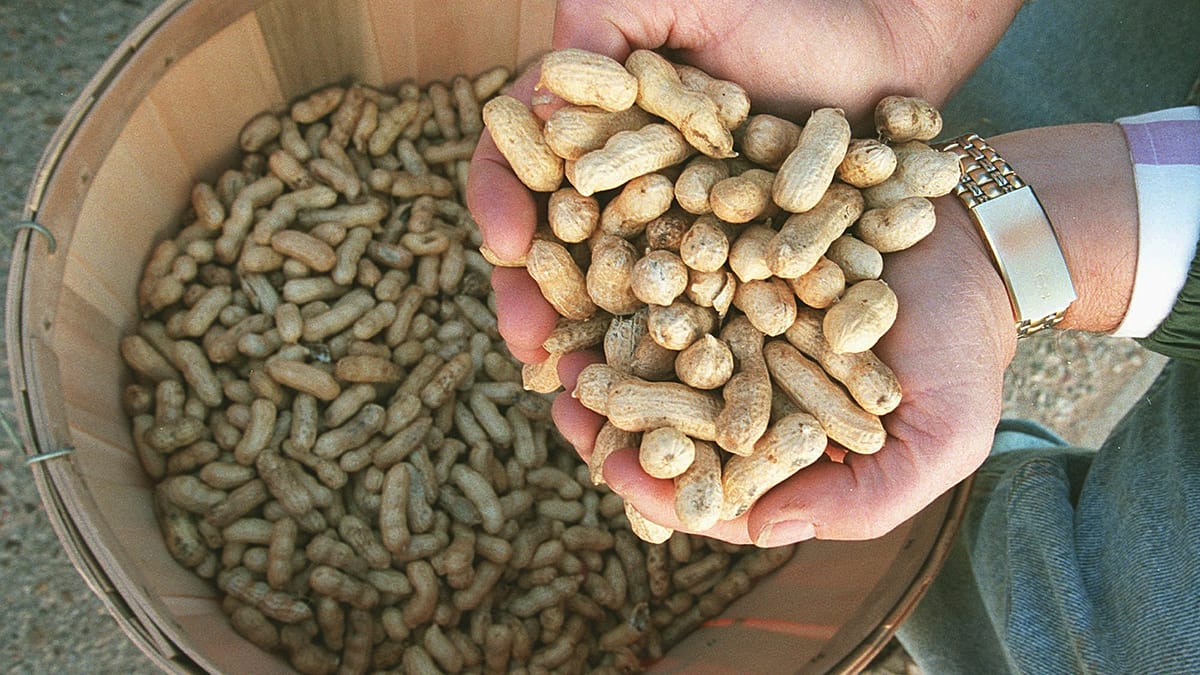
Daily Peanut Consumption May Improve Brain Insulin Response in Seniors
According to a recent study published in the journal Food & Function, investigators at the Maastricht University medical...

Philippine Army 6th Infantry Division Boosts Assets for Battalions
“The additional equipment included 19 K3 machine guns and M60 machine guns distributed to the 57th, 6th, 40th...

Sitharaman Hits Back at Rahul Gandhi Over IDBI Bank Privatization Row
Finance Minister Nirmala Sitharaman on Friday hit back at Leader of the Opposition Rahul Gandhi over the proposed...

Spike in demand to nurse advice line leads to AI launch – Nursing Times
In response to a 1,141% rise in inquiries to its nurse-led advice line, the Eve Appeal has launched...