Almost half of people in Ireland discarded a low-cost fast-tech item within a month or after a single use over the 12 months leading up to July 2026, according to consumer data released ahead of International E-waste Day.
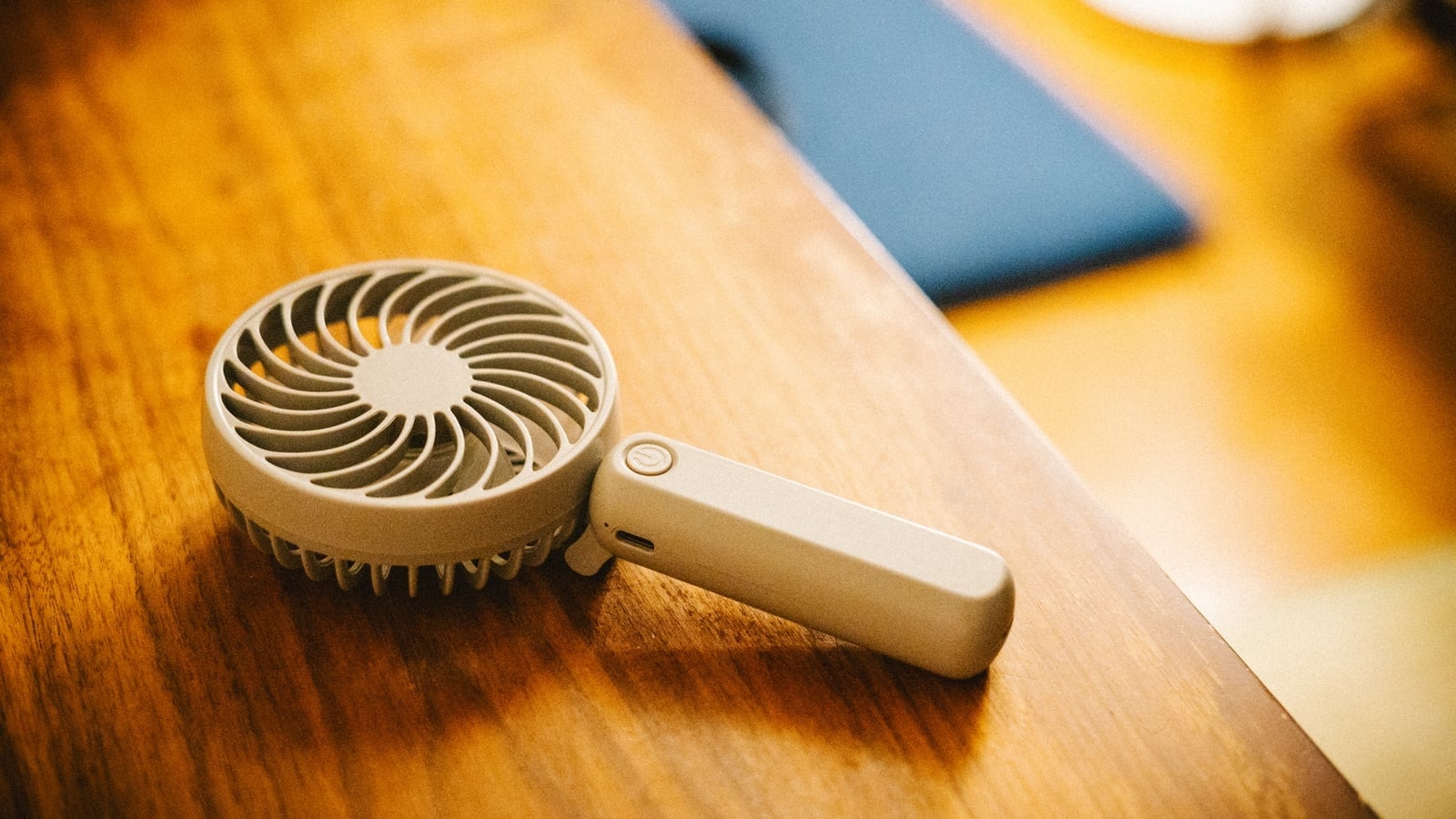
Irish consumers are driving a surge in low-cost, short-lived electronics known as fast tech, pushing a growing volume of electrical waste into bins and back rooms. Nearly nine in 10 residents purchased items such as mini fans, festive decorations, power banks, wireless speakers, and chargers over a 12-month period, figures show. That purchase rate sits above the 78 per cent average recorded across 12 European countries surveyed in July.
Elizabeth O’Reilly, director of Environmental Compliance and Circular Economy at Waste Electrical and Electronic Equipment (WEEE) Ireland, pointed to the disposable nature of these goods.

Because they are usually inexpensive, bought on impulse and easy to replace, fast-tech products can be treated as if they are disposable.
Elizabeth O’Reilly, director of Environmental Compliance and Circular Economy at Waste Electrical and Electronic Equipment (WEEE) Ireland
Irish Consumers Discard Millions of Gadgets
WEEE Ireland documented separate purchase figures showing that fast-tech acquisitions reached 91 million items during the previous year. Yet, when surveyed about unused devices, fewer than half of respondents brought at least one item to a recycling centre or in-store recycling point.
More than one in three consumers threw at least one fast-tech item straight into a bin, while over one in four hoarded unused devices at home.

One product improperly discarded may seem insignificant, but when that behaviour is repeated across millions of purchases, these gadgets can become a growing waste problem.
Elizabeth O’Reilly, Waste Electrical and Electronic Equipment (WEEE) Ireland
Irish Consumers Want More Durable Small Electronics
The European online survey gathered responses from 776 participants in Ireland to examine why users stopped using these small electronics. Breakage or a defect accounted for 52 per cent of the reasons cited for abandoning the products. At the same time, 83 per cent of those respondents stated they would pay more for similar items if they offered greater durability.
People may not even realise that even small novelty products can contain electronic components and materials that should be recovered. We’re urging people to treat these items as they would any other electrical product. If it can be repaired or reused, that can extend its life.
Elizabeth O’Reilly, Waste Electrical and Electronic Equipment (WEEE) Ireland
Lithium Batteries Threaten Waste Facilities
Many fast-tech goods feature integrated lithium batteries that face damage during processing if tossed into ordinary household rubbish.
Many of these products also contain lithium batteries that, if discarded in household bins, can be damaged during waste processing, leading to fires in bin trucks or at recycling centres.
Elizabeth O’Reilly, Waste Electrical and Electronic Equipment (WEEE) Ireland
The findings form part of consumer research coordinated by the international WEEE Forum for International E-waste Day, observed on October 14 across 12 participating nations including Ireland. WEEE Ireland continues to promote free take-back programs at participating retailers and civic amenity sites to recover materials.

Brodie Kostecki Wins Bathurst 1000 After Anton De Pasquale Runs Out of Fuel
Brodie Kostecki and co-driver Todd Hazelwood claimed a dramatic victory at the 2026 Repco Bathurst 1000 on Sunday...

Pakistan Imposes Emergency and Governor’s Rule in Khyber Pakhtunkhwa
Pakistan declared a state of emergency in Khyber Pakhtunkhwa on Sunday, October 11, 2026, suspending the provincial government...

Abiy Ahmed Sworn In as Prime Minister With Focus on Red Sea Access
Prime Minister Abiy Ahmed was sworn into a new five-year term on Monday, October 5, 2026, following his...
Pope Leo XIV Rejects Death Penalty as Attack on Human Dignity
Pope Leo XIV has rejected the death penalty as an attack on human dignity, posting on X that...