
For the residents of Elk Hills, the calendar is no longer just a way to track the passage of time; it is a source of profound anxiety.
When October 19 arrived and passed without a definitive federal decision on the future of Temporary Protected Status (TPS) for Ukrainians, the silence from Washington replaced a looming deadline with a state of indefinite limbo.
As Nebraska Public Media reported, the federal government bypassed a concrete resolution, instead posting a brief, 31-word alert on the U.S. Citizenship and Immigration Services website stating that an announcement regarding Ukraine’s status would be made at the “appropriate time.”
This ambiguity carries heavy stakes for those who have built new, fragile lives in the American Midwest. For many, TPS is the thin line between stability and the threat of deportation.
It provides the legal authorization to work, pay rent, and contribute to the local economy. Without a clear extension, that authorization remains technically active but psychologically precarious, leaving families to wonder if they can safely plant roots in their new community.
The human cost of this uncertainty is measured in stalled life decisions. As outgoing U.S. Representative Don Bacon noted while addressing a gathering of advocates in Omaha on October 9, the lack of a long-term path creates a paralysis that touches every facet of daily existence. “Do I buy a car?
Do I buy a house? Do I put a down payment on a house? Do I have another child? All these questions are hard if you don’t have certainty,” Bacon said, advocating for a transition toward permanent residency through green cards rather than temporary, recurring extensions.
For many, the transition to Nebraska was a harrowing journey of survival. Varvara, 70, and her husband, Oleksandr, 72, left their home after the war began, traveling through Poland, Germany, and Mexico City before eventually arriving in Omaha.
Their story is one of displacement and resilience, marked by the kindness of strangers and the persistent, quiet hope for safety. They eventually found their way to the Elk Hills apartment complex, where they now share pirozhki—a traditional pastry that serves as a small, savory reminder of the home they left behind—with fellow countrymen.
Nebraska has attempted to soften the edges of this transition through state-level policy. In 2023, the Nebraska Legislature passed a law granting driver’s licenses to Ukrainians, a move designed to address the practical barriers of life in a state where personal transportation is often a necessity.
Despite such efforts, the broader reality remains tethered to federal policy, which has shifted significantly under the current administration. Since his re-election, President Donald Trump has moved to cancel TPS for 13 countries, affecting approximately 1 million people. This climate of retrenchment casts a long shadow over the Ukrainian community, regardless of the historical Republican support for their cause.
The economic argument for stability is also clear to local advocates. “We see these residents who want to work, who want to pay taxes, who want to contribute to our economy, have this taken away from them,” an advocate explained, highlighting the frustration of a population eager to integrate but hindered by bureaucratic hesitation.
When people cannot work, they cannot support their families or participate in the local consumer economy, turning a potential asset into a source of strain.

While some argue that immigration status must be strictly enforced to maintain national policy integrity, the reality on the ground in Elk Hills illustrates a different perspective: that of families who are already here, working to build a future, and seeking only the consistency needed to do so.
The administration’s choice to delay its decision keeps the status quo for now, but it does little to alleviate the underlying fear that the ground could shift at any moment.
As the residents of Elk Hills continue their evening walks around the complex, surrounded by handmade quilted pillows and family photographs, the silence from the federal government remains the loudest thing in their lives. They remain in a state of suspended animation, waiting for a word from Washington that will determine whether their temporary shelter can eventually become a permanent home.

Tennessee Volunteers Win 34-6 Over Kentucky as Analysts Project CFP Rise
The Tennessee Volunteers are positioned to rise in the College Football Playoff rankings after a 34-6 victory over...
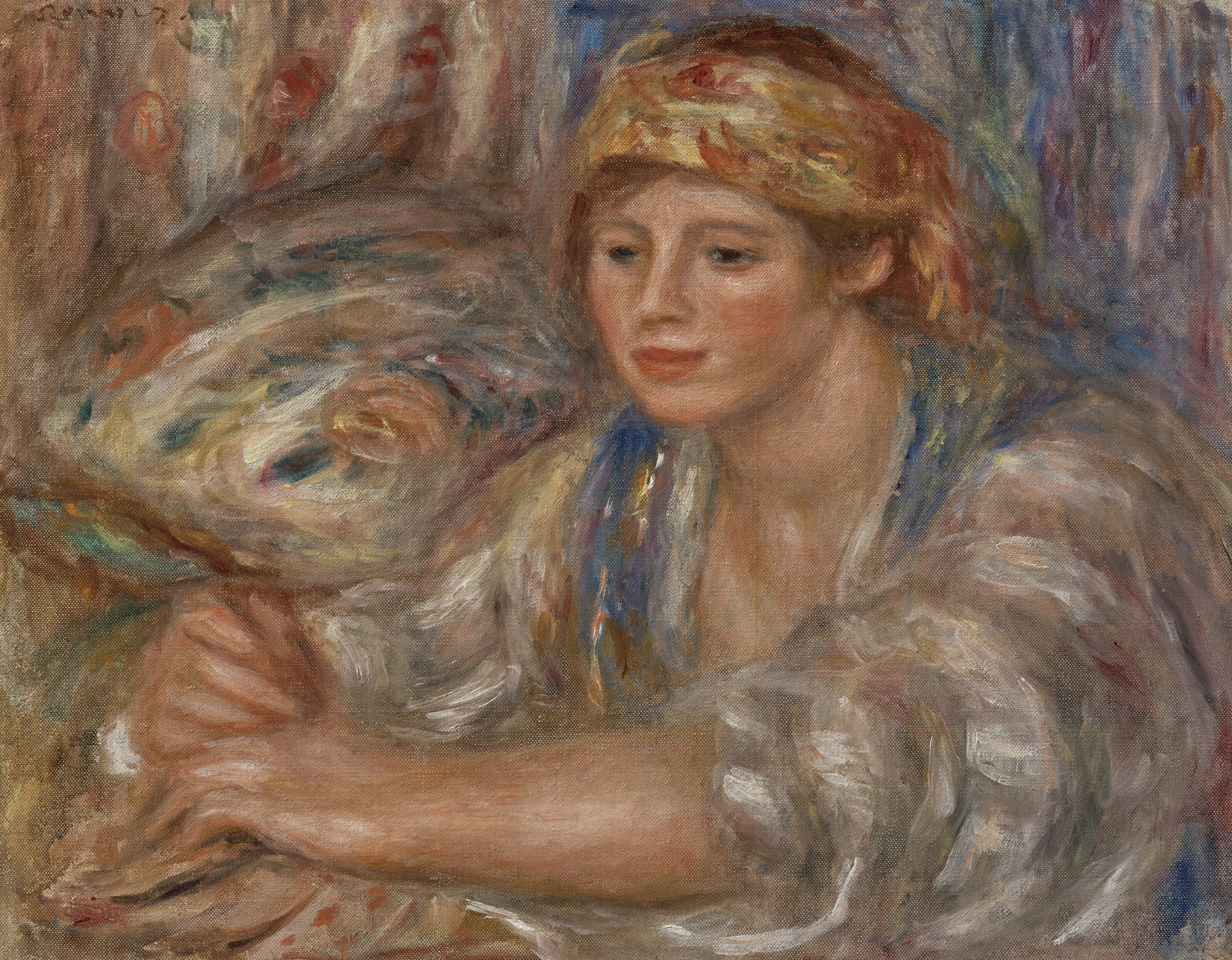
Painted around 1917, Pierre-Auguste Renoir’s Femme jouant aux cartes captures a moment of quiet
Painted around 1917, Pierre-Auguste Renoir’s Femme jouant aux cartes captures a moment of quiet intensity, featuring a young...

Providence Voters Narrowly Favor Tax Levy for Cache County Library
The future of the Cache County Library, a quiet fixture on a residential street in Providence, now hinges...

New Salem Children’s Center Hosts Inaugural Turkey Trot 5K Fundraiser
The New Salem Children’s Center in Petersburg, Illinois, is turning the pre-Thanksgiving season into a community fitness event....