
The future of the Cache County Library, a quiet fixture on a residential street in Providence, now hinges on a razor-thin margin of just 300 votes.
After a year of budget uncertainty and shifting political tides, residents recently cast their ballots on a nonbinding question that could determine if the city steps in to save the facility from closure.
According to reporting from The Salt Lake Tribune and Utah Public Radio, 54.3% of voters favored a new property tax levy to fund the library, while 45.7% opposed it. The proposed tax would cost the owner of a primary residence valued at $500,000 approximately $55.30 per year.
This standoff began in late 2025, when Cache County Executive George Daines recommended the County Council defund the library to address a budget shortfall.
Daines argued that it was fundamentally unfair for taxpayers in certain communities to fund both their local municipal libraries and the county-wide system, suggesting that those outside the county’s immediate service area should rely on nonresident fees instead. While the council initially authorized only six months of funding for 2026, they eventually extended that support through the end of the year.
The Local Stakes of a County Withdrawal
For those who rely on the library, the potential closure represents more than just the loss of a public space. Brynnan Sainsbury, the director of the Cache County Library, described the past year as a period of intense frustration, noting that constant changes in status have made it difficult to answer patron questions.
She remains caught between two realities: the possibility of a smaller, more focused community hub in Providence, or the complete loss of access for residents in surrounding areas.

It feels like sometimes I know what’s going on, and then it changes suddenly. It’s just been hard to then have people come in and ask me questions, and I don’t have answers.
Sainsbury pointed out that a transition to city management might actually open doors for new programs, such as a “library of things” that would allow patrons to check out items beyond books. However, she also expressed concern for those living in parts of the county that lack their own libraries, noting that she believes “everyone deserves free library access.”
Providence Weighs the Financial Burden
The city of Providence finds itself in a unique position because it already owns the building housing the library. City spokesperson Megan McCuistion noted that this ownership made the prospect of a takeover a logical step for officials. While neighboring towns like River Heights and Millville have expressed interest in potentially partnering to keep the doors open, no formal funding agreements have been reached.
Mayor Blake Wright of River Heights confirmed that his city intends to support the facility if Providence moves forward, though the specific financial commitments remain undefined. The Providence City Council is expected to take up the matter during their next meeting on November 18.
Not everyone agrees that a local tax is the right solution, as evidenced by the 45.7% of voters who rejected the levy. The debate highlights a broader tension between centralized county services and the increasing demand for localized municipal control.
While an earlier city survey indicated that over 80% of residents felt having a library in Providence was important, the actual ballot result shows a community split on the price of that priority.
For patrons like Brittney Morris, who lives in nearby Paradise, the issue is about more than just checking out books. As she shared in an email to reporters, the potential loss of the library carries a “quiet implication that the people who will be most affected aren’t being seen by their city leaders.”
As the November 18 meeting approaches, the council must act within the narrow mandate provided by the voters. Whether a partnership can be struck between the small towns to share the costs remains the central question for the library’s survival.
Related reading

Wyoming LIEAP Manager Says Heating Costs Are Rising for Families
Heating Bills Surge as Wyoming Families Face Cold Weather Costs As winter temperatures settle across the state, many...

Madison Common Council to Meet on 2027 City Budget on Nov 10
As the city prepares to finalize its financial roadmap for the coming year, Madison residents are looking toward...
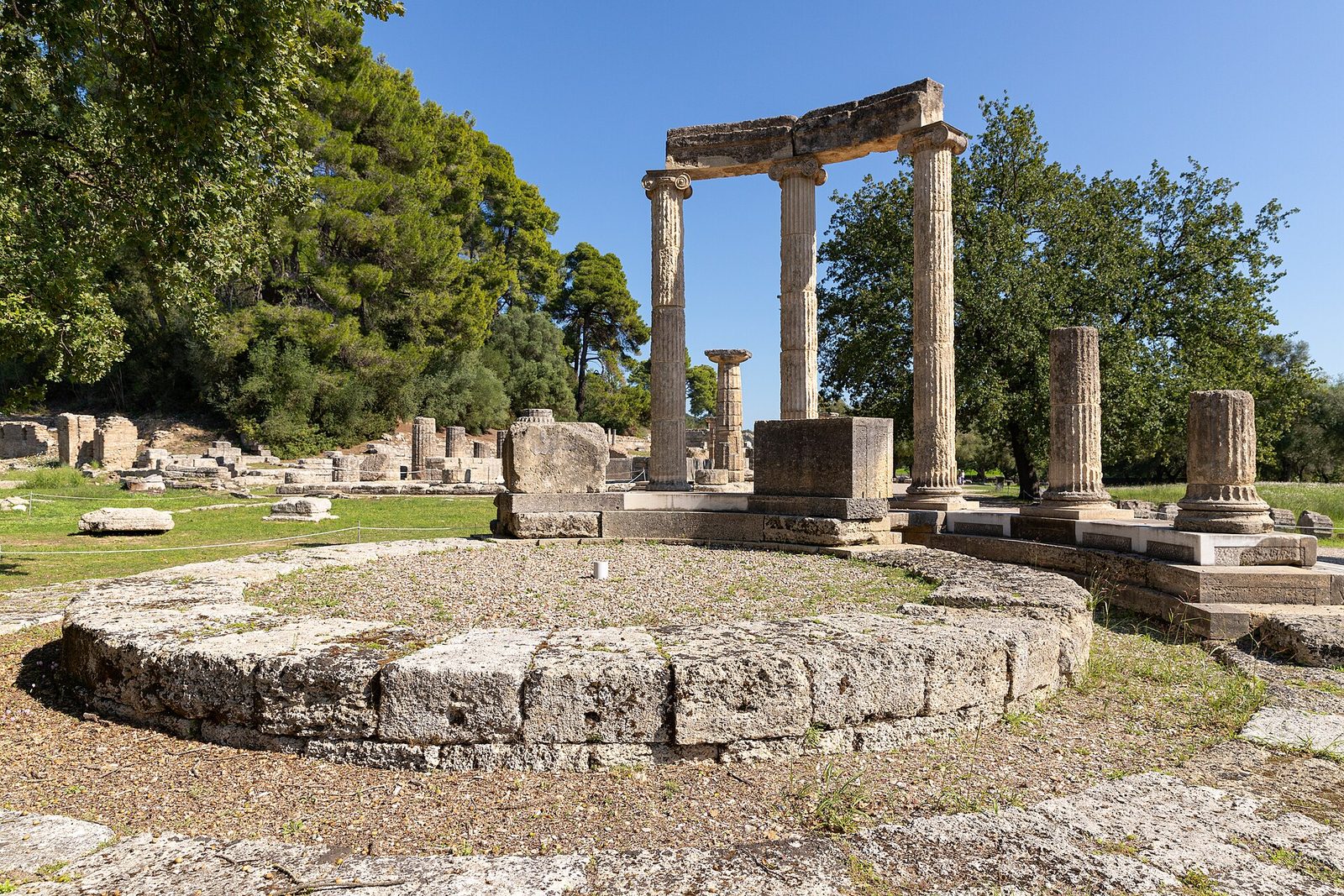
Ancient Olympia Hosted the Panhellenic Olympic Games
Archaia Olympia, a small town nestled in the Elis region of the Peloponnese peninsula, stands today as the...

Woodberry Forest and St. Michael Game Ends After Sideline Chaos
A routine high school football game in Virginia descended into chaos Friday night, ending abruptly with 84 seconds...