
Deaths and disappearances on the central Mediterranean route remained above 1,000 in the first nine months of 2026 even as arrivals in Italy and Malta plummeted by more than half, pushing the mortality rate to its highest level in years.
The UN refugee agency on Monday launched its Global Initiative on Protection at Sea 2.0 from Geneva and Dakar, warning that recorded deaths and disappearances on maritime routes to Europe rose nearly 20 percent to 2,500 between January and September compared with the same period in 2025, InfoMigrants reported.
Along the Eastern Mediterranean Route, reported deaths and disappearances increased by around 80 percent between January and October 2026 compared to 2025, while more than 10,800 people arrived in the Canary Islands in the first 15 days of November 2026, more than quadrupling the total recorded in November last year.
The central Mediterranean grows deadlier per crossing
More than 1,000 people died or went missing on the central Mediterranean route from North Africa to Italy and Malta between January and September, a toll broadly unchanged from 2025 despite arrivals dropping from roughly 60,000 to 27,000, gsmglobalnews.com reported. The ratio of reported losses to recorded arrivals has more than doubled. Many of the deaths were concentrated in a few weeks of storms early in the year, InfoMigrants noted.
“Protection cannot begin only when a boat is in distress, nor can it end when people reach shore,” said Elizabeth Tan, UNHCR Director of International Protection and Solutions, in a statement released with the initiative. “It must be available as early as possible along the route.”

Eastern Mediterranean and Atlantic corridors shift
The eastern Mediterranean route toward the southern Greek islands of Crete and Gavdos recorded an 80 percent increase in deaths and disappearances between January and October compared with 2025, reflecting what UNHCR described as a shift from the central Mediterranean toward eastern Libya, gsmglobalnews.com reported.
On the western African Atlantic route, interceptions have risen, but the death toll remains opaque. UNHCR documented close to 600 dead or missing in 2026 to date, roughly half of 2025’s total of more than 1,200, though the Spanish NGO Caminando Fronteras estimates more than 1,300 fatalities in the first five months of 2026 alone, InfoMigrants reported.
More than 10,800 people reached the Canary Islands in the first 15 days of November, the highest monthly level since October 2023, gsmglobalnews.com reported. The journey typically takes more than a week on overcrowded, unseaworthy vessels, making it “widely described as the most dangerous migrant route in the world,” InfoMigrants said.
Beyond Europe: Yemen and the Bay of Bengal
The initiative also addresses corridors far from Europe. The eastern route to Yemen recorded 922 deaths and disappearances in 2025, with a single shipwreck claiming at least 139 lives in October 2026, devdiscourse.com reported. In the Bay of Bengal and Andaman Sea, nearly 900 Rohingya refugees died or disappeared in 2025, the deadliest year on record, and a further 822 losses were recorded by October 2026.
Four priorities, one framework
Building on a 2014 initiative, Protection at Sea 2.0 focuses on four pillars: reinforcing search-and-rescue capacity and predictable, safe disembarkation; improving data and risk analysis; ensuring earlier access to protection and expanding safe alternatives; and promoting solidarity among states, gsmglobalnews.com reported. The framework, developed with IOM, the UN Human Rights Office, UNICEF and other partners, calls for coordinated action across entire routes — from departure points through transit countries to destinations.
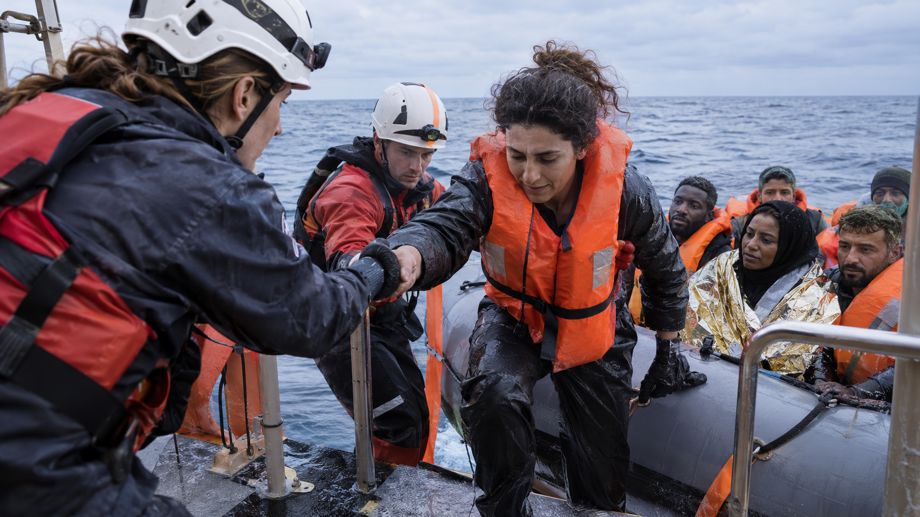
“Every life lost on a dangerous sea journey is a stark reminder of the urgent need for stronger, more predictable and better coordinated action,” Tan said.
The land route shadow
UNHCR warned that perils extend well beyond the water. Widespread exposure to human trafficking, kidnapping, extortion and exploitation precedes embarkation, while mass graves in countries such as Libya testify to the lethality of land routes, InfoMigrants reported. Devdiscourse.com added that drastically reduced humanitarian funding, restrictive borders and the criminalization of private rescue vessels compound the risks and push people toward more dangerous corridors.
The agency stressed that saving lives at sea and guaranteeing safe disembarkation are legal obligations and humanitarian imperatives for all coastal states, kenya-today.com reported.
Related reading

Ford Unveils 2028 Mustang GTD 1901 Edition Honoring 1901 Sweepstakes Victory
Ford unveiled the 2028 Mustang GTD 1901 on Monday, a special edition replacing the Spirit of America to...

Gulf States Intercept Iranian Missiles, Drones After Reported US Strike on Qeshm
Gulf nations intercepted a wave of hostile missiles and drones on Tuesday following an American military strike on...

Cambodia Targets 70% Clean Energy by 2030 With 1,100MW Solar Farm and ADB-Supported Grid Expansion
Cambodia targets 70 percent renewable energy by 2030 as construction begins on a 1,100-megawatt solar farm in Pursat...

Myanmar Leader Reviews ASEAN Ties, Accuses Bloc of Unfair Treatment
“ASEAN has never exerted political pressure on or subjected any other member state to indignity, but we see...