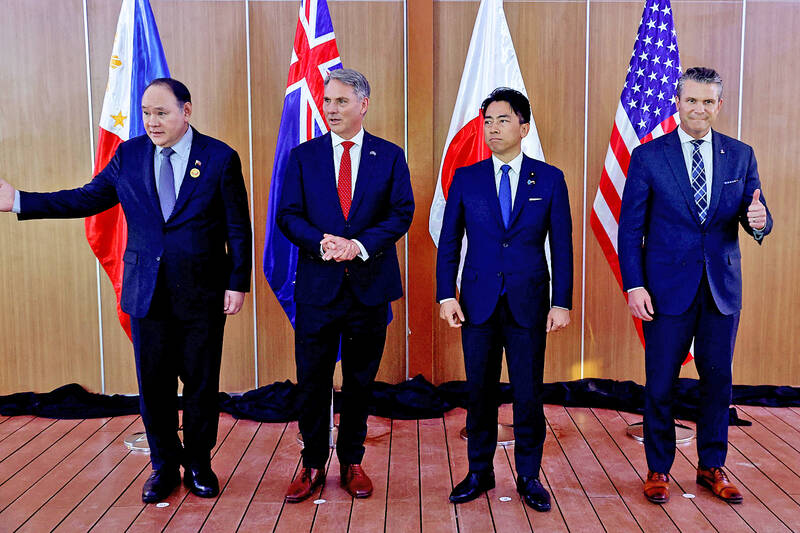
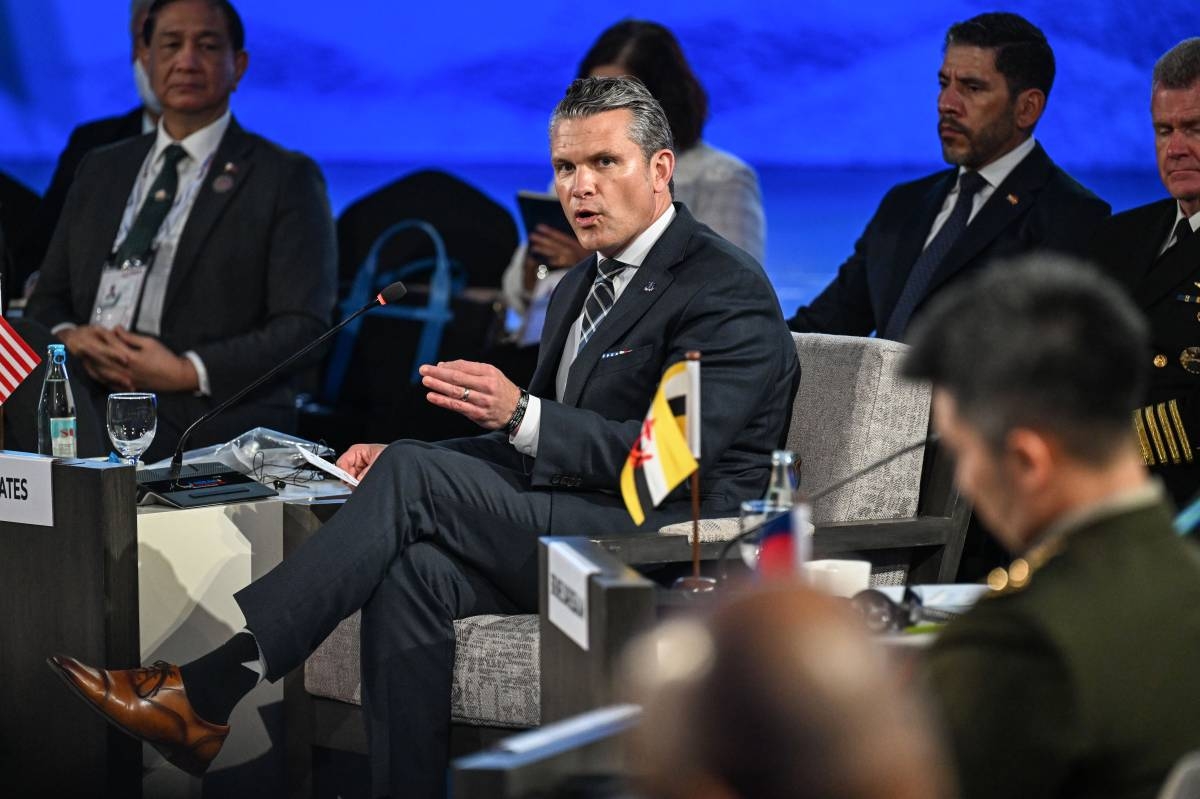
US Defense Secretary Pete Hegseth proposed the creation of an “ambitious” new US-ASEAN Framework for Defense Cooperation on Wednesday, Oct. 28, 2026, during a meeting with defense chiefs in Cebu, Philippines. Hegseth told the leaders of the Association of Southeast Asian Nations (ASEAN) that the framework is designed to help the bloc manage what he described as "critically important" years ahead.
The proposal comes as the United States seeks to boost regional defense partnerships to maintain a “free and open Indo-Pacific” amid increasing Chinese military activity.
A Framework for Pragmatic Cooperation
Hegseth’s approach acknowledges the diverse political systems of the 11 ASEAN member states. He specifically praised the region’s “pragmatism” and “proud nationalism,” noting that the US and ASEAN do not need to agree on every issue to maintain a functional security relationship. Instead, he called for cooperation where shared interests overlap.
While Hegseth did not provide specific details on the framework’s internal mechanics, he emphasized that the US is ready to begin the project. The timing aligns with Singapore’s upcoming transition to the chair of the ASEAN Defense Ministers’ Meeting Plus (ADMM-Plus), a grouping that includes ASEAN members as well as representatives from the US, Japan, China, and Australia.
Central to the proposal is the strengthening of “maritime domain awareness” and advanced cooperation between naval forces. Hegseth argued that these are not merely symbolic gestures but “concrete demonstrations” of a serious partnership. He stated that partners who train, learn, and plan together build the necessary competence to prevent conflict.
The First Island Chain and Munitions Production
The diplomatic efforts in Cebu extended beyond the broad ASEAN framework to specific bilateral security arrangements. On the sidelines of the event, Hegseth met with Japanese Defense Chief Shinjiro Koizumi. The two officials discussed the implementation of an “effective denial defence in the First Island Chain,” referring to the string of islands that lie between China and the open Pacific.
Beyond strategic positioning, the US and Japan committed to “close coordination” regarding the production of munitions.
The Philippines, a US ally, has faced years of confrontations with China over disputed waters. Manila reported this month that China’s military and coast guard presence in contested areas of that waterway nearly doubled in September.
Regional Instability and the Iran War Ripple Effect
The proposal arrives at a moment of vulnerability for Southeast Asian economies. The region is currently grappling with the economic fallout of the Iran war, which began with US and Israeli strikes on Feb. 28. This conflict has disrupted global shipping and oil markets, exposing ASEAN’s susceptibility to imported-fuel shocks and forcing energy security to the top of the bloc’s agenda.
This geopolitical instability creates a complex environment for Hegseth’s proposal. While the US is pushing for deeper defense ties, some regional leaders may be wary of being drawn into a rigid alignment. Greg Poling, director of the Asia Maritime Transparency Initiative, suggested that ASEAN leaders are seeking reassurance of the US commitment to the region. Poling noted that this desire for certainty exists despite political turmoil in Washington and the perceived weakening of US readiness caused by the war in Iran.
The tension is further compounded by the fact that the forum is intended to promote dialogue, yet the host nation, the Philippines, remains in a state of friction with Beijing. The result is a security environment where the desire for a “practical framework” clashes with the immediate reality of territorial disputes and economic shocks.
It remains unclear how China will react to the formalization of this framework or whether the 11 ASEAN members, who often prioritize neutrality, will fully commit to a US-led defense structure. The specific terms of the “ambitious” framework—and whether it includes binding security guarantees or remains a loose cooperative agreement—have yet to be disclosed.
PPT Seeks Injunction to Block Guardian and ITN Sexual Allegations
A well-known individual, identified in court as PPT, is seeking a permanent injunction to stop the Guardian and...

Tommy Robinson Convicted of Harassing Daily Mail Journalists
Far-right activist Tommy Robinson was convicted on Wednesday at Southwark Crown Court of harassing two Daily Mail journalists...
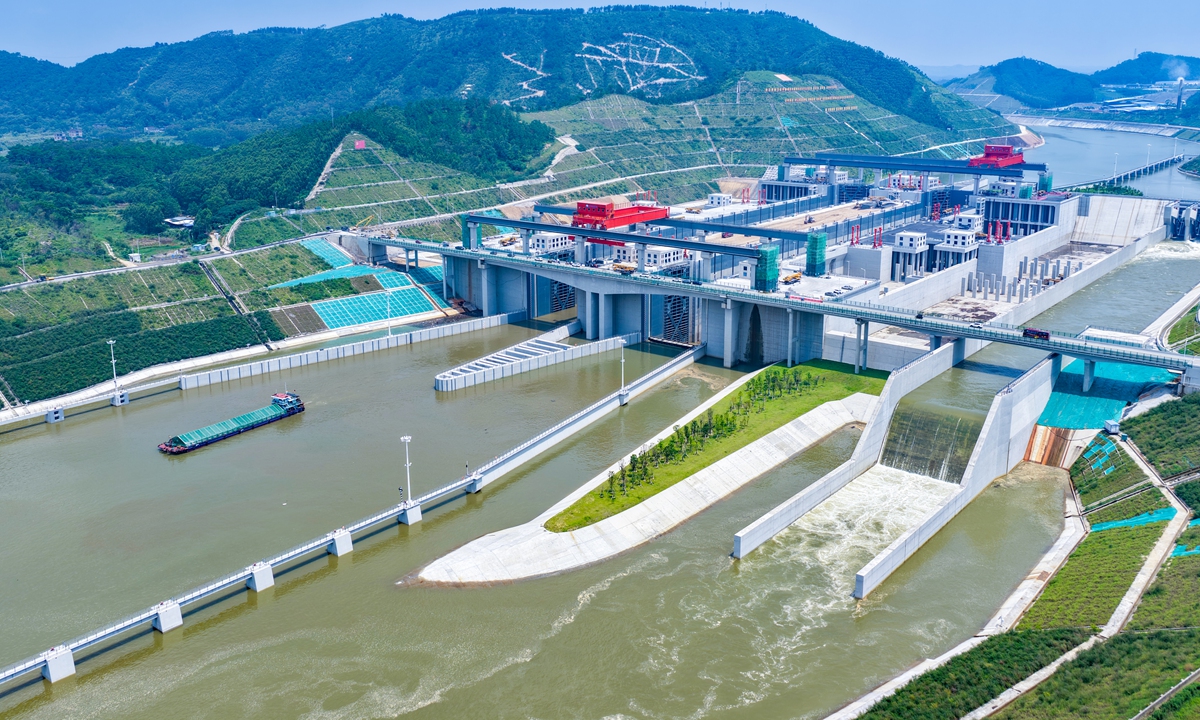
Pinglu Canal Projected to Cut China-ASEAN Logistics Costs by Up to 30%
The Pinglu Canal is projected to slash logistics costs for goods traveling between Southwest China and ASEAN nations...

Netanyahu bloc on track for 53 seats in Israeli election
Benjamin Netanyahu has secured the support of an unexpectedly clear majority of Israeli Jews in an election that...