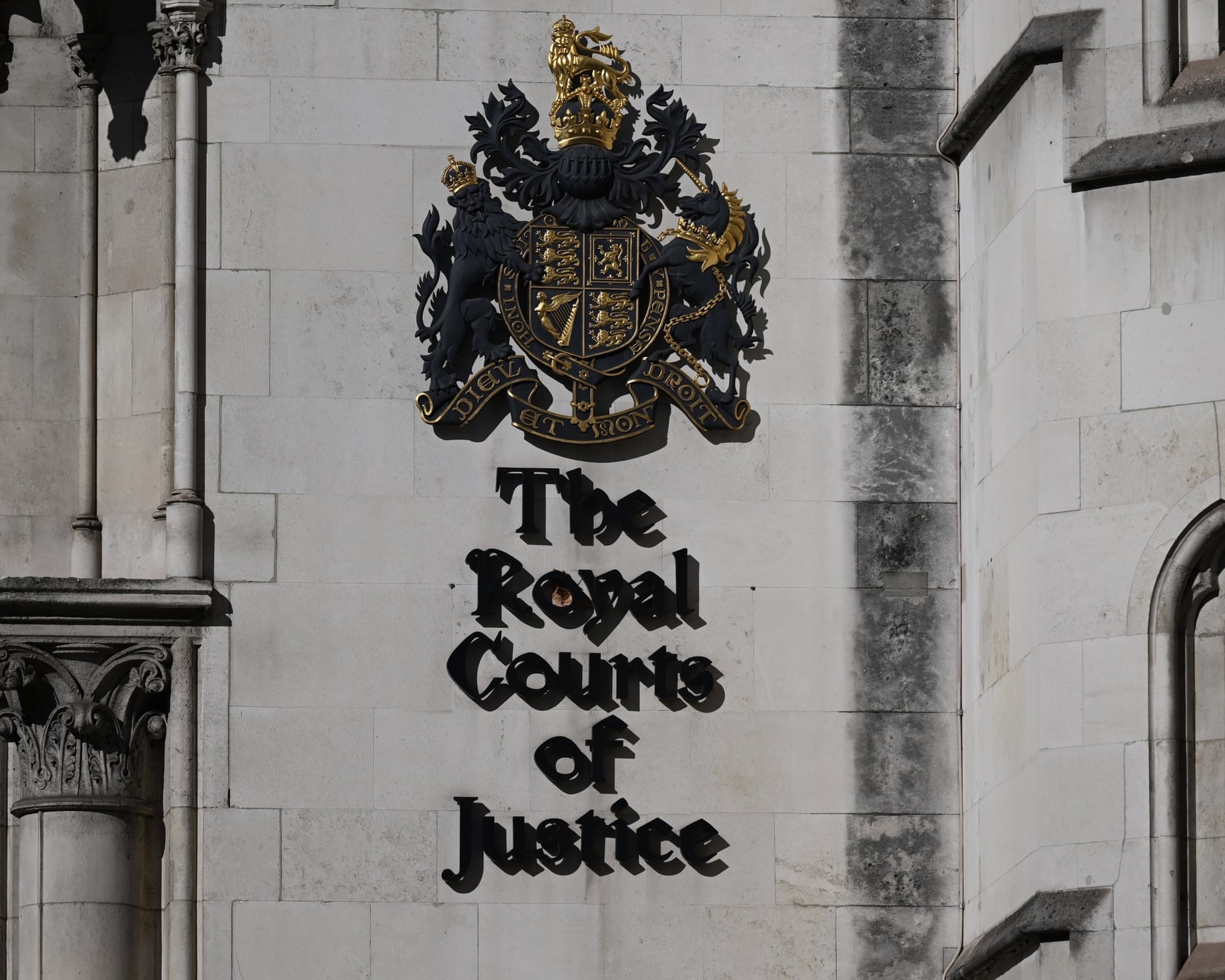
A well-known individual, identified in court as PPT, is seeking a permanent injunction to stop the Guardian and ITN from publishing allegations of exploitative sexual activities. The High Court heard that while PPT denies the claims, publication would likely lead him to commit suicide, pitting the right to life against freedom of expression.
PPT is suing the Guardian and ITN to block a wide-ranging and rigorous investigation into his conduct over several years. The news organizations allege PPT engaged in inappropriate and exploitative sexual behavior with girls and young women. They cite credible evidence of improper conduct toward a large number of women over a prolonged period.
PPT Faces Suicide Risk
PPT’s legal team argues this is a highly exceptional
case. They claim publication would likely result in the claimant’s death.
Sara Mansoori KC, PPT’s lead barrister, stated the individual first attempted to kill himself in May 2026. This happened after he was contacted by the media outlets. He was admitted to a hospital as a voluntary patient that afternoon.
A second attempt occurred in July. During this event, PPT absconded from a secure hospital. He is currently detained in a psychiatric hospital for his own safety. He has stated he has no intention of returning to public life.
His lawyers claim his distress stems from shame arising from deep-rooted childhood trauma and the fear of ‘trial by media’
. They say this is not due to guilt over the denied allegations.
An independent expert assessment provided to the court noted that community arrangements would not suffice to manage the immediate suicide risk. The expert suggested publication while PPT remains in an inpatient psychiatric setting would be safer. However, the report did not say suicide was inevitable or that treatment could eliminate all risk.

Media Outlets Defend Public Interest
The Guardian and ITN argue they must publish information in the public interest. Gavin Millar KC, representing the media outlets, stated the investigation involved speaking to over 100 people. This included 30 who provided first-hand accounts.
Many of the women involved have suffered mental health crises and illness due to PPT’s alleged conduct.
Court documents and judgments. The anonymity order is published on the Judiciary website. The reasons appear in the public judgment PPT v ITN & Guardian [2026] EWHC 2560 (KB). Judge Nicklin’s warning against speculation is covered in today’s reporting by The Guardian and others…
They believe that it is important that their allegations are publicly aired so that other women are protected and the full nature of his conduct is disclosed, and in order to assist the sources to recover from their own experiences.
Written submission from the media groups, via The Guardian
Millar warned that contributors might find other ways to make their stories public if the court blocks publication. The media companies have already extended deadlines and delayed publication to allow PPT to seek an injunction. They argue that proceeding through established news organizations is the best way to manage the release of information.
Human Rights Clash in Court
The case pits several articles of the European Convention on Human Rights (ECHR) against one another. PPT cites the right to life (Article 2), the prohibition of inhuman or degrading treatment (Article 3), and the right to respect for private and family life (Article 8). The news organizations cite Article 10, which protects freedom of expression.
The media outlets argue that the European Court of Human Rights has never required a state to prevent journalism to protect an individual from suicide. They contend the state’s duty to PPT should be fulfilled through NHS mental health professionals and the Mental Health Act. They argue this should happen rather than through the restraint of publication.
Judge Considers Final Ruling
Mr Justice Nicklin, the judge overseeing the case, has granted anonymity to PPT and several other individuals. This includes a third journalistic source who alleged she was the victim of a sexual offence by PPT. Two other sources who agreed to be identified in the reports were also granted anonymity during these proceedings.
The judge cautioned against online speculation. He noted that several different individuals have already been incorrectly named.
The trial has concluded. Mr Justice Nicklin has retired to deliver a ruling on whether the media outlets will be permanently prevented from naming PPT and publishing the allegations.
It would be a travesty if the court didn’t step in to act in these circumstances.
Sara Mansoori KC, lead barrister for PPT
Worth a look
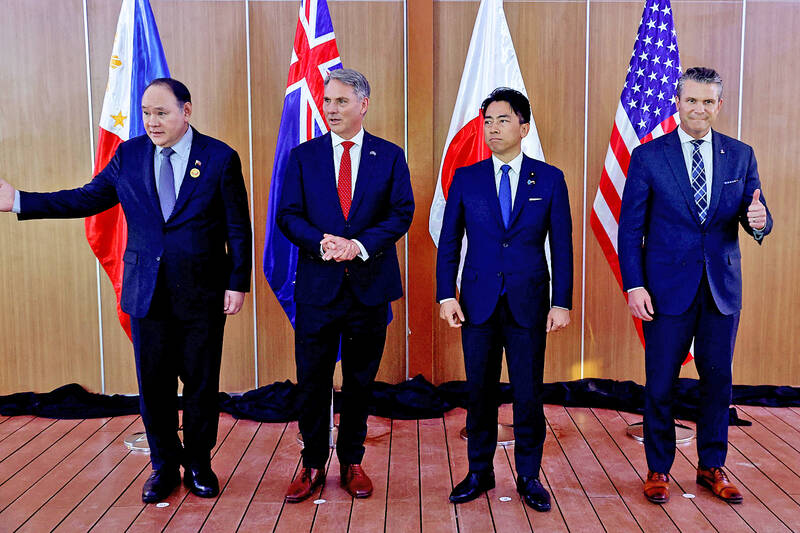
US Defense Secretary Pete Hegseth Proposes New US-ASEAN Defense Framework
US Defense Secretary Pete Hegseth proposed the creation of an "ambitious" new US-ASEAN Framework for Defense Cooperation on...

Tommy Robinson Convicted of Harassing Daily Mail Journalists
Far-right activist Tommy Robinson was convicted on Wednesday at Southwark Crown Court of harassing two Daily Mail journalists...

Pinglu Canal Projected to Cut China-ASEAN Logistics Costs by Up to 30%
The Pinglu Canal is projected to slash logistics costs for goods traveling between Southwest China and ASEAN nations...

Netanyahu bloc on track for 53 seats in Israeli election
Benjamin Netanyahu has secured the support of an unexpectedly clear majority of Israeli Jews in an election that...