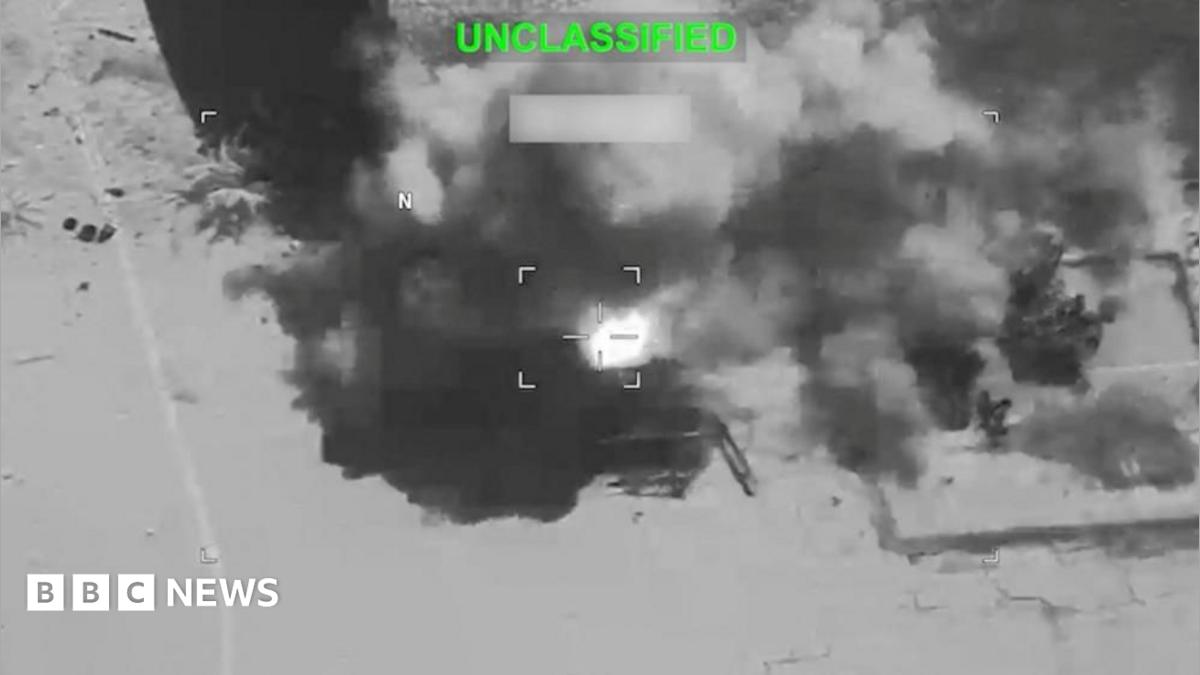
The United States has launched strikes on Iran for the 11th consecutive night as President Donald Trump threatens to target an underground nuclear site near Natanz. While the administration weighs a potential return to full-scale conflict, the current military campaign focuses on degrading Iran’s ability to threaten commercial shipping in the Strait of Hormuz.
Military Strikes and Strategic Targets in Iran
The U.S. Central Command (Centcom) confirmed the continuation of a sustained air campaign, stating the operations are designed to continue degrading Iran’s ability to threaten commercial shipping in the Strait of Hormuz. These strikes have systematically targeted Iranian military operations centers, maritime capabilities, aircraft hangars, drone storage facilities, and military logistics infrastructure. Centcom has further accused Iran of attacking more than 30 commercial vessels
passing through the Strait of Hormuz over the past three months. The unwarranted attacks have endangered hundreds of innocent mariners and undermined freedom of navigation,
the command said, while emphasizing that the waterway remained open for commercial vessel transit.
Iranian state media reported the activation of air defenses in Tehran, with explosions also confirmed in the north-western city of Tabriz, the south-eastern ports of Chabahar and Konarak, and near the southern city of Bushehr, home to Iran’s only nuclear power plant. The intensity of the conflict has had immediate economic consequences; the price of oil climbed to $94 per barrel on Wednesday in response to the escalation.
Trump’s Threats Toward Pickaxe Mountain
The administration’s rhetoric has shifted toward Iran’s nuclear infrastructure, with Donald Trump explicitly warning that the U.S. would soon strike an underground site near Natanz. The president specifically identified Pickaxe Mountain—an underground facility where Iran is suspected of building an undeclared enrichment facility—as a target. We'll be hitting that area pretty soon, and very heavily,
Trump said. He added that he would not normally announce targets, but remarked that there's not a thing they can do about it.
In response, Iran’s Khatam Al-Anbiya military command warned that it would consider such an attack as an expansion of war in the region.
The command further threatened strikes on all the interests of America, the allies and supporters,
according to the state-run broadcaster IRIB. The impact of these hostilities is already visible in the Gulf, where Kuwait’s army reported that its air defenses were engaging with Iranian drone attacks in the early hours of Wednesday, while Bahrain and Jordan said they had also intercepted drone and missile strikes.
For more on this story, see US and Iran Exchange Military Strikes.
Diplomatic Strains and the Cost of Conflict
The current volatility follows the collapse of a brief ceasefire. Although Iran and the US signed a Memorandum of Understanding in June intended to halt military operations and reopen the Strait of Hormuz, the agreement mandated an end to the war over the following 60 days. However, three weeks after it was signed, Trump declared the ceasefire “over” following Iranian attacks on ships in the Strait and subsequent US strikes. An earlier ceasefire agreement in April had also failed to prevent the resumption of hostilities last week as both countries battled over control of the waterway.
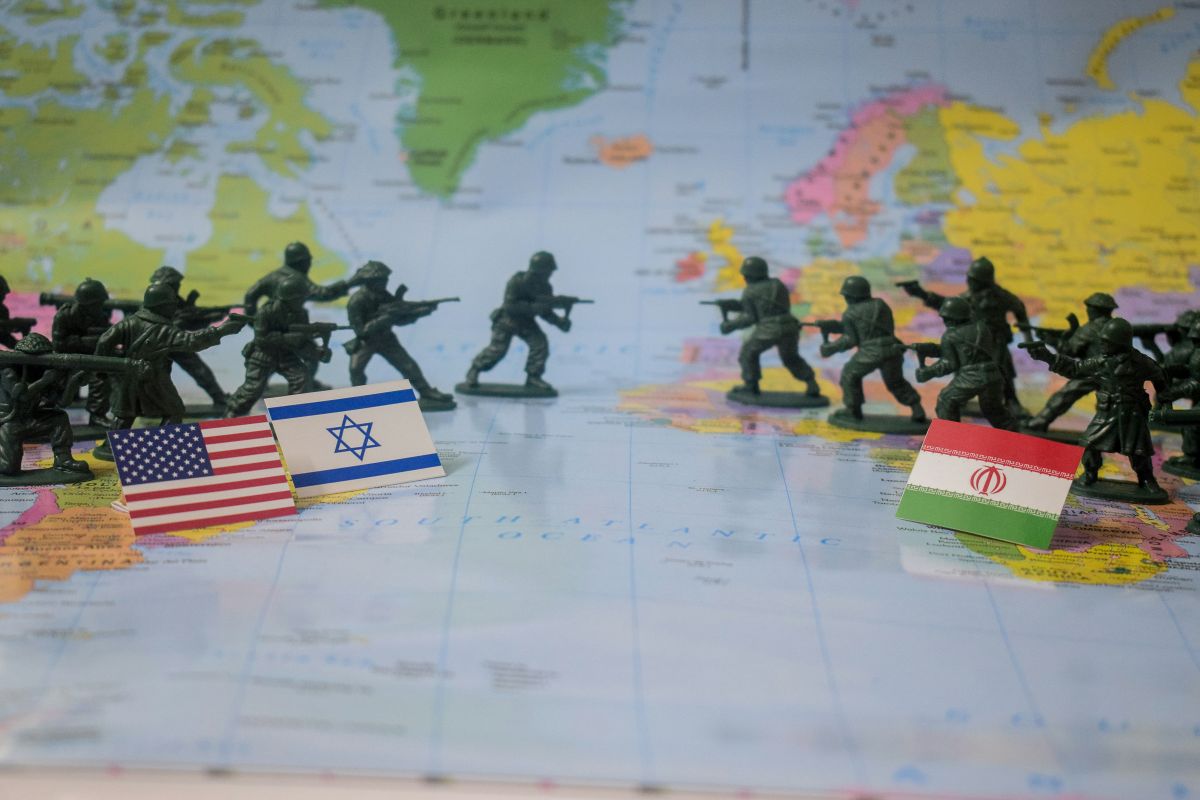
Internal deliberations within the White House remain fluid. President Trump has held talks with Defense Secretary Pete Hegseth and Chairman of the Joint Chiefs of Staff Gen. Dan Caine regarding the possibility of further attacks. According to officials familiar with the discussions, the talks have centered on whether the US should abandon negotiations and resume full-scale attacks on Iran, with some officials describing that option as finishing the job.
While Trump has not made a final decision, aides say he believes another round of strikes could derail diplomacy and damage Washington’s chances of ultimately dismantling Iran’s nuclear program.
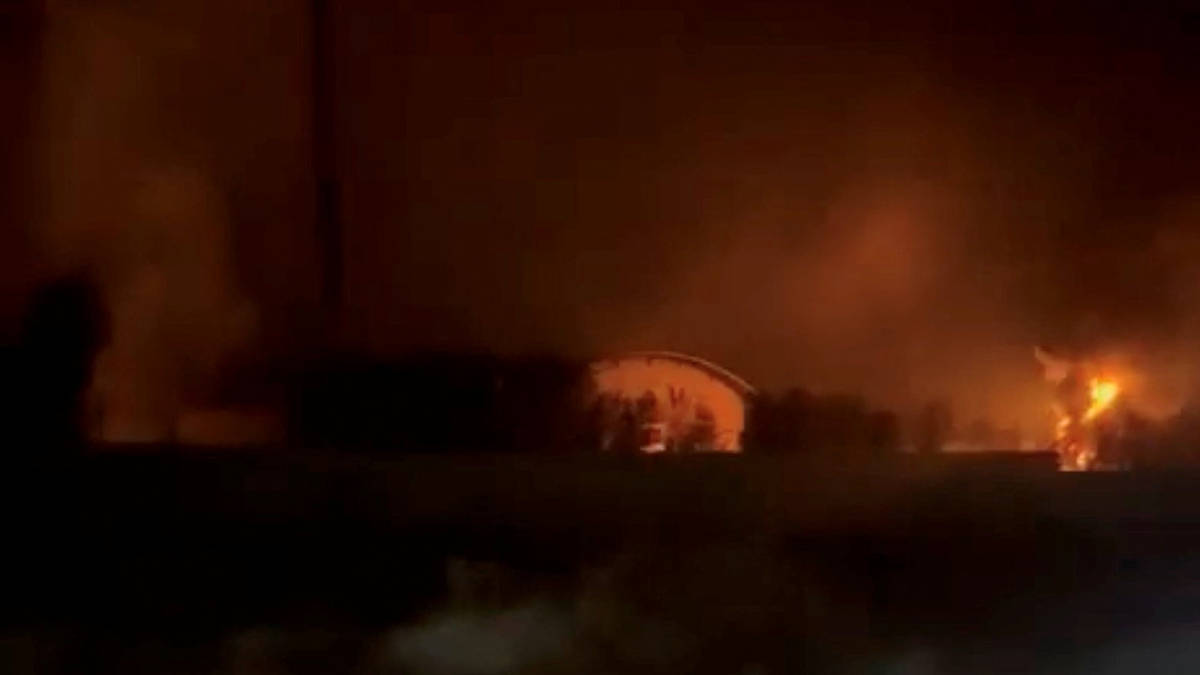
The financial toll of the campaign is mounting. Defense Secretary Pete Hegseth revealed that the conflict has cost the United States approximately $37.5 billion (£28 billion) to date—an increase of nearly $8 billion since the last estimate in May. Despite the intensity of the air strikes, U.S. Secretary of State Marco Rubio noted that Washington remains willing to engage in diplomacy with Tehran, though he added that he did not believe Iran was serious about talks. Reuters has reported that Iran said it would not meet U.S. envoys, further clouding the prospects for a peace deal as the administration continues to weigh its next move.
Keep reading
Canada Seeks Unique EU Alliance Amid US Trade War
Canadian Prime Minister Mark Carney addressed reporters in Toronto on Sunday, outlining a new diplomatic and economic direction...

Israeli Attacks in Gaza Kill Pregnant Woman and 10 Others
A pregnant Palestinian woman was shot and killed by Israeli forces in southern Gaza as artillery shelling and...
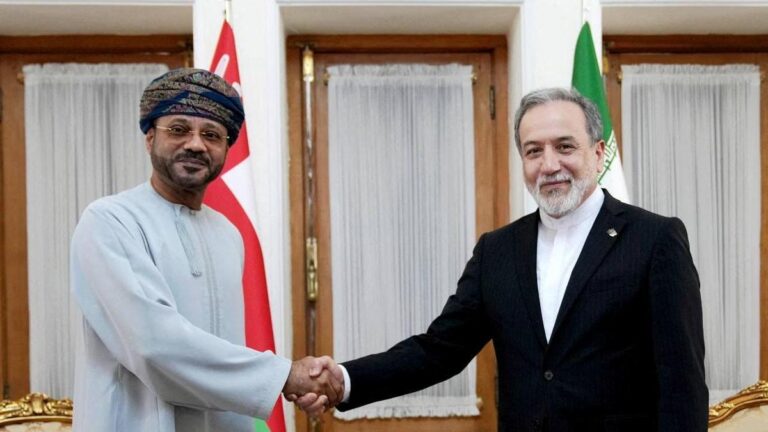
Iran and Gulf Nations Postpone Oman Talks Over Regional Consensus
The delay comes as oil prices fluctuate, U.S. economic sanctions expand, and military tensions in the region escalate...
After Louvre Heist, Robberies Continue at French Museums
Following a dramatic daytime heist at the Louvre, a string of break-ins has struck museums and churches across...