
South Carolina Toss-Up Poses a Test for the GOP Ahead of Election Night
On Thursday, President Donald Trump traveled to South Carolina to campaign alongside Sen. Darline Graham, highlighting a state that James Davis has labeled an “absolute win” for Republicans despite unexpected competitiveness. As reported by The National News Desk, voter turnout will ultimately decide the balance of power as Democrats look to bridge a narrow gap in Congress. With control of both the House and Senate hanging in the balance, the races across the country underscore a volatile political landscape where historical midterm trends collide with localized candidate strength.
Historically, the party occupying the White House routinely sheds seats during midterm elections. Davis noted that 20 House seats remain toss-ups, leaving Democrats needing a net gain of four seats to capture the majority. Yet, in South Carolina, the dynamic has tightened beyond initial expectations. Davis pointed to a candidate who is somewhat untested and lacking the seasoned arena presence found in other battlegrounds, opening a window of hope for local Democrats.
We have a candidate there that is a little untested and not as strong in the political arena as you would see in other states. And so it’s made the race a little bit more competitive and given Democrats a hope there in South Carolina. — James Davis, Touchdown Strategies
Ideological Friction and State Legislative Stakes
Beyond the headline-grabbing federal contests, ideological friction within the Democratic Party has complicated their path forward in competitive districts. In Florida, Democratic Socialist candidate Angie Nixon’s presence on the ballot has triggered internal debates among party strategists. Davis explained that progressive messaging often fails to resonate in fiercely contested general elections, creating a strategic dilemma for a party trying to appeal to both base activists and moderate voters.
A similar friction plays out in Michigan, where progressive candidate Abdul El-Sayed has galvanized enthusiasm among the party’s left flank. Despite the localized excitement, the general election outlook remains deeply competitive and fraught with difficulty. Davis suggested that Democrats would have been better off fielding moderate candidates.
These ideological battles ripple far down the ballot. With 83% of state legislatures up for election or actively in cycle, the stakes extend well beyond Washington. Statehouses remain the primary engine room for American public policy, meaning legislative losses or gains at the state level will shape everything from tax codes to civil rights for years to come.
Presidential Approval and Polling Discrepancies
As election night approaches, President Donald Trump’s approval rating sits at 32% according to recent polling data. However, strategists caution against taking headline polling numbers at face value. Drawing on patterns from recent election cycles, Davis predicted that standard polls continue to undercount Republican voters due to the unique dynamics surrounding the president’s popularity.
Whether those uncounted voters materialize at the ballot box will determine not just the fate of Sen. Graham’s seat in South Carolina, but the entire congressional majority. With campaigns entering their final stretch, the margin for error remains razor-thin for both parties.
Related reading

Whatcom County Businesses Hit by $64M Loss as Canadian Shoppers Stay Away
Border Towns Count the Cost as Cross-Border Shopping Plummets Whatcom County businesses along the U.S.–Canada border lost an...

Wyoming Area visits Pittston Area in week 10 rivalry football game
Wyoming Area Visits Pittston Area in Week 10 Rivalry Clash Some rivalries need no introduction, and Friday night...

Milwaukee Gears Up for Brewers World Series Championship Parade
Downtown Milwaukee Prepares for the Brewers World Series Parade The Milwaukee Brewers secured their World Series victory against...
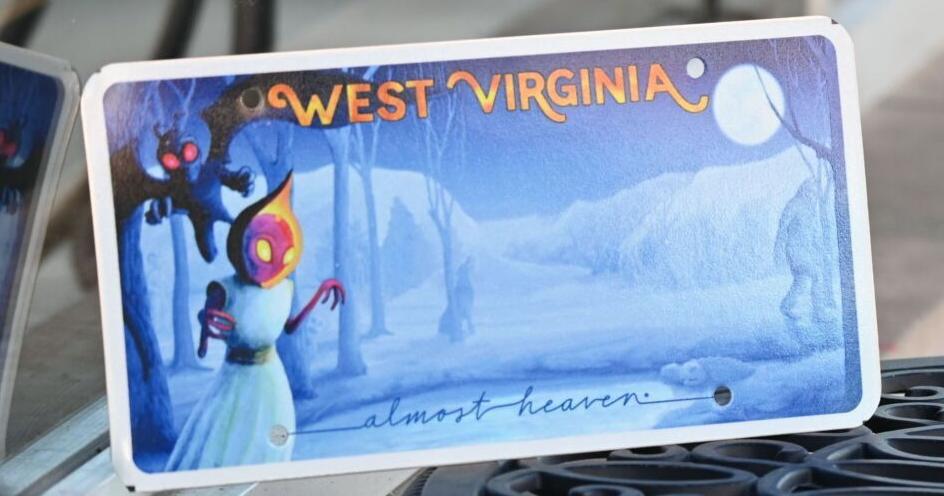
West Virginia Unveils New License Plate Featuring State Cryptids
“Now, contrary to popular belief, the DMV does have a sense of humor!” West Virginia Division of Motor...