Utah Lawmakers and Water Leaders Hold High-Stakes Colorado River War Games on Capitol Hill
State and federal political leaders, water managers, and agricultural representatives gathered behind closed doors on Utah’s Capitol Hill for a “war games” exercise focused on the Colorado River. Organized by Utah State University’s Center for Anticipatory Intelligence and the Institute for Land, Water & Air, the Thursday session brought together influential stakeholders to work through scenarios as demand across the American West continues to outpace available supply.
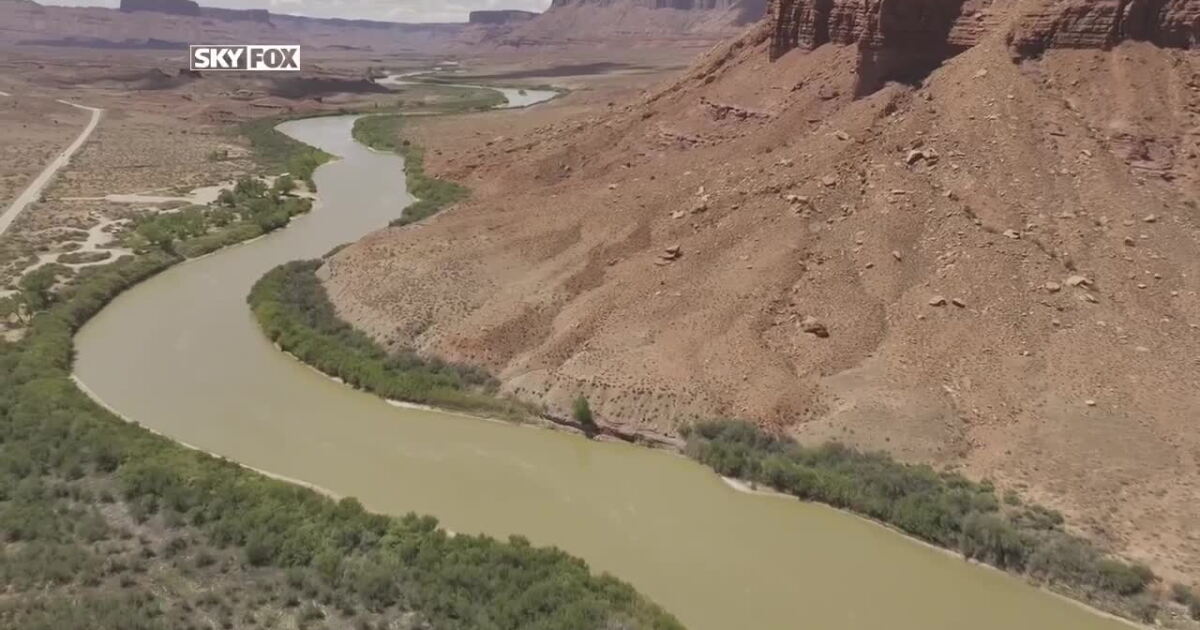
The Colorado River supplies water to more than 40 million across the American West. With states along the river unable to reach an agreement to manage it, the U.S. Department of Interior is running things for now. They’ve ordered water released from Flaming Gorge to prop up Lake Powell, cuts in the amount of water allocated to some states, demanded more conservation from others and some of their decisions have sparked a lawsuit.
Simulating Crisis Scenarios Under the Chatham House Rule
To bypass political gridlock, organizers invoked the Chatham House Rule, where conversations and opinions expressed are unattributed to specific people. While reporters were barred from the conference room, participating officials confirmed the exercise considered a whole gamut of ideas like piping water into Utah, desalination exchanges with other states, expanded conservation measures and water re-use. Jeannie Johnson, the director of USU’s Center for Anticipatory Intelligence, noted that because these conversations are so politically charged, it’s often really difficult to have the conversation at all. By using crisis simulation techniques typically done in national security scenarios, organizers aimed to build agility and speed in making decisions.
Congresswoman Celeste Maloy, whose congressional district includes the Colorado River, told FOX 13 News that as someone who is going to have to be voting on these issues, it was really good to hear from the different stakeholder groups regarding what they’re saying, where they’re willing to compromise, and where they’re not willing to compromise.
Anna McEntire, the director of USU’s Janet Quinney Lawson Institute for Land, Water & Air, said the Colorado River certainly could be considered a national security issue. Rep. Scott Chew, R-Jensen, who heads the Colorado River Caucus in the Utah State Legislature, noted that they were all given scenarios to work through and it was a good thought process.
Bridging Divides Across Sectors
Grand County Commissioner Brian Martinez told FOX 13 News that watching various factions throw support behind ideas outside their traditional platforms signaled a promising shift. Zach Renstrom, the general manager of the Washington County Water Conservancy District, which serves communities that rely on Colorado River system water, underscored the central dilemma facing the state, asking how to deal with the future and less water in the river. For Spencer Gibbons, the CEO of the Utah Farm Bureau, and Jordan Nielson, the CEO of Great Salt Lake Rising, the primary value lay in establishing direct working relationships.

The practical impacts of those connections are already materializing. Congressman Blake Moore told FOX 13 News that the war games event has already prompted him to have a conversation with one of his California colleagues in the House of Representatives to talk to them.

Whatcom County Businesses Hit by $64M Loss as Canadian Shoppers Stay Away
Border Towns Count the Cost as Cross-Border Shopping Plummets Whatcom County businesses along the U.S.–Canada border lost an...

Wyoming Area visits Pittston Area in week 10 rivalry football game
Wyoming Area Visits Pittston Area in Week 10 Rivalry Clash Some rivalries need no introduction, and Friday night...

Milwaukee Gears Up for Brewers World Series Championship Parade
Downtown Milwaukee Prepares for the Brewers World Series Parade The Milwaukee Brewers secured their World Series victory against...
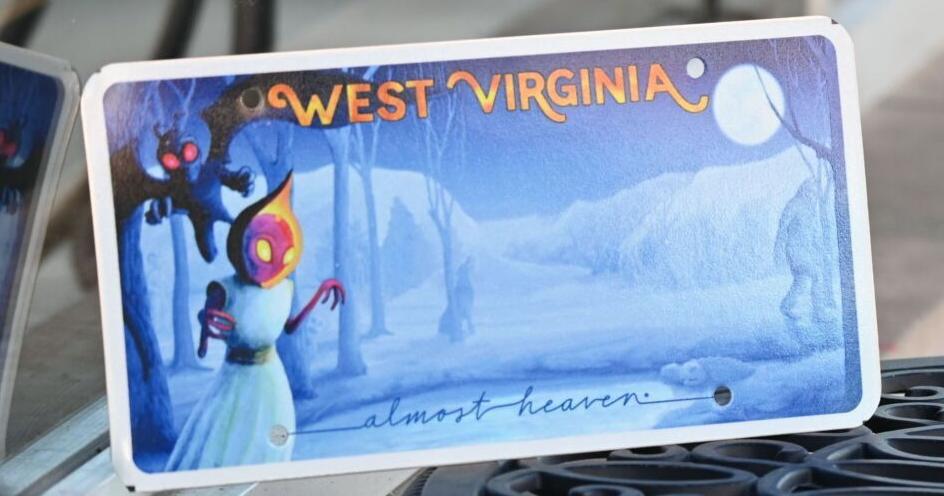
West Virginia Unveils New License Plate Featuring State Cryptids
“Now, contrary to popular belief, the DMV does have a sense of humor!” West Virginia Division of Motor...