
“All of the issues relating to operating in Afghanistan are because of how other countries perceive Afghanistan, not actually what it’s like to operate there,” says Emma Conyngham, founder of Waste Free Celebrations, capturing the reality of running a business across Auckland and Kabul.
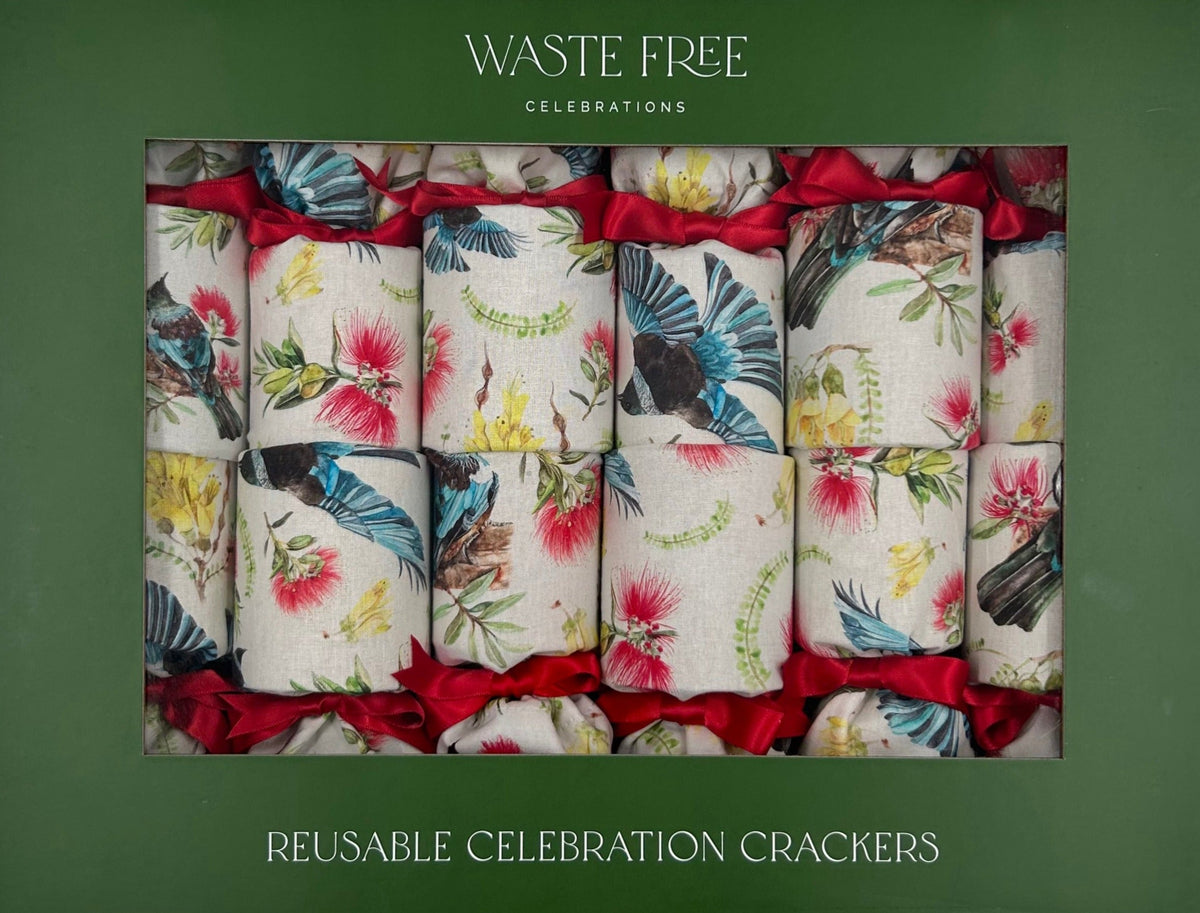
What began in 2020 as a home-sewing project in Wānaka making reusable Christmas crackers, fabric gift bags, and wrapping cloths for Hanukkah and Diwali has morphed into a cross-continental export business. But as reported, scaling the operation to a production factory in Kabul has exposed Conyngham and her business partner, Rahila Sayed, to a labyrinth of geopolitical hurdles, soaring logistics costs, and bizarre near-catastrophes that threaten to derail the enterprise entirely.
The Ballooning Costs of Air Freight and Closed Borders
The core vulnerability of the Kabul facility is not the Taliban administration, but rather the tangled web of regional blockades and transport shutdowns. With access to Karachi port cut off, containers can no longer move by sea out of Karachi port. Conyngham’s company has been forced to absorb crushing air freight expenses to ship goods to the US.
Financial records highlight the unsustainable trajectory: this year’s air freight bill skyrocketed to $287,250. Compounding these overheads are arbitrary border interventions. Earlier this year, a shipment air-freighted to the US was intercepted by Customs and Border Protection at JFK Airport in New York, which charged US$13,000 ($23,000) just to release the container. Meanwhile, 70,000 brand labels printed in China were destroyed because Pakistan demanded an $8,900 release fee that exceeded the total value of the tags.
From Trade Disputes to False Terrorism Accusations
Operating remotely across time zones and fractured banking systems breeds unique friction. When a Pakistani supplier delivered 5km of cotton fabric so poorly printed that it was entirely unusable, Conyngham demanded a refund. In retaliation, the defensive mill owner filed a report with the Taliban claiming Conyngham and Sayed were ISIS operatives.
Sayed discovered the accusation in Kabul when an export shipment code failed in an online portal. Yet the psychological toll remains heavy, with Conyngham noting that the memory still leaves her hands shaking.
Bureaucratic Red Tape and Infrastructure Deficits in Kabul
Inside the rented mansion serving as the factory, basic municipal infrastructure is largely absent. Power cuts leave sewing machines and water pumps dead for most of the day, forcing reliance on solar panels that frequently overheat. When the electric water pump failed, local boys were paid to haul containers of water up the stairs.
External bureaucracy proves equally punishing. The company employs 34 women—mostly widows or those whose husbands are disabled or unable to work because of an association with the previous Western-backed Afghan Republic—through congested Kabul traffic. Officials across various departments require physical documents to be manually stamped and signed in person, subjecting Sayed to endless administrative hurdles.
Further compounding the operational crisis, the land housing the factory has been requisitioned by the government administration, so Sayed urgently needs to find new premises.
Afghan Women Face Severe Restrictions and Uncertain Geopolitical Futures
Despite the punishing environment, Afghan women cannot attend university or work in professional roles. Those with financial means can fund private schooling or digital classes, yet formal certification acknowledging their studies is never issued.
For Conyngham, the path forward hinges entirely on geopolitical shifts. If border policies normalize and access to Karachi can be regained, shipping expenses will drop back to sustainable levels. Until then, the company continues to absorb the collateral damage of regional conflicts while sustaining employment for women who otherwise face severe economic exclusion.

Aer Lingus Flight Diverted to French Base After Bomb Threat
Bomb Threats Target Irish Broadcasters An Aer Lingus flight traveling from Dublin was forced to divert to a...
Trump appoints Stephen Miller as White House chief of staff
Trump Elevates Stephen Miller to White House Chief of Staff Following Midterm Losses President Donald Trump has appointed...

President Prabowo Welcomes 11 New Foreign Ambassadors to Strengthen Bilateral Ties
President Prabowo Subianto Formalizes Ties with 11 Nations at Merdeka Palace President Prabowo Subianto officially received the credentials...

Man Charged with Murder of Missing Limerick Mother Carrie Mullane
Man charged with murder following disappearance of Limerish mother A 35-year-old man has been charged with the murder...